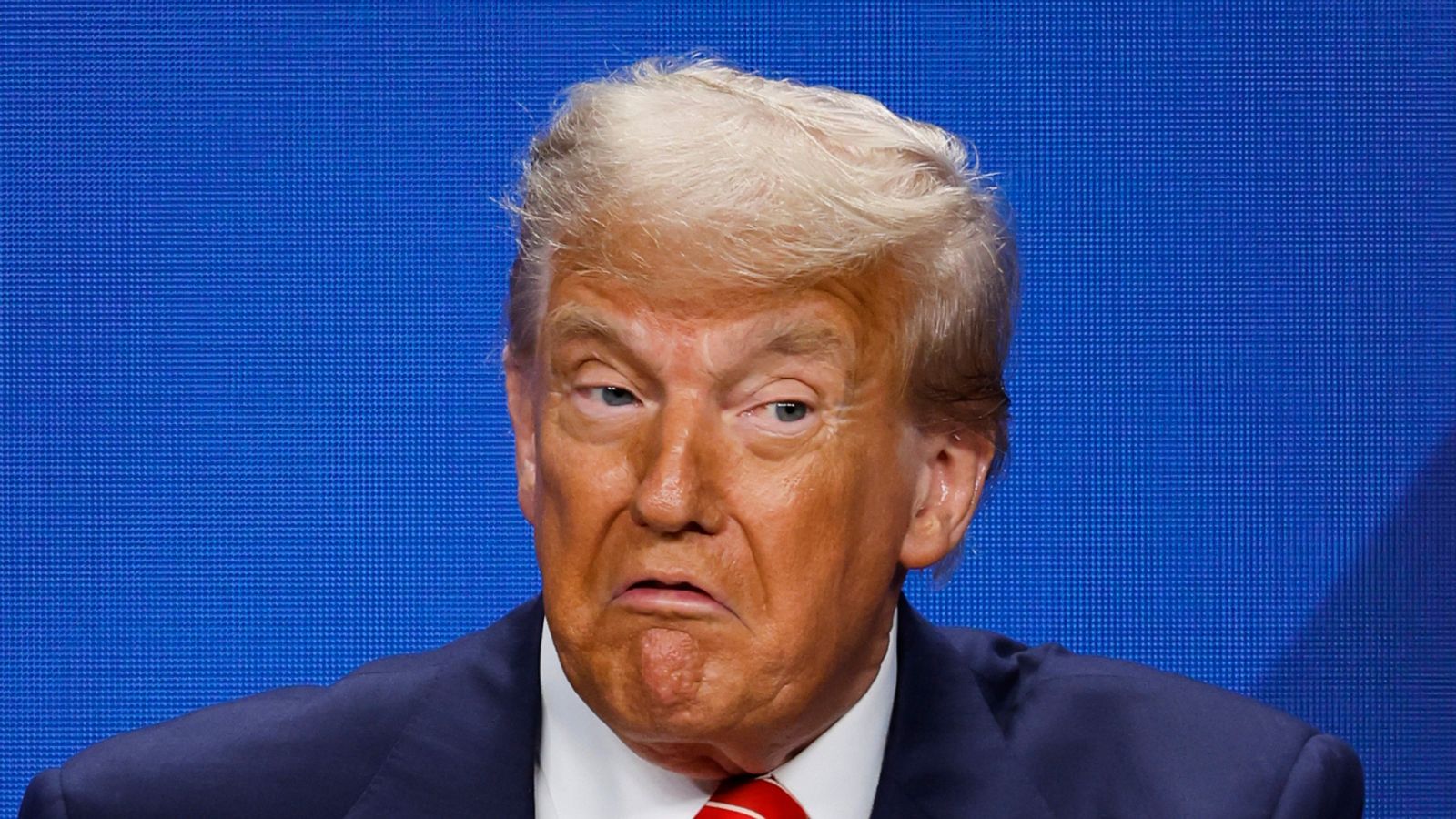
President Trump has escalated his public criticism of Federal Reserve Chair Jay Powell, calling him "stupid" and stating he has "three or four" potential successors in mind, despite Powell's term extending to May next year. This renewed pressure stems from Trump's demand for interest rate cuts to stimulate economic growth, contrasting with Powell's concerns about trade war-induced inflation. The ongoing political interference in monetary policy raises significant questions about the Federal Reserve's independence and could introduce considerable market uncertainty regarding future rate decisions and economic stability.
The public and escalating conflict between the US President and the Federal Reserve Chair introduces significant uncertainty into the monetary policy outlook. President Trump's explicit labeling of Jay Powell as "stupid" and his statement that he is considering "three or four" successors—despite Powell's term running until May of next year—represents a direct challenge to the central bank's independence. This political pressure is aimed at forcing interest rate cuts to stimulate an economy that slowed sharply in the first quarter. Conversely, the Federal Reserve, under Powell, is maintaining a cautious stance, citing the inflationary risks posed by the administration's own tariff policies. While official inflation figures have yet to show a marked increase, Powell's recent congressional testimony reiterated that higher tariffs could fuel inflation this summer. This divergence creates a precarious situation where future monetary policy may be influenced as much by political maneuvering as by economic data, a dynamic that has previously unsettled financial markets and elevates the risk of a policy error.
AI-powered research, real-time alerts, and portfolio analytics for institutional investors.
Overall Sentiment
strongly negative
Sentiment Score
-0.70
