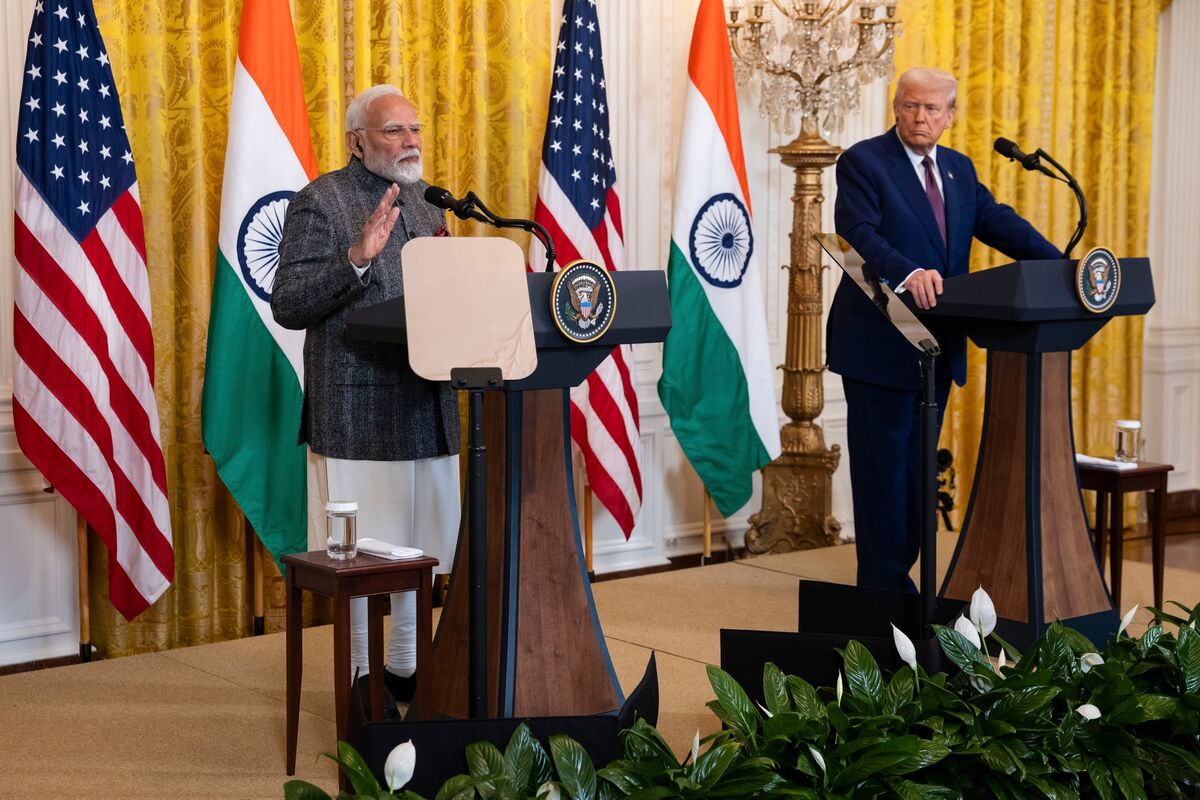
India's Commerce Minister Piyush Goyal is set to press US trade negotiators this week for eased access for skilled workers, particularly IT professionals, following recent H-1B visa restrictions. This initiative underscores India's focus on labor mobility within broader trade discussions, a critical factor for Indian IT service providers and their operational models in the US market.
Indian officials are set to formally request eased access for skilled professionals in upcoming trade negotiations with the United States, a direct diplomatic response to the recent announcement of H-1B visa restrictions. The talks, led by India's Commerce Minister Piyush Goyal, will specifically address the movement of IT workers, underscoring the critical importance of labor mobility to India's technology services sector. This development positions a key pillar of the Indian IT industry's business model—the deployment of skilled labor to the US—as a central point of contention in broader trade discussions. The outcome is uncertain, but the negotiations introduce a significant variable for the operational and financial outlook of Indian IT firms, whose access to the US talent market is now subject to high-level political bargaining.
AI-powered research, real-time alerts, and portfolio analytics for institutional investors.
Request DemoOverall Sentiment
neutral
Sentiment Score
0.00
