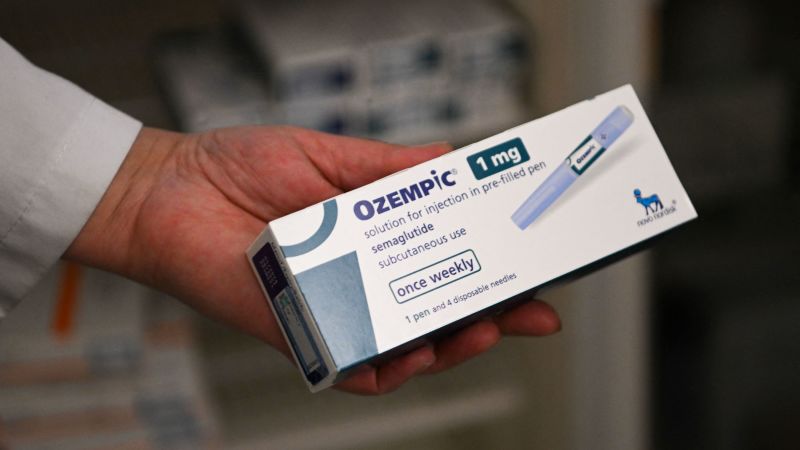
Former President Trump's recent comments suggesting GLP-1 drug prices could be reduced to $150/month under a "Most Favored Nation" framework immediately triggered a significant market reaction, causing Novo Nordisk and Eli Lilly's market values to drop by tens of billions. Despite the potential for increased patient access, the Centers for Medicare and Medicaid Administrator quickly clarified that no such negotiations are finalized, and financial analysts largely dismiss the remarks as aggressive posturing, noting that previous MFN deals have not resulted in sweeping price cuts for widely used, high-revenue drugs.
Former President Trump's suggestion of reducing GLP-1 drug prices to $150 per month, leveraging a "Most Favored Nation" framework, immediately triggered a significant market reaction. Stocks of Novo Nordisk (NVO) and Eli Lilly (LLY), key GLP-1 manufacturers, each fell approximately 4% in after-hours trading, resulting in tens of billions of dollars in market value erosion. This sharp decline reflects investor concern over potential revenue impacts for these high-growth pharmaceutical companies.
Despite the dramatic market response, the Centers for Medicare and Medicaid Administrator clarified that no such price negotiations are finalized, indicating Trump's comments were premature. Analysts, including Evan Seigerman of BMO Capital Markets, characterized the remarks as "aggressive posturing amidst negotiations," highlighting the historical context where previous MFN deals with companies like Pfizer (PFE) and AstraZeneca (AZN) did not lead to sweeping price cuts for widely used, high-revenue drugs. The current US pricing for GLP-1s, such as Ozempic, is notably higher (e.g., 10x France), making a $150 target a substantial reduction.
While a $150 monthly price point would significantly enhance patient access, addressing the primary barrier of cost for millions of Americans, its feasibility remains highly uncertain. Experts question whether such a drastic reduction would materialize, especially given the ongoing Medicare negotiations under the Inflation Reduction Act. The market's initial reaction, driven by uncertainty and the potential for regulatory intervention, underscores the sensitivity of pharmaceutical valuations to drug pricing policy discussions.
AI-powered research, real-time alerts, and portfolio analytics for institutional investors.
Request DemoOverall Sentiment
moderately negative
Sentiment Score
-0.60
Ticker Sentiment
