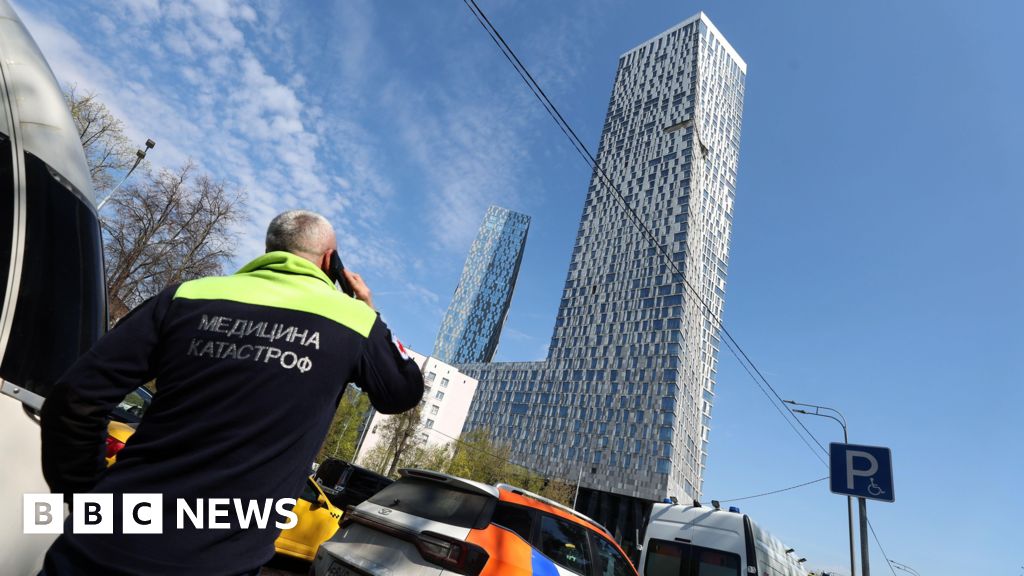
A Ukrainian drone struck a residential high-rise in Moscow with no casualties, while Russian authorities said 117 drones were intercepted across multiple regions and airports including Vnukovo and Domodedovo were temporarily suspended. The attack comes days before Russia's scaled-back 9 May Victory Day parade, underscoring elevated security risks in Moscow and broader wartime escalation. Ukraine also reported continued Russian strikes, including a missile attack near Kharkiv that killed 4 people and injured 18.
The immediate market read-through is not about damage severity; it is about regime change in perceived rear-area security. Repeated drone pressure on Moscow, especially around a symbolic state event, raises the odds of broader domestic disruption measures that hit civil aviation, telecom usage, and consumer mobility well beyond the capital. That tends to be a short-horizon negative for Russian transport, retail, and leisure activity, while also increasing the probability of opportunistic military escalation that keeps geopolitical risk premium elevated for weeks rather than days. The bigger second-order effect is on logistics and energy security. If Ukraine can force more airport shutdowns and communications restrictions, Russian authorities will need to allocate more air-defense inventory and manpower to point defense, which can reduce coverage of refinery, port, and rail infrastructure farther from Moscow. That matters because the campaign against fuel and export assets is more economically leverageable than headline strikes in the capital; even a modest rise in successful hits can tighten refined-product availability and complicate domestic distribution, with downstream pressure on Russian diesel exports and shadow-fleet operations over the next 1-3 months. Contrarianly, the near-term move may be overstated if investors assume every strike in Moscow translates into material military or economic attrition. Russia can absorb intermittent capital disruption and often responds with information controls rather than structural changes; the real bull case for Ukraine’s drone strategy is cumulative, not episodic. The key trigger to watch is whether this forces a persistent expansion of air-defense deployment around Moscow and away from energy assets, which would be a meaningful operational win for Ukraine even if the visible strikes remain rare. The clean trade is to express higher geopolitical tail risk through transport/aviation exposure in the region and through an energy disruption hedge, rather than trying to fade the event itself. Timing matters: the best risk/reward is in the next 1-4 weeks while security measures and parade-related restrictions are still in place, not after headlines fade.
AI-powered research, real-time alerts, and portfolio analytics for institutional investors.
Request a DemoOverall Sentiment
moderately negative
Sentiment Score
-0.45
