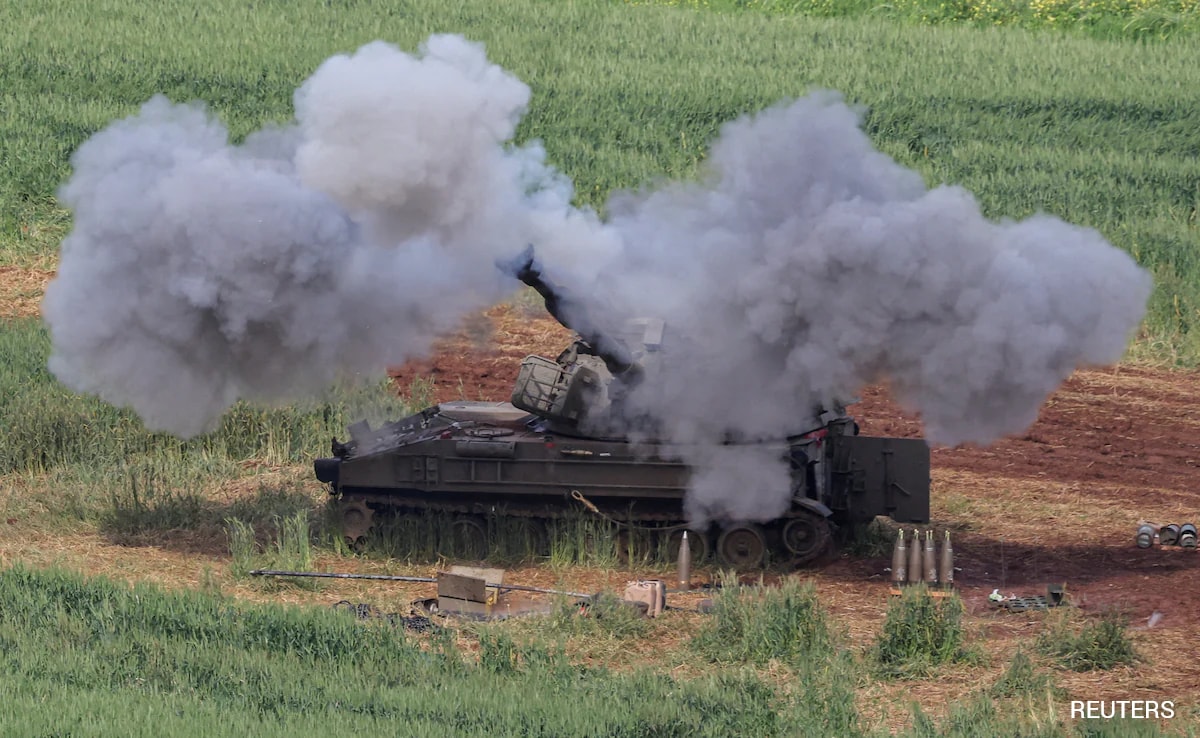
At least 10 U.S. service members were wounded (two seriously) in an Iranian missile/drone strike on Prince Sultan Air Base, and Iran has launched repeated missile/drone attacks on Israel, Saudi Arabia and Gulf states. U.S. equity indices fell (S&P 500 -1.6%, Dow -1.7%, Nasdaq -2.1%), S&P now ~8.7% below its January high, while cargo volumes at Iraq's Umm Qasr port have dropped ~50%, and crude oil prices have risen on supply disruption risk via the Strait of Hormuz. Expect continued risk-off flows, higher energy-driven inflationary pressure and elevated volatility across regional assets, plus potential sector opportunities in energy and defense versus cyclical exposure.
The current regional shock is functioning like a temporary, high-cost tax on maritime trade: longer voyage distances (Cape reroutes) and insurance surcharges quickly translate into multi-million dollar incremental voyage costs for VLCCs and longer transit times for containerships. That dynamic is extremely convex — a small extension in interdiction risk raises spot tanker rates and available tonnage tightness disproportionately, producing outsized near-term gains for owners of readily deployable tonnage while pressuring shippers and freight forwarders within weeks.
From a price-formation perspective, energy market stress is now a function of three levers with distinct time constants: (1) immediate supply-routing friction (days–weeks) that lifts freight-premium-adjusted landed costs; (2) strategic inventory moves and SPR/OPEC responses (weeks–months) that cap or amplify price moves; and (3) structural reconfiguration of supply chains (months–years) — e.g., longer shipping lanes, onshoring or alternative pipeline projects — that create persistent marginal cost increases. Key reversal triggers are diplomatic de-escalation or an announced coordinated SPR release; both can materialize within 30–90 days and compress the convexity that currently supports risk premia.
Defense spending, specialist insurance, and regional logistics providers are the non-obvious pain/gain centers. War-risk insurance and P&I premiums can be reset higher within days, making certain routes uneconomical and forcing cargo onto already tight feeder networks; conversely, defense primes with backlog and near-term award visibility have asymmetric optionality if budgets are reallocated. Credit risk for port terminals, smaller NVOCCs and freight-forwarders with concentrated Gulf exposure can rise quickly — expect liquidity squeezes and covenant pressure inside 2–6 months if throughput remains impaired.
AI-powered research, real-time alerts, and portfolio analytics for institutional investors.
Request DemoOverall Sentiment
strongly negative
Sentiment Score
-0.75
