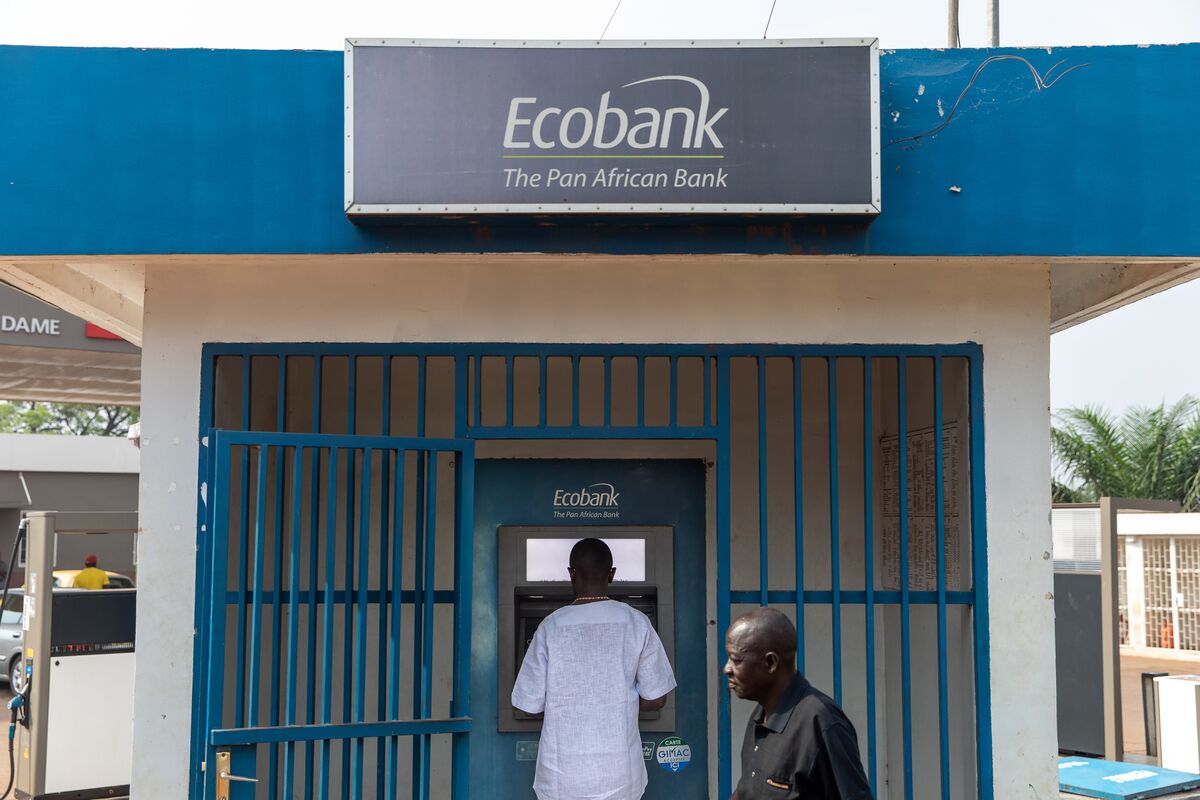
Ecobank Nigeria, the Nigerian subsidiary of Ecobank Group, is under pressure from an impending debt maturity and tightening capital rules and has little time to fix its finances. Management faces a deadline at the end of next quarter to resolve funding and capital shortfalls, and failure to do so could produce material repercussions for the parent and increase credit risk perceptions among investors in the region.
Market structure: The immediate winners are large, well-capitalised Nigerian banks and nonbank payment providers that can scoop up deposit flows and corporate clients if Ecobank Nigeria tightens lending or loses customers; losers are holders of Ecobank Nigeria’s short-dated USD and NGN debt and subordinated bondholders who likely face spread widening of 200–500bps within weeks. Competitive dynamics shift toward tier‑1 incumbents that can raise pricing or reduce credit to riskier corporates, compressing margins for mid‑tier banks and increasing funding costs for the broader Nigerian banking sector over the next 1–3 months. Cross‑asset signals include NGN weakening (spot and forwards), Nigerian sovereign CDS and EMBI spreads widening, and higher implied volatility in bank equity options; commodity demand impact is secondary but a weaker NGN risks pass‑through to import costs and inflation over quarters.
Risk assessment: Tail risks include a forced parent recapitalisation, regulatory take‑over, or a disorderly default that triggers cross‑border contagion to other Ecobank subsidiaries; probability materialises if the debt is unresolved by quarter‑end (3 months). Immediate risks (days–weeks) are deposit flight and FX mismatches; short‑term (weeks–months) is covenant breach and rating downgrades; long‑term (quarters) is franchise damage and higher funding premia. Hidden dependencies: large portion of liabilities likely USD‑linked while assets are NGN‑earning, meaning even a modest 10–20% NGN depreciation raises real debt servicing pressure; parent support is not guaranteed given capital rules across jurisdictions. Catalysts: regulatory forbearance, parent capital injection, or successful liability restructuring can rapidly reverse spreads; missed restructuring or market panic will accelerate downgrades.
Trade implications: Direct plays: buy 3–5% notional of 6–12 month protection via Nigerian bank CDS index or targeted CDS on Ecobank parent if available (target >300bps widening), and short 2–3% of Ecobank Nigeria equity/parent listed stock into the quarter‑end maturity. Pair trades: long large-cap Nigerian banks (market leaders) and short Ecobank/peers with weak liquidity to capture relative spread compression if consolidation occurs; size 1–2% net. Options: buy 3‑6 month put spreads on bank equity index to cap premium while keeping convex payoff if volatility spikes; consider long NGN forwards or call options on USD/NGN if hedging USD exposure. Entry: establish protective positions immediately (within 2 weeks) and time opportunistic equity buys if prices drop >25% around maturity; exit or re‑assess at quarter end (90 days).
Contrarian angles: Markets may overprice insolvency—regulators in Nigeria have historically granted 30–90 day forbearance and/or facilitated buyer syndicates, so distressed bond prices could recover >40% in recovery scenarios; a disciplined 6–12 month distressed debt play could yield >2x if restructuring goes favorably. Conversely, complacency is dangerous: if NGN weakens >15% or parent withdraws support, recovery values fall sharply—limit downside by sizing protection and setting stop‑loss triggers (e.g., CDS widen >500bps or equity fall >40%). Historical parallels: 2016 Nigerian bank stress saw capital raises and selective bail‑outs rather than wholesale failures, suggesting active monitoring of regulator statements in the next 30–60 days is the highest‑value signal.
AI-powered research, real-time alerts, and portfolio analytics for institutional investors.
Request DemoOverall Sentiment
strongly negative
Sentiment Score
-0.60
Ticker Sentiment
