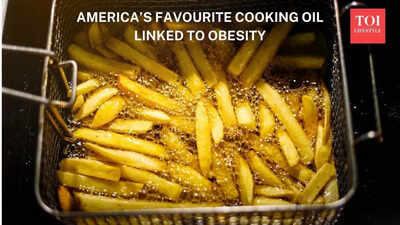
A UC Riverside study published in the Journal of Lipid Research links high‑soybean‑oil diets to significant weight gain in mice and identifies a metabolic pathway involving an alternative form of the liver protein HNF4α and conversion of linoleic acid into pro‑inflammatory oxylipins. The work builds on prior UCR findings that soybean oil is more obesogenic than some alternatives, notes a century‑long rise in US soybean oil consumption, and raises potential public‑health and regulatory implications for the processed‑food supply chain and soybean commodity demand. Immediate market disruption appears limited given the early, animal‑model evidence, but the findings could weigh on long‑term demand or regulatory scrutiny for soybean oil and ultra‑processed foods.
Market structure: A credible but preliminary health signal against soybean oil favors winners in alternative oils (olive, avocado, canola, palm processors) and niche health-food brands while threatening soybean processors and ultra‑processed food makers that rely on cheap soy oil. If even 5–15% of US packaged‑food formulators pivot away from soybean oil over 12–24 months, soybean oil demand could fall materially, compressing soy oil crush margins and shifting spreads versus palm/canola by double‑digit percentages. Pricing power will transfer to suppliers of “healthy” oils and brands that can charge +5–15% premiums for reformulated SKUs.
Risk assessment: Tail risks include (a) regulatory advisories or dietary‑guideline changes within 12–24 months (10–30% probability) that trigger rapid reformulation, (b) class actions on labeling (low probability, high cost to large processors), and (c) supply shocks from Brazil/Argentina weather or export policy that could offset demand losses. Immediate market moves (days) will be headline‑driven and volatile; meaningful fundamental impacts likely play out over 3–18 months. Hidden dependencies: soymeal demand for livestock cushions total soybean demand, muting worst‑case price falls.
Trade implications: Tactical shorts in soybean oil exposure (SOYB or CBOT ZL) with defined stops make sense over 3–6 months while selective long exposure to alternative‑oil producers or branded health food names is a 6–18 month theme. Use put spreads on vulnerable packaged‑food names (KHC, GIS) to express reputational/regulatory downside and consider long volatility via soy‑oil option straddles around key policy/citation dates. Size positions modestly (1–3% portfolio each) and hedge cross‑commodity basis risk (soybean futures vs soy oil futures).
Contrarian angles: The mouse‑model origin matters — human evidence and regulatory action lag, so initial price moves may be overdone; also simultaneous soy supply shocks (Brazilian frost, El Niño) could create a squeeze that reverses any negative price impulse. If soybean oil futures decline >15% on headlines without USDA/FDA moves within 90 days, consider fading shorts and rotating into acreage/seed/processor names (ADM, BG) which will re‑rate if soybean prices recover. Monitor citation events—peer human studies or government advisories—before scaling beyond small tactical allocations.
AI-powered research, real-time alerts, and portfolio analytics for institutional investors.
Request DemoOverall Sentiment
mildly negative
Sentiment Score
-0.25
