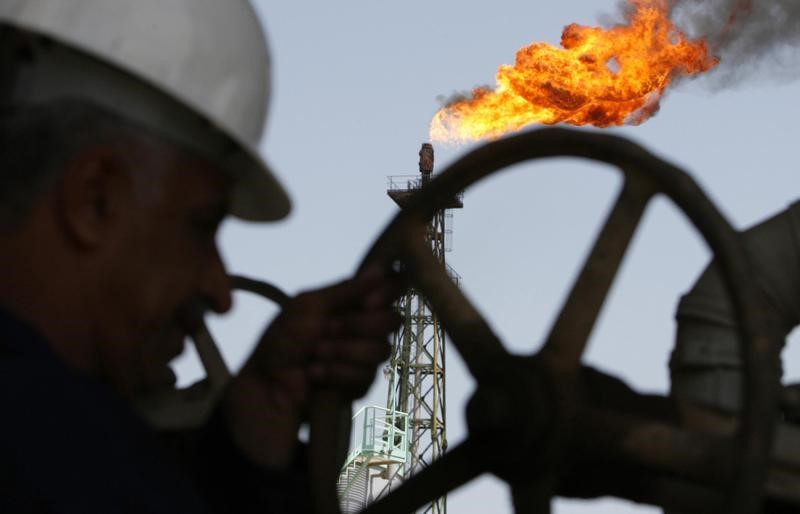
Brent rose 0.9% to $110.66/bbl and WTI gained 2.7% to $115.44/bbl as U.S.-Iran tensions escalate and Iran continues to threaten closure of the Strait of Hormuz. The UN Security Council failed to adopt a resolution (China and Russia vetoed), OPEC March production plunged (largest in ~40 years), and the EIA reported Q1 2026 as the biggest inflation-adjusted quarterly Brent increase since 1988 — all signaling meaningful downside risk to global oil flows and upside risk to inflation. Market participants should watch one-year futures (June 2027 WTI near $72) for institutional hedging dynamics and geopolitical moves such as Iran’s $2m-per-ship tariff demand and threats to the Bab-el-Mandeb chokepoint.
The market is re-pricing medium-term energy risk into the 12-month part of the crude curve rather than just front-month spikes; that shifts where institutional hedging and portfolio flows land and raises inflation breakevens by several hundred basis points versus pre-crisis levels over a 3–12 month horizon. Higher forward energy costs act like a negative supply shock to global manufacturing — think added shipping rerates, higher airfreight, and rerouting around chokepoints — which compresses gross margins for high-volume hardware launches by an incremental 50–150 bps in the quarter of release if passed through to landed component cost.
For Apple, the practical second-order effect is timing and mix risk: premium device launches face concentrated exposure to specialty components and expedited logistics. Even if revenue holds, a 50–150 bps margin hit on a big-cycle quarter forces management to lean more on services and ASP management, compressing beat-and-raise optionality and increasing downside to consensus EPS in the next 2–3 quarters.
Conversely, concentrated compute suppliers (SMCI-style) are likely to see re-prioritization of capex: enterprises and hyperscalers will prefer denser, energy-efficient refreshes to blunt running costs, which supports lift in order cadence and pricing power over 6–12 months. Mobile ad/video monetization platforms (APP-type) sit on the knife-edge — they can gain share if consumers reallocate spend from travel/experience to low-cost entertainment, but ad budgets are early-cycle vulnerable to macro slowdowns.
Key reversals: a credible, quick de-escalation would unwind the forward premium fast (weeks to 2 months), rewarding shorts in energy and penalizing defensives; sustained conflict or progressive tariffs on shipping keeps the premium in place and forces multi-quarter demand reshaping, amplifying dispersion between efficient compute suppliers and consumer-oriented hardware OEMs.
AI-powered research, real-time alerts, and portfolio analytics for institutional investors.
Request DemoOverall Sentiment
strongly negative
Sentiment Score
-0.60
Ticker Sentiment
