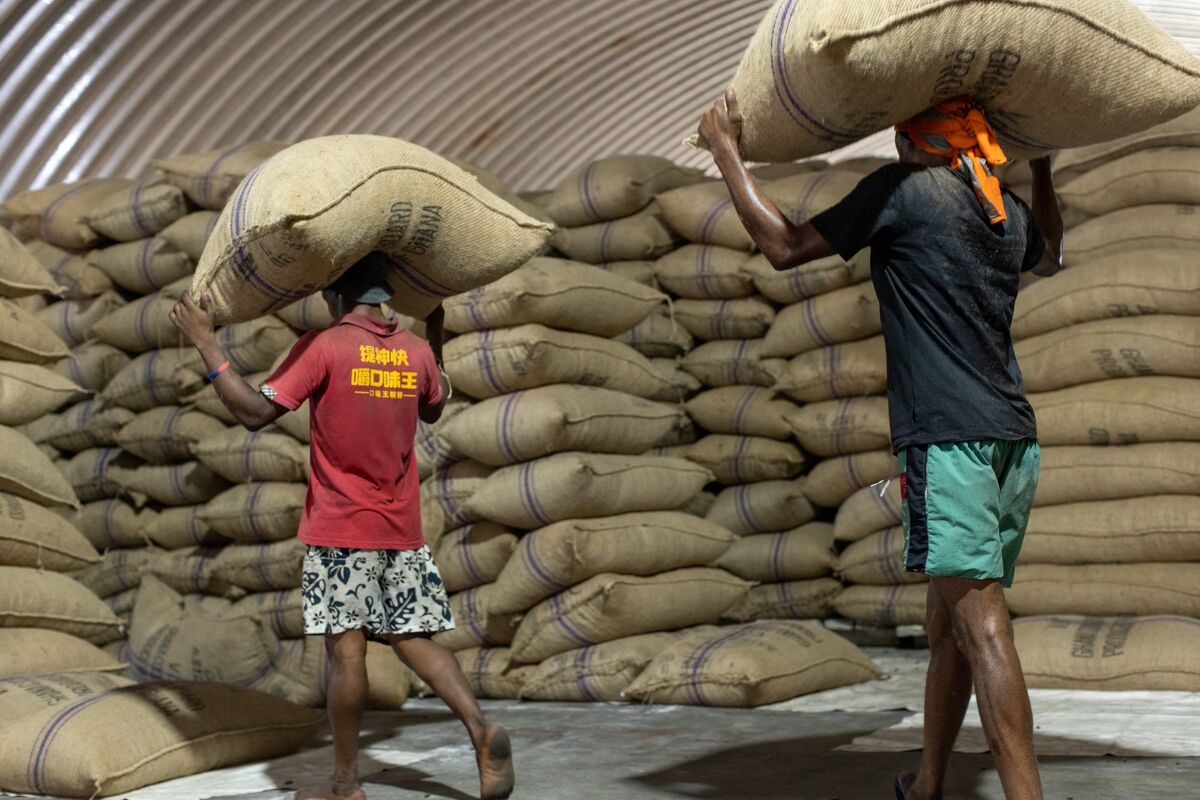
Ghana's August cocoa deliveries quadrupled to 50,440 metric tons, significantly up from the prior year's 11,000 tons, due to an accelerated start to the season two months ahead of schedule. This early supply, implemented to provide farmers with prompt cash, is contributing to a cooling effect on global cocoa prices.
Ghana's cocoa supply to the market has experienced a significant acceleration, with deliveries in the four-week period ending September 4 reaching 50,440 metric tons. This represents a more than fourfold increase compared to the approximately 11,000 tons delivered in the corresponding period of the prior year. The surge is a direct result of a governmental policy decision to commence the cocoa season in August, two months earlier than the traditional start date. This measure was implemented to provide farmers, who are paid a government-fixed price, with earlier access to cash. The immediate consequence of this front-loading of supply is an increase in available inventory, which is reportedly contributing to a cooling effect on global cocoa prices.
AI-powered research, real-time alerts, and portfolio analytics for institutional investors.
Request DemoOverall Sentiment
Neutral
Sentiment Score
0.00
