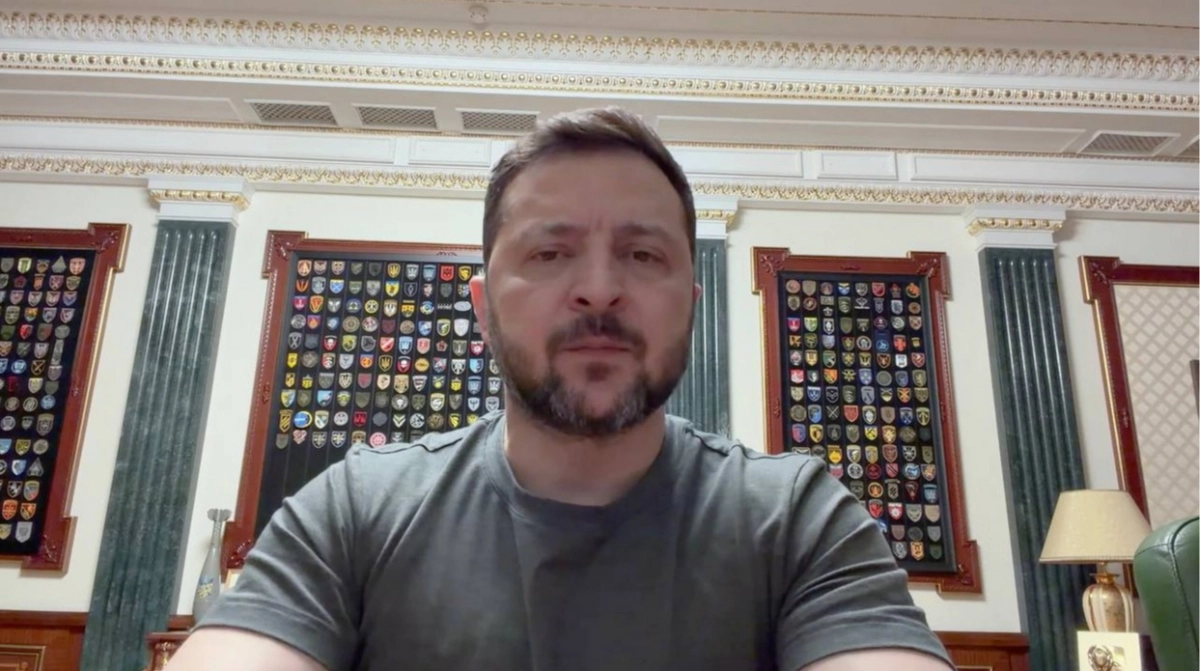
Ukraine has deployed interceptor drones and multiple specialist teams—confirmed as three teams of ‘dozens’ of personnel—to Gulf countries to provide counter‑drone and air‑defence expertise; Zelenskyy says these units are delivering "concrete results" protecting Persian Gulf states. Reporting between 9–15 March indicates Ukrainian teams are in Jordan, Qatar, UAE and Saudi Arabia, strengthening short‑term protection of civilian and critical infrastructure while boosting Kyiv's geopolitical leverage and irritating Russia. This development is notable for defense suppliers and regional risk premia but is unlikely to move global markets immediately.
Ukraine exporting operational counter-drone and air-defence know-how to Gulf states is a structural amplifier of demand for low-footprint, rapidly deployable C-UAS (counter-unmanned aircraft systems) solutions. Expect the fastest revenue realization to come from services, training, and recurring O&M contracts rather than large platform sales — service attach rates can convert a one-off advisory win into 3–5 years of annuity-like revenue for contractors.
Primes with broad systems-integration and aftermarket services (guided weapons, sensors, EW, ISR) will capture the bulk of large-ticket programs, but specialist small- and mid-cap vendors that supply software, sensors, AI targeting, and autonomous interceptors have a shorter sales cycle and higher relative upside. That bifurcation creates a two-speed opportunity set: steady, lower-volatility upside to RTX/LHX/NOC type names from multi-year Gulf programs, and higher-gamma upside to niche suppliers (drone intercept, EW, C2 software) if operational proof points proliferate across GCC bases within 3–9 months.
Key risks: rapid de-escalation via a diplomatic or US/NATO footprint increase would compress demand (weeks–months), and Gulf buyers’ preference for sovereign offset/localization can blunt margins as production migrates locally over 12–36 months. Also, expect Russia or proxies to respond asymmetrically — cyberattacks on logistics or disinformation campaigns — which elevates insurance/reinsurance pricing and creates a secondary set of beneficiaries.
Consensus underestimates the scalability of “tactical know-how” as an exportable defence product: advisory teams plus modular C-UAS kits can be replicated across bases quickly, creating outsized orderflow for specialists before primes win larger systems contracts. The market should therefore separate near-term, high-optionality small-cap plays from multi-year prime-service winners and price insurance/reinsurance exposures for rising tail-risk premiums.
AI-powered research, real-time alerts, and portfolio analytics for institutional investors.
Request DemoOverall Sentiment
mildly positive
Sentiment Score
0.15
Ticker Sentiment
