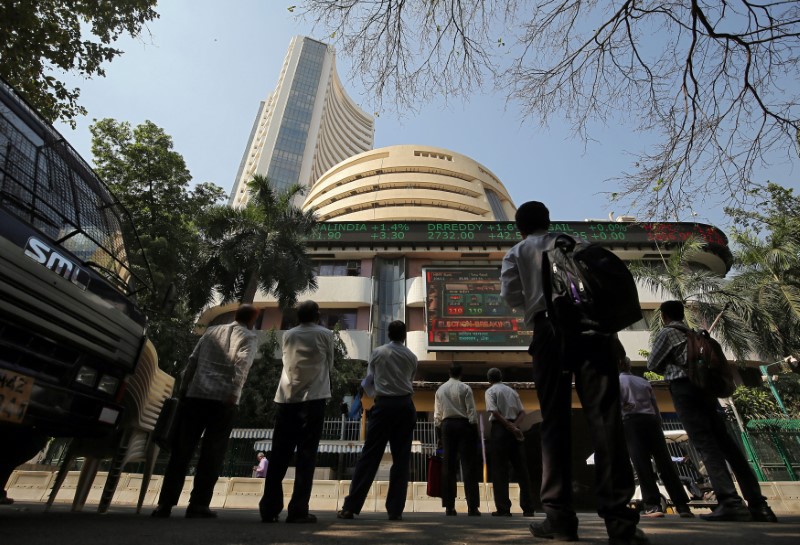
UBS downgraded Indian equities to Neutral from Attractive, citing vulnerability to imported energy and oil-price shocks as Middle East tensions persist; MSCI India trades at 19.9x forward earnings. UBS notes MSCI Emerging Markets fell as much as 10% from its peak, revised 2026 EM EPS growth to 27% and set a Dec-2026 MSCI EM target of 1,630 (current level 1,470), with a June-2026 interim target of 1,550, downside at 1,200 and upside at 1,880. Elevated energy costs could widen India's current account deficit and pressure corporate earnings near-term; UBS nevertheless keeps a constructive tilt on EM, favoring China/China tech, South Korea, Brazil, Indonesia and Malaysia.
The market is starting to price a flow rotation away from energy‑import dependent EMs toward markets and sectors with policy flexibility and tech exposure; that rotation is a feedback loop — weak India flows reduce local liquidity, which amplifies valuation compression and forces selling into global tech names that are perceived as safe EM proxies. Memory and AI infrastructure suppliers sit on the receiving end of those flows, not just because of fundamentals but because they are the most liquid way for large EM‑focused funds to express a tilt to ‘growth with hardware leverage’ quickly.
Second‑order winners include server OEMs, contract manufacturers, and logistics routes tied to hyperscaler capex — tighter memory supply raises OEM ASPs and shortens payback on incremental server spend for cloud providers, which in turn accelerates orders to companies like SMCI. Conversely, corporates with large FX‑denominated energy bills and thin domestic pricing power will see margins compress faster than headline earnings models assume, creating an earnings revision risk that could persist for multiple quarters if oil remains elevated.
Key catalysts to watch are (1) an oil move >+$10/bbl sustained for 30+ days, which materially widens current account stress for importers; (2) visible memory inventory draws extending into 2026–27 that validate a supply shortage; and (3) policy responses — targeted fiscal support or central bank easing — that can quickly reverse cross‑border flows. Near‑term tail risks (geopolitical escalation, SPR releases, abrupt Chinese demand shocks) create fast, binary moves; medium‑term outcomes hinge on inventory and policy trajectories through 2H26.
AI-powered research, real-time alerts, and portfolio analytics for institutional investors.
Request DemoOverall Sentiment
mildly negative
Sentiment Score
-0.25
Ticker Sentiment
