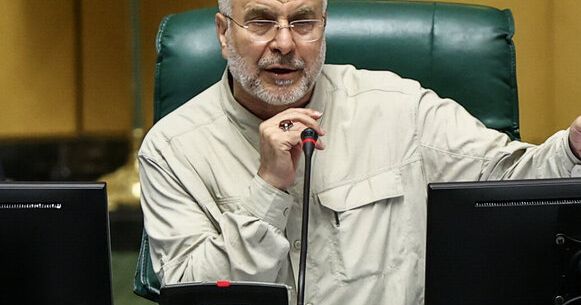
Trump says Iran has initiated contact and agreed to abandon nuclear weapons, with the U.S. prepared to take control of enriched uranium if a deal is reached. He claimed recent U.S. strikes set back Iran’s program and that, without them, Tehran could have developed a weapon within "two weeks to a month." The president supports allowing Iranian oil already at sea into global markets to stabilize supply and warned oil prices would "drop like a rock" if a deal is struck. He expressed cautious optimism—"a very serious chance"—but declined to guarantee an agreement.
A credible, near-term easing of Iranian crude availability would act like a sudden, low-cost supply shock: our back-of-envelope shows ~0.5–1.0 mbpd incremental flow would depress Brent by roughly $6–$12 within 30–90 days as floating inventories roll into onshore storage and prompt differentials widen. The first-layer market reaction will be in freight and insurance: VLCC/Tanker TCEs are likely to trade down within days, amplifying equity downside for pure-play tanker owners even before refinery margins move.
Refining and regional fuel markets will reprice asymmetrically. Heavy-sour refiners with flexible crude slates (Gulf Coast and Mediterranean) can capture wider crude-to-product spreads quickly; conversely, integrated majors’ upstream cashflow re-leverage will weaken only on a longer, multi-quarter cadence. Financially constrained producers and shale names that priced forward hedges at higher levels are the most exposed to a rapid $8–$12 drop in Brent because their 2026 capex and breakevens are marginal.
Tail risks remain binary and fast-moving: a breakdown in talks or a kinetic escalation could erase the “deal” discount in hours, sending oil sharply higher and tankers/insurance rates spiking. Operational bottlenecks — banking corridors, tanker insurance, and port access — mean realized export volumes could lag headlines by weeks-to-months, creating a multi-stage re-pricing where maritime and refining equities lead, and upstream fundamentals follow over quarters.
AI-powered research, real-time alerts, and portfolio analytics for institutional investors.
Overall Sentiment
mildly positive
Sentiment Score
0.12
