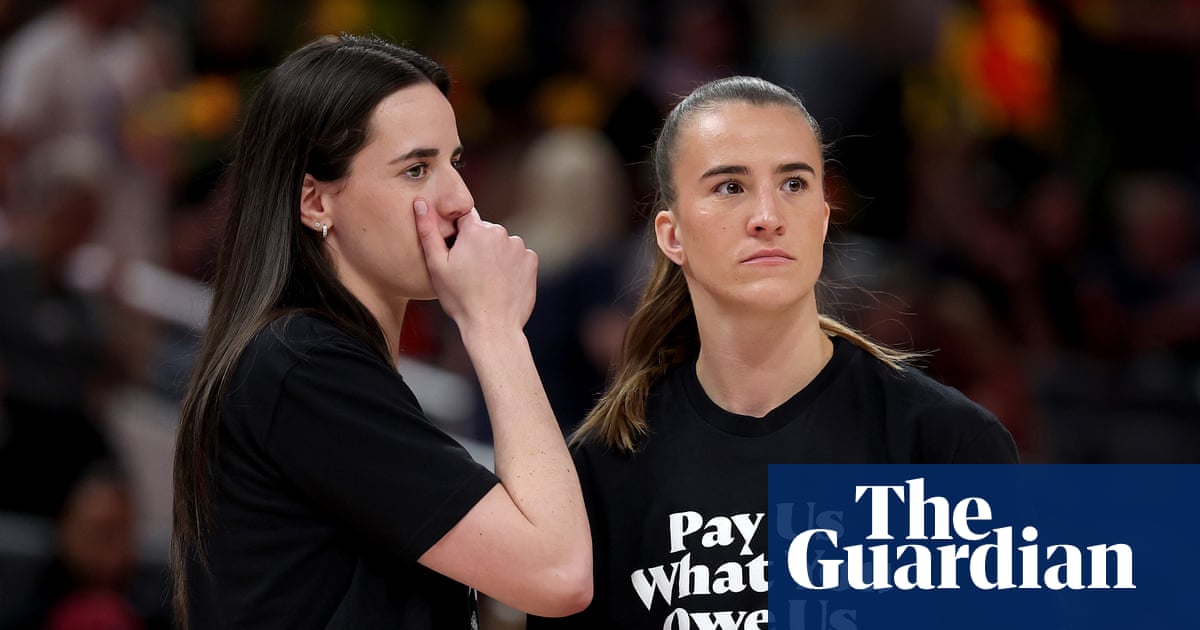
The WNBA and WNBPA have aligned on a new collective bargaining agreement pending a formal term sheet and ratification; reported terms would raise the salary cap to about $7.0m from $1.5m and allocate roughly 20% of league revenue to players. Top “supermax” pay could hit ~$1.4m, average salaries near ~$600k with a $300k minimum, and housing benefits will be phased/retooled; the 2026 draft remains scheduled for 13 April while expansion, free agency and operations await paperwork. The deal is transformational for player economics, likely reduces off‑season overseas participation for many players and is sector‑positive for media, attendance growth and long‑term investment in women’s sports.
The new labor economics shift will re-price the growth optionality embedded in three buckets: rights holders, consumer brands that monetize player fame, and platforms that convert fandom into recurring revenue (streaming/betting/merch). Expect most upside to be concentrated at the intersection of live-audience monetization and star-driven consumer products; that concentration increases winner-take-most dynamics where a handful of apparel and media owners capture outsized returns while smaller-market teams face compressed operating margins. Second-order demand effects will play out on 6–36 month horizons. Sponsorship and advertising inventory should re-rate quickly once league metrics (TV CPMs, attendance yield, merchandise sell-through) show persistent QoQ improvement — those are the 2–3 quarter signals to watch. Conversely, if macro advertising budgets tighten or rights-holder bidding escalates faster than measured revenue growth, team-level cash flows and valuations could meaningfully underperform expectations. Tail risks are operational (paperwork/ratification delays disrupting free agency/draft windows) and structural (engagement plateaus that limit sponsorship upside). A failed ratification or an early-season ratings dip would be swift catalysts for a repositioning trade; sustained underinvestment in mid-tier marketing could mean the headline growth concentrates among a few stars and leaves broader consumer spend muted, undercutting many bulls’ revenue assumptions.
AI-powered research, real-time alerts, and portfolio analytics for institutional investors.
Overall Sentiment
strongly positive
Sentiment Score
0.70
