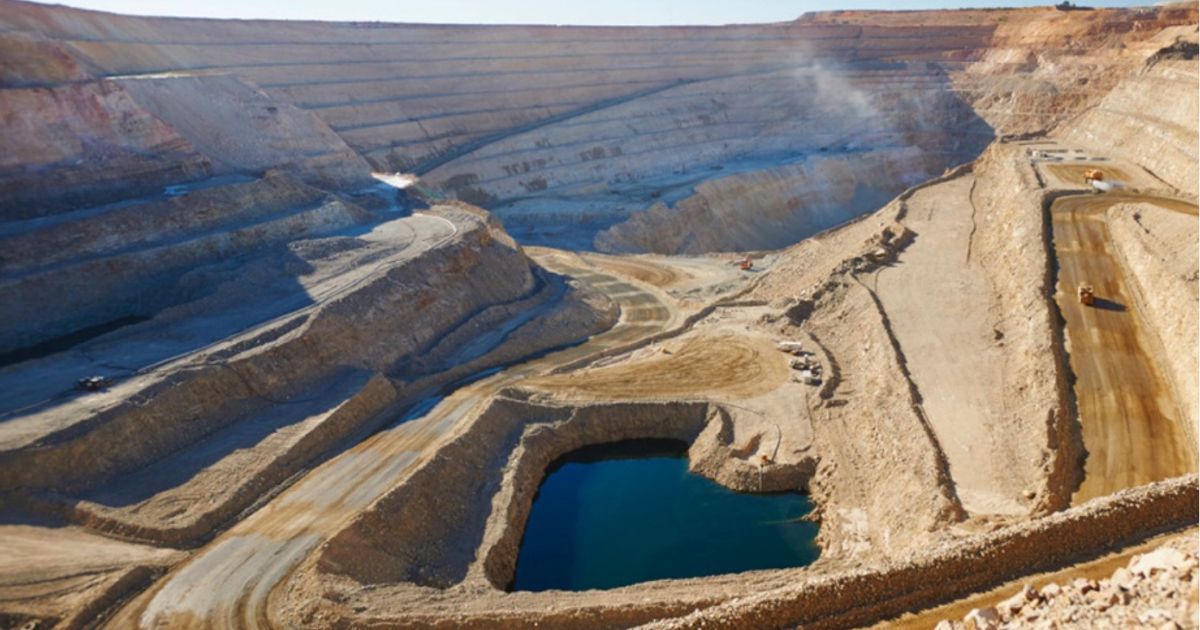
Greatland Resources reported preliminary December 2025 quarter production of 86,273 oz of gold and 3,528 t of copper, up from 80,890 oz and 3,366 t in the prior quarter, taking H1 FY2026 production to 167,163 oz Au and 6,894 t Cu. Quarterly sales were 72,212 oz Au and 3,301 t Cu; cash rose to $948m from $750m (a $198m build) and the company is debt-free despite a one-off $46m stamp duty related to the Telfer‑Havieron acquisition. All-in sustaining costs are still being finalised and will be reported in the December Quarterly Activities Report, and management retains upside exposure to the gold price while using gold put options for some downside protection.
Market structure: Greatland's 86,273 oz Au and $198m cash build (to $948m) strengthens its bargaining power for M&A (notably Telfer‑Havieron) and benefits service providers, mid‑tier consolidators and suppliers to high‑grade projects; marginal downside for smaller, levered juniors that compete for capital. Incremental supply of ~6,894 oz Au in H1 FY2026 is immaterial to global gold market (~120Moz/yr) but signals stronger cash flow for consolidation activity among mid‑tiers, while copper volumes (3.5kt/qtr) are too small to move copper prices. Cross‑asset: tighter credit spreads likely for similarly capitalised miners, AUD may be modestly supported on M&A optimism, and gold options flows (puts bought by Greatland) moderate volatility skew for short-dated implieds.
Risk assessment: Tail risks include operational setbacks at acquired Telfer‑Havieron assets, adverse royalty/tax rulings (stamp duty was already $46m), or a >15% gold price shock within 3 months which would hit near-term cash flow planning; regulatory scrutiny of large cash balances and cross‑border deals is medium probability/high impact. Immediate (days): stock reaction to the cash build and inventory vs sales delta; short term (weeks): release of AISC and quarterly cashflow reconciliation; long term (quarters): integration costs and actual synergies from acquisitions. Hidden dependencies: hedging profile (puts reduce downside but cap upside) and inventory timing (sales 72,212 oz vs production 86,273 oz) may mask working‑capital drag.
Trade implications: Direct play—establish a tactical 2–3% portfolio long in Greatland (AIM:GGP / ASX:GGP) sized to target 25–40% upside on positive AISC and integration news, with a 15% stop‑loss and review at the AISC release within 30 days. Options—buy a 6‑month GGP call spread (long ATM, short 25% OTM) to capitalise on rerating while funding premium; alternatively buy 6‑12 month gold calls (e.g., GLD/GC) if macro tailwinds appear. Pair trade—long GGP vs short heavily hedged larger producers (e.g., NEM) 1:0.25 to express idiosyncratic consolidation upside while hedging gold‑beta.
Contrarian angles: Consensus may overvalue the cash build as permanent—$198m included one‑offs (stamp duty) and could be consumed by integration capex; market may underprice integration and AISC risk, leaving asymmetric downside if synergies fail. Historical parallels: mid‑tier miners that overpaid for adjacent assets have suffered 25–50% drawdowns post‑deal when AISC rose (examples: mid‑2010s consolidation cycles). Unintended consequences include management using cash for aggressive buybacks or earn‑outs that transfer execution risk to shareholders; therefore require AISC disclosure and integration milestones (60–90 day windows) before scaling positions.
AI-powered research, real-time alerts, and portfolio analytics for institutional investors.
Request DemoOverall Sentiment
moderately positive
Sentiment Score
0.50
