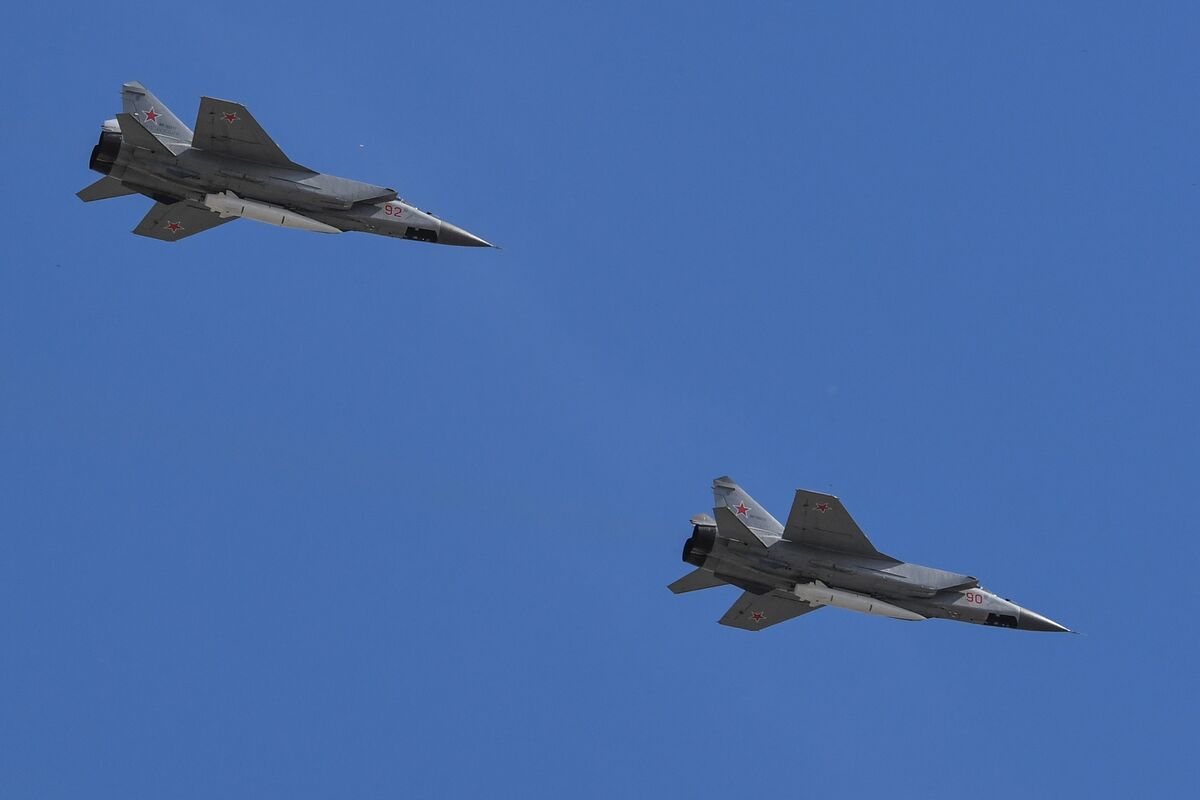
European diplomats, representing NATO, have reportedly issued a stark warning to Russia, indicating that further violations of NATO airspace, such as the recent deliberate incursion by Russian MiG-31s into Estonian territory, could prompt a full-force response, including the shooting down of Russian planes. A Russian diplomat cautioned that such an action could lead to "war," signaling a significant escalation in geopolitical tensions.
Geopolitical tensions between NATO and Russia have acutely escalated, introducing significant tail risk for global markets. A warning from European diplomats that further deliberate airspace violations, such as the recent incursion by Russian MiG-31s into Estonia, could be met with 'full force'—including shooting down aircraft—has been met with a Russian counter-warning that such a response could lead to 'war.' This direct confrontation rhetoric amplifies uncertainty and risk. The associated high market impact score of 0.9 and 'strongly negative' sentiment signal that markets are pricing in a non-trivial probability of a direct military conflict. The 'volatile' tone underscores the unpredictable nature of the situation, which is likely to fuel a flight to safety and increase volatility across asset classes, particularly those with direct European or Russian exposure.
AI-powered research, real-time alerts, and portfolio analytics for institutional investors.
Request DemoOverall Sentiment
strongly negative
Sentiment Score
-0.85
