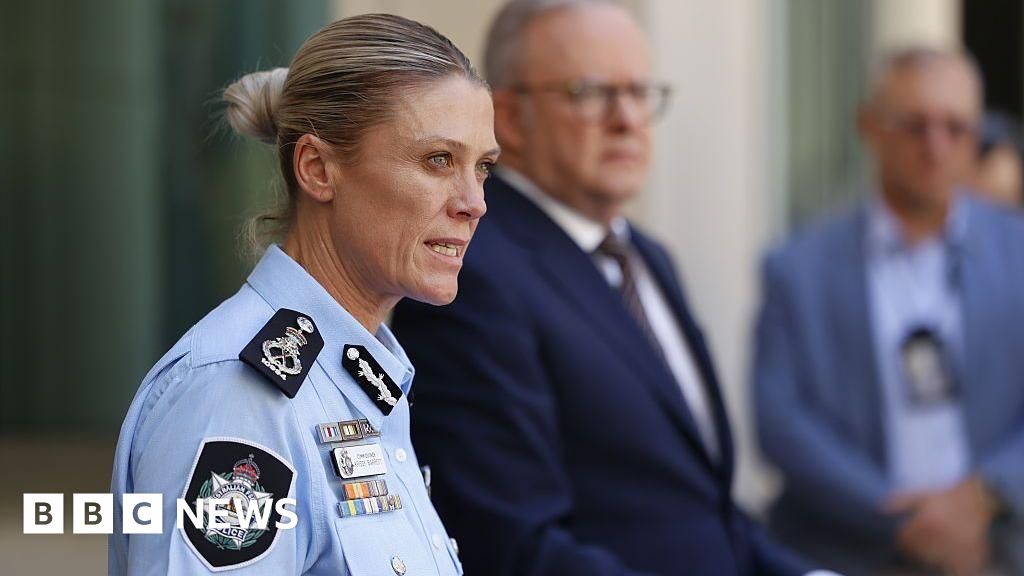
Two alleged gunmen, father Sajid Akram (50) and son Naveed Akram (24), killed 15 people at a Hanukkah event on Bondi Beach in Australia; Sajid was shot dead by police and Naveed has been charged with 59 offences including 15 counts of murder and one count of committing a terrorist act, with a court appearance due in April. Australian authorities say the pair travelled to the Philippines from 1–29 November, transiting Manila to Davao, but early investigations found no evidence of weapons training or broader direction from a terror cell and CCTV from the Philippines is being reviewed. The attack has been declared a terrorist incident and Prime Minister Albanese has said the alleged perpetrators appear motivated by Islamic State ideology, creating elevated domestic security and reputational risks but limited immediate market-moving implications.
Market structure: Immediate winners are defense primes and security-tech vendors (physical cameras, analytics, cyber) as governments typically accelerate procurement after domestic terror—expect a 3–10% incremental procurement budget for counterterror over 12–18 months in Australia and allied partners, benefiting large-cap contractors with export footprints. Losers include Australian leisure/tourism-exposed equities and regional hospitality REITs where near-term visitation could drop 5–10% for 1–3 months and push occupancy-driven earnings misses.
Risk assessment: Tail risks include copycat attacks, expanded investigations linking foreign networks triggering diplomatic frictions, or abrupt regulatory actions (firearm policy tightening, border checks) that could reprice insurers and travel stocks; probability of further major incidents in next 6 months is low but material (5–15%). Short-term (days–weeks) watch for AUD weakness and safe-haven flows; medium-term (3–12 months) watch for defense budget announcements and insurance loss reserving. Hidden dependencies: election timing and domestic policing budgets drive actual contract flows; intelligence findings could either dampen or amplify spending.
Trade implications: Expect modest risk-off: sovereign yields compress modestly (10–30bp) on flight-to-safety, gold up 2–6%, AUD likely down 1–3% vs USD near-term. Direct plays are long large defense primes and cyber names, short select Australian travel/leisure, and tactical long gold/FX-protection; use options to cap downside while capturing skew. Catalysts that would accelerate trades include official budget increases, court rulings, or additional security incidents within 90 days.
Contrarian angles: Consensus will overweight immediate safety plays; underappreciated is re-rating of insurers if policy/legal exposures escalate—this creates a tactical long-insurer opportunity only after clearer reserve guidance (monitor 30–60 day filings). Also, if AUD overshoots on downside (>3%), consider mean-reversion trades into Aussie financials where fundamentals unchanged beyond transitory sentiment shock.
AI-powered research, real-time alerts, and portfolio analytics for institutional investors.
Request DemoOverall Sentiment
moderately negative
Sentiment Score
-0.50
