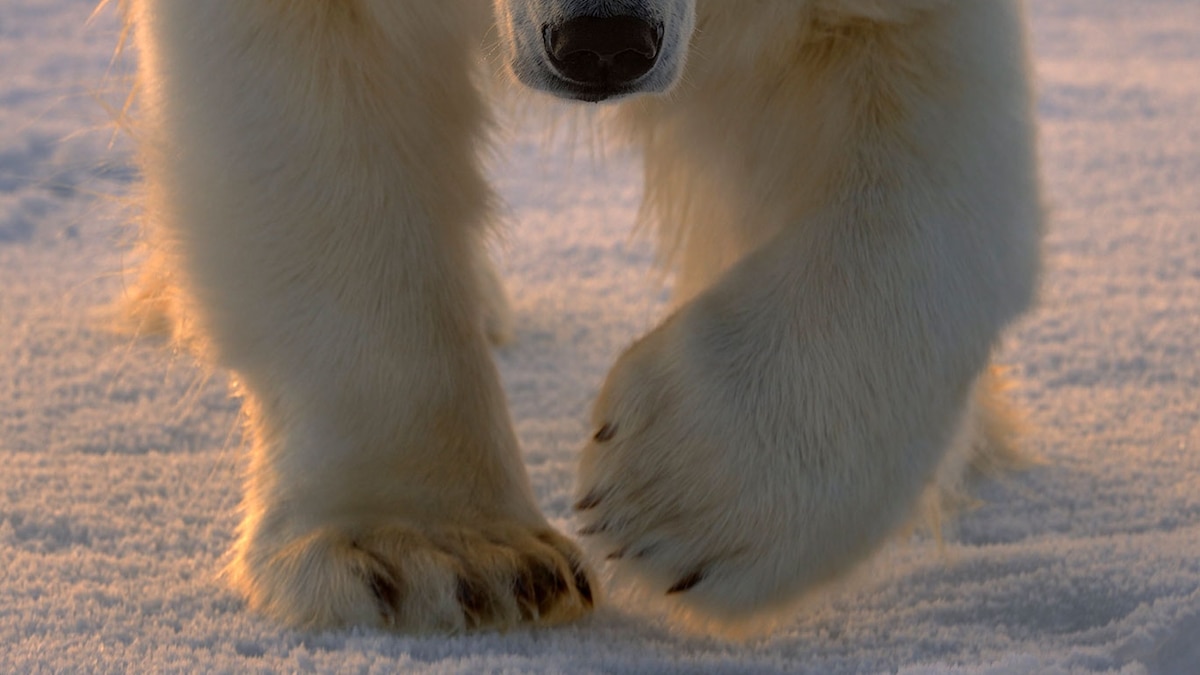
Long-term monitoring of Barents Sea polar bears around Svalbard (annual surveys since 1987; body-size and chest-circumference measurements on 770 adults from 1992–2019) shows an unexpected improvement in body condition after 2000 despite the region losing sea ice about twice as fast as other Arctic habitats. Researchers publishing in Scientific Reports attribute the trend to increased terrestrial feeding opportunities (notably a rebound in reindeer), possible prey aggregation (ringed seals) and potential genetic or behavioral adaptation, but warn this may be a temporary “small window of hope” before ecosystem tipping points driven by continued warming reduce food availability and long-term survival prospects.
Market structure: Regional winners from faster Arctic melt are likely to be offshore energy producers, Arctic-capable shipping and infrastructure providers, and Norwegian exporters (NOK beneficiaries) because longer open-water seasons lower marginal costs of access; losers are wild-capture fisheries and coastal aquaculture operators dependent on cold-water food webs. Pricing power will shift to firms with Arctic operational capability (ice-class fleets, subsea experience) and to sovereigns with permitting flexibility (Norway) while broad fossil-fuel supply could incrementally expand if licensing follows, exerting modest downward pressure on oil prices over 12–36 months.
Risk assessment: Tail risks include a rapid policy clampdown (e.g., EU/UK moratoria on Arctic drilling within 6–24 months), a nonlinear ecosystem collapse tipping point within 3–10 years that destroys substitute food sources, or reputational/ESG divestment waves that reprice Arctic assets quickly. Near-term (days–months) market moves are likely muted; medium-term (6–24 months) volatility in energy and fisheries equities should rise; hidden dependencies include human-driven prey rebounds (reindeer) that can temporarily mask stress and thus create false signals.
Trade implications: Tactical trades should overweight Arctic-capable energy and shipping exposures for a 6–24 month window while shorting aquaculture/fisheries names that face declining baseline productivity; use options to limit downside given policy tail risk. Cross-asset plays: modest long NOK vs CAD/GBP (0.5–1% NAV) and buying 12–18 month oil-call optionality as asymmetric exposure if permitting expands.
Contrarian angle: Consensus treats polar bears as uniform climate losers; Svalbard shows local ecological and human-management contingencies matter — markets may underprice regional winners and overprice blanket ESG tails. Historical parallels (localized ecosystem rebounds masking eventual collapse) warn against large, undiversified bets; the key mispricing window is 6–24 months before policy or ecological tipping points become undeniable.
AI-powered research, real-time alerts, and portfolio analytics for institutional investors.
Request DemoOverall Sentiment
neutral
Sentiment Score
-0.10
