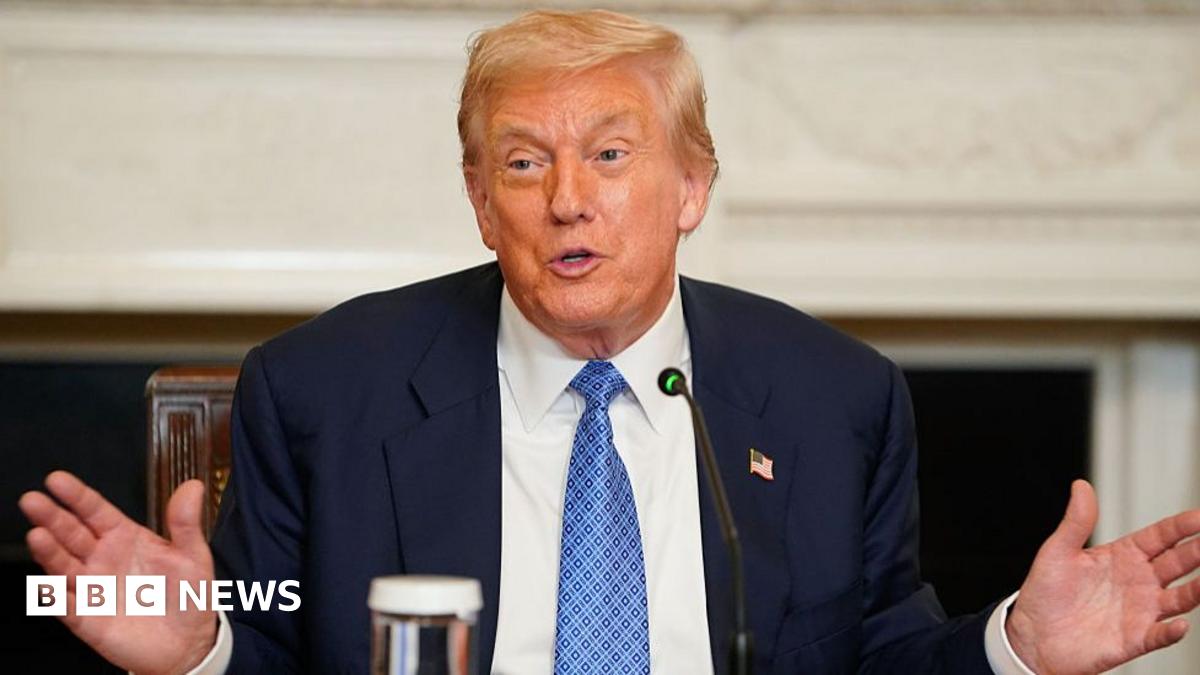
President Trump and President Putin are confirmed to meet in Alaska next week, following months of diplomatic engagement that included multiple high-level calls, delegation meetings in Saudi Arabia and Turkey, and five visits by Witkoff to Moscow. Despite a recently missed ceasefire deadline on energy and infrastructure, which was part of a previously agreed peace framework, and new US sanctions imposed on India for Russian oil purchases, the summit proceeds, signaling continued high-level efforts to address bilateral relations and potential de-escalation.
The upcoming summit between President Trump and President Putin in Alaska represents a critical juncture in a multi-month diplomatic process characterized by conflicting signals. Despite intensive engagement, including multiple high-level calls and delegation meetings in Saudi Arabia and Turkey, a key Trump-imposed deadline for a ceasefire related to energy and infrastructure has passed without resolution. Compounding this uncertainty, the U.S. has simultaneously escalated economic pressure by imposing 25% additional sanctions on India for its purchase of Russian oil. The decision to proceed with the summit amidst these setbacks—a missed deadline and new secondary sanctions—indicates that the stakes are exceptionally high. This geopolitical event carries significant implications for energy markets, given the explicit focus on an energy ceasefire, and for global trade policy, highlighting a complex U.S. strategy of concurrent negotiation and coercion.
AI-powered research, real-time alerts, and portfolio analytics for institutional investors.
Request DemoOverall Sentiment
mixed
Sentiment Score
0.00
