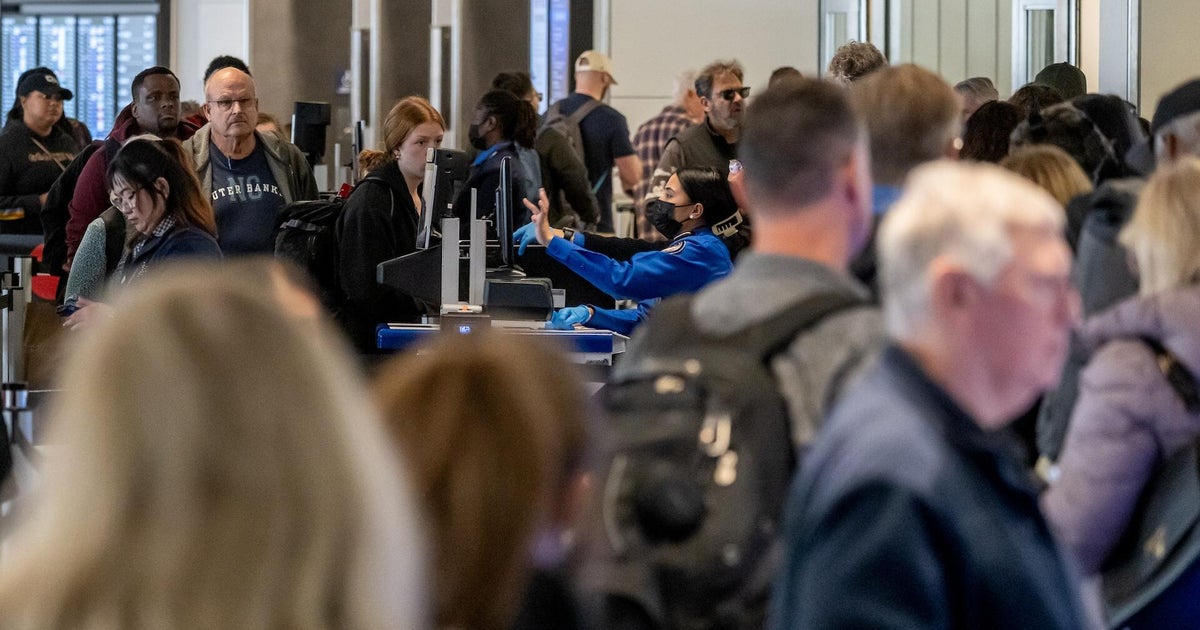
AAA projects 122.4 million Americans will travel between Dec. 20 and Jan. 1, with Airlines for America estimating about 2.9 million air passengers daily and 52.6 million total air passengers while 110 million will drive. Busiest air-travel dates are expected to be Dec. 19–21 and Dec. 26 and 28 (American plans >6,400 flights on Dec. 19; United flags the post-Christmas Saturday as its peak), and lawmakers and AARP are warning of a rise in travel-related scams, posing operational, reputational and customer-experience risks for carriers and travel platforms.
Market structure: Peak holiday volumes (Airlines for America: ~2.9M passengers/day, 52.6M over period) imply near-term pricing power for network carriers (AAL, UAL) via higher fares and ancillary revenue on constrained peak days; airports, rental cars and hotels are clear beneficiaries. Third-party OTAs and smaller regional carriers are exposed to reputational/operational risk if scams or cancellations spike, shifting bookings back to airline direct channels and increasing marginal customer acquisition costs.
Risk assessment: Immediate tail risks (days-weeks) include weather-driven mass cancellations or a major cyber-scam that freezes bookings — either could erase several percentage points of quarterly revenue; short-term (1–3 months) risks include regulator fines or increased security spend reducing margins by 100–200bps. Long-term (quarters–years) risks are structural: higher cybersecurity capex, increased insurance/chargeback costs, and permanent rerouting of distribution away from OTAs, changing LTV/CAC for carriers.
Trade implications: Favor directional exposure to UAL over AAL given scale and slightly stronger sentiment; expect implied vols to compress post-holiday unless operational disruption occurs. Use defined-risk option structures around Dec 19–28 (buy call spreads into demand window, buy cheap OTM puts as tail hedges) and rotate 0.5–1% into cybersecurity equities/ETFs to hedge regulatory/cyber upside in 3–12 months.
Contrarian angles: Consensus underestimates the regulatory/cyber fallout — a single large fraud wave could force carriers to refund/rebook at scale and transfer distribution share to direct channels, hurting OTAs and rewarding carriers with strong apps. Conversely, the market may be overly bullish on holiday pricing durability; if fuel spikes >$10/bbl WTI move or cancellations >2% of flights, expect 10–20% downside in exposed names, creating short-term arbitrage opportunities.
AI-powered research, real-time alerts, and portfolio analytics for institutional investors.
Request DemoOverall Sentiment
mildly positive
Sentiment Score
0.25
Ticker Sentiment
