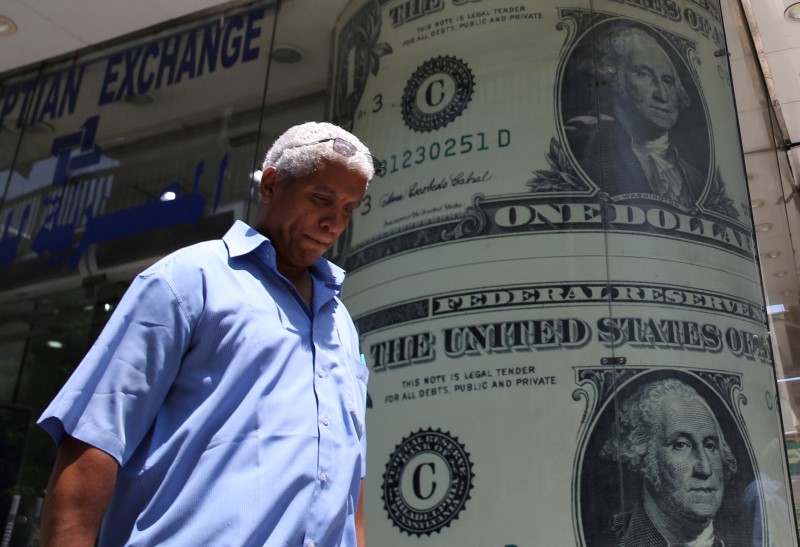
The U.S. Dollar Index retreated slightly as markets digested President Trump's new tariff letters to 14 countries and a flexible extension of trade deal deadlines, which analysts interpreted as an ongoing process towards a trade agreement. European currencies, particularly the Euro, gained on optimism for favorable trade outcomes, even as German exports declined significantly due to prior tariff anticipation. Meanwhile, the Australian dollar surged after the RBA defied expectations by holding rates, citing persistent inflation and global trade uncertainties, while the Japanese yen stabilized following initial tariff-related pressure.
The U.S. dollar is experiencing a modest pullback as financial markets digest mixed signals on U.S. trade policy. The Dollar Index (DXY) slipped 0.2% to 96.910 after President Trump issued new tariff threats to 14 nations but simultaneously extended negotiation deadlines with a notable degree of flexibility. This has led market participants, including analysts at ING, to interpret the moves as negotiating tactics rather than definitive policy, forecasting a consolidation for the DXY within a 96.50-98.00 range ahead of the June CPI release. Currency markets are exhibiting significant divergence based on specific trade exposures and domestic monetary policy. The Euro (EUR/USD) has strengthened 0.5% to 1.1761 on optimism that the European Union, which was not targeted by the latest letters, can secure a favorable trade deal. This sentiment-driven rally, however, is contrasted by weak economic data, evidenced by a 1.4% month-over-month decline in German exports in May, dragged down by a 7.7% drop in exports to the U.S. Meanwhile, the Australian dollar (AUD/USD) surged 0.7% to 0.6543 after the Reserve Bank of Australia defied expectations by holding interest rates steady, citing persistent inflation concerns and global economic risks from trade tariffs. The Japanese yen (USD/JPY) has stabilized around 146.10 after an initial drop, reflecting Japan's position as a direct recipient of a U.S. tariff letter.
AI-powered research, real-time alerts, and portfolio analytics for institutional investors.
Overall Sentiment
mixed
Sentiment Score
0.00
Ticker Sentiment
