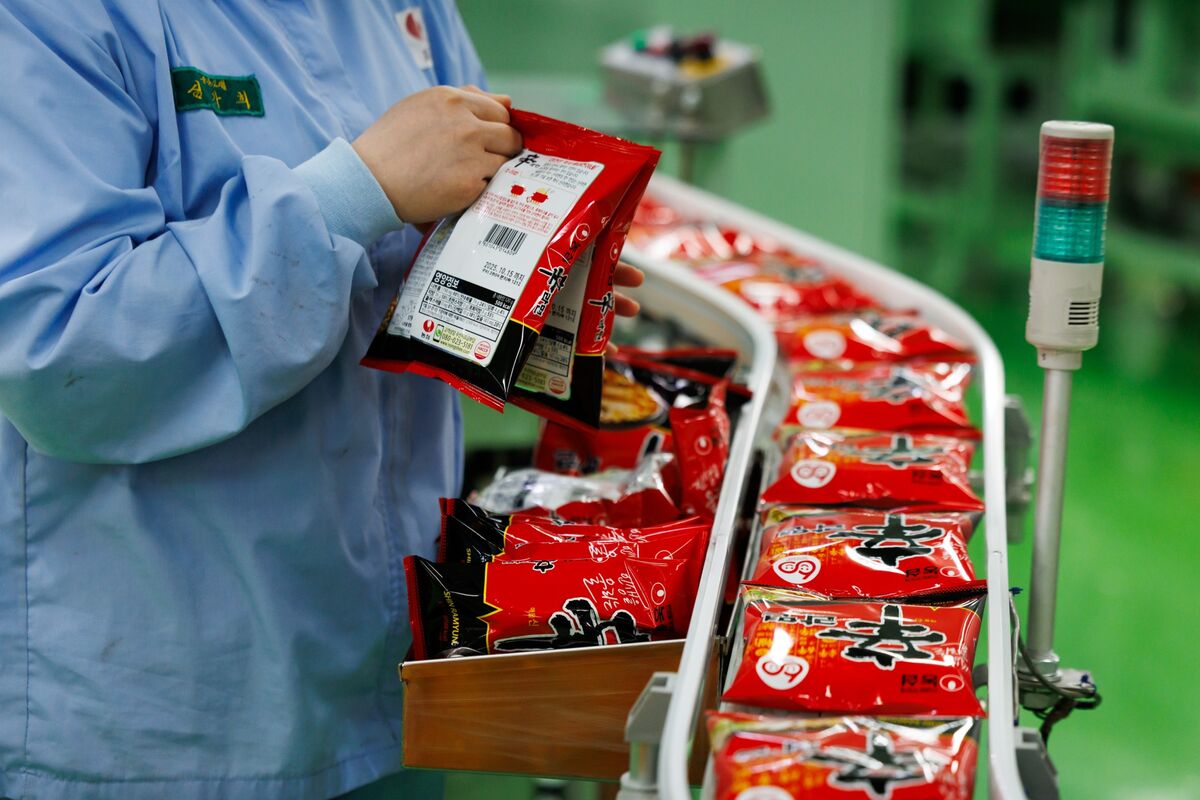
LG Chem temporarily suspended one of three naphtha cracking units (≈33% of its cracking units) as shortages of Middle Eastern crude have throttled naphtha supplies. The disruption threatens downstream production of plastics used in everyday goods (trash bags, instant noodles) and could force wider production cuts across South Korea's chemical sector, pressuring supply and petrochemical margins.
A naphtha-driven squeeze in South Korea is a classic supply-chain shock with concentrated upstream leverage and broad downstream fragility. Expect polymer spreads (especially for PE/PP) to widen in the next 1–3 months as cracker outages force spot polymer prices higher while finished-goods supply lags, creating margin upside for producers who can source feedstock externally.
Second-order winners are commodity traders and integrated producers with flexible feedstock capability (ability to run LPG/ethane vs naphtha) and global trading desks that can arbitrage regional dislocations; losers are local mono-feed crackers and downstream converters with limited inventory who face forced idling and lost shelf-share. Over 3–6 months this can translate into SKU-level shortages for low-value, high-volume consumer items (trash bags, single-serve noodles), pressuring retail promotions and forcing manufacturers to either absorb higher input costs or ration product, both of which reverberate through grocery margins.
Key catalysts to monitor: arrival manifests for naphtha cargoes into NE Asia, insurance/premium moves on Gulf shipping lanes, and announcements from alternate feedstock suppliers signaling ramp-up capacity. Reversal risks are concrete—rapid re-routing of cargoes, emergency imports, or political interventions could normalize flows within 4–8 weeks and quickly compress inflated spreads, turning the current scarcity premium into a short-lived trading opportunity.
AI-powered research, real-time alerts, and portfolio analytics for institutional investors.
Overall Sentiment
moderately negative
Sentiment Score
-0.45
