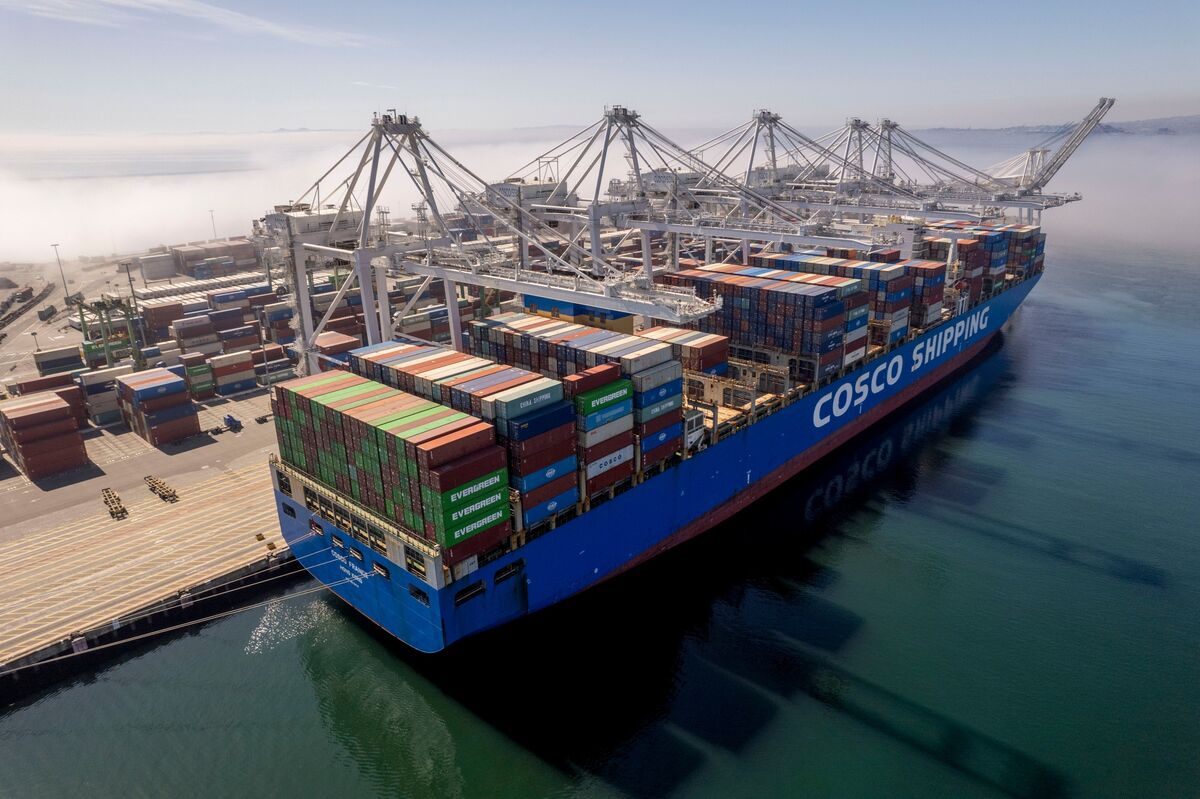
China's state-owned Cosco is reportedly seeking veto rights in its proposed acquisition of Li Ka-shing's overseas port assets, indicating a strategic intent to secure significant operational control over critical global logistics infrastructure. This move highlights Beijing's continued efforts to expand its international trade influence and potentially reshape global supply chain dynamics.
China's state-owned enterprise, Cosco, is reportedly seeking veto rights in a potential acquisition of overseas port assets from Li Ka-shing, signaling a strategic intent that transcends a simple equity investment. This pursuit of veto power indicates a desire for significant operational and strategic control over critical global logistics infrastructure. The move aligns with a broader geopolitical theme of Beijing expanding its influence over international trade routes and key supply chain nodes. As a state-backed entity, Cosco's potential to exercise such control could reshape supply chain dynamics and priorities for these ports. The neutral tone of the report suggests this is a factual development, while its moderate market impact score highlights its significance for the M&A, transportation, and infrastructure sectors, warranting close observation by market participants.
AI-powered research, real-time alerts, and portfolio analytics for institutional investors.
Request DemoOverall Sentiment
neutral
Sentiment Score
0.00
