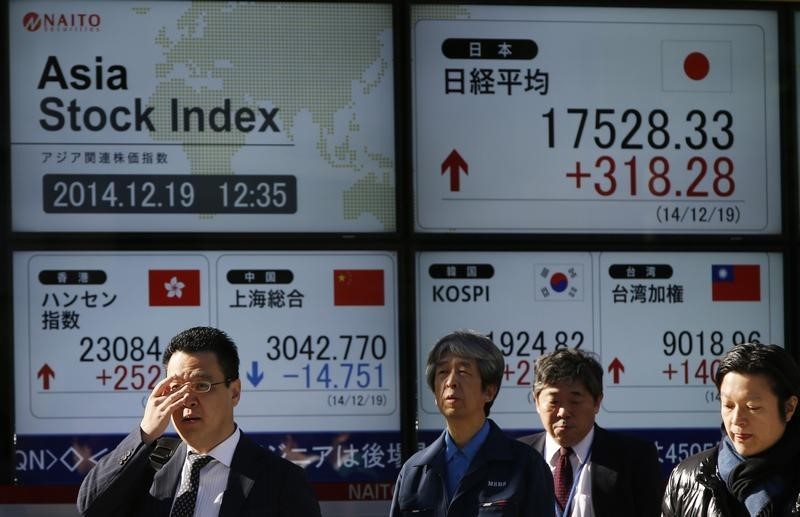
Asian markets presented a mixed picture on Thursday, with Japan's Nikkei 225 gaining 0.8% after the Bank of Japan held interest rates steady but signaled potential future hikes and upgraded its inflation and GDP outlook. Conversely, Chinese equities, led by the Shanghai Composite's 1.1% decline, fell on weaker-than-expected manufacturing and non-manufacturing PMI data indicating economic contraction. Regional sentiment was further impacted by escalating U.S. trade tensions, including new tariffs announced on South Korea, India, and certain industrial products ahead of an August 1 deadline, though robust earnings from Meta and Microsoft buoyed U.S. stock index futures during Asian trading.
Asian markets exhibit significant divergence, shaped by conflicting monetary policy, economic data, and escalating U.S. trade actions. Japan's Nikkei 225 gained 0.8% as the Bank of Japan maintained its current interest rates but signaled future hikes contingent on economic progress, concurrently raising its 2025 inflation and GDP outlook. This positive sentiment contrasts sharply with China, where the Shanghai Composite fell 1.1% and the CSI 300 dropped 0.7% on the back of July manufacturing PMI data that contracted more than expected, indicating persistent weakness in domestic demand despite recent stimulus efforts. The broader regional tone remains cautious, influenced by the U.S. Federal Reserve holding rates steady and the looming August 1 tariff deadline. Washington's new protectionist measures, including a 15% tariff on South Korea, a 25% tariff on India, and a 50% tariff on specific industrial goods, have dampened sentiment in affected markets like the KOSPI, which fell 0.4%. A notable counter-current was the positive performance of U.S. stock futures, buoyed by robust earnings reports from Meta and Microsoft.
AI-powered research, real-time alerts, and portfolio analytics for institutional investors.
Overall Sentiment
mixed
Sentiment Score
-0.15
Ticker Sentiment
