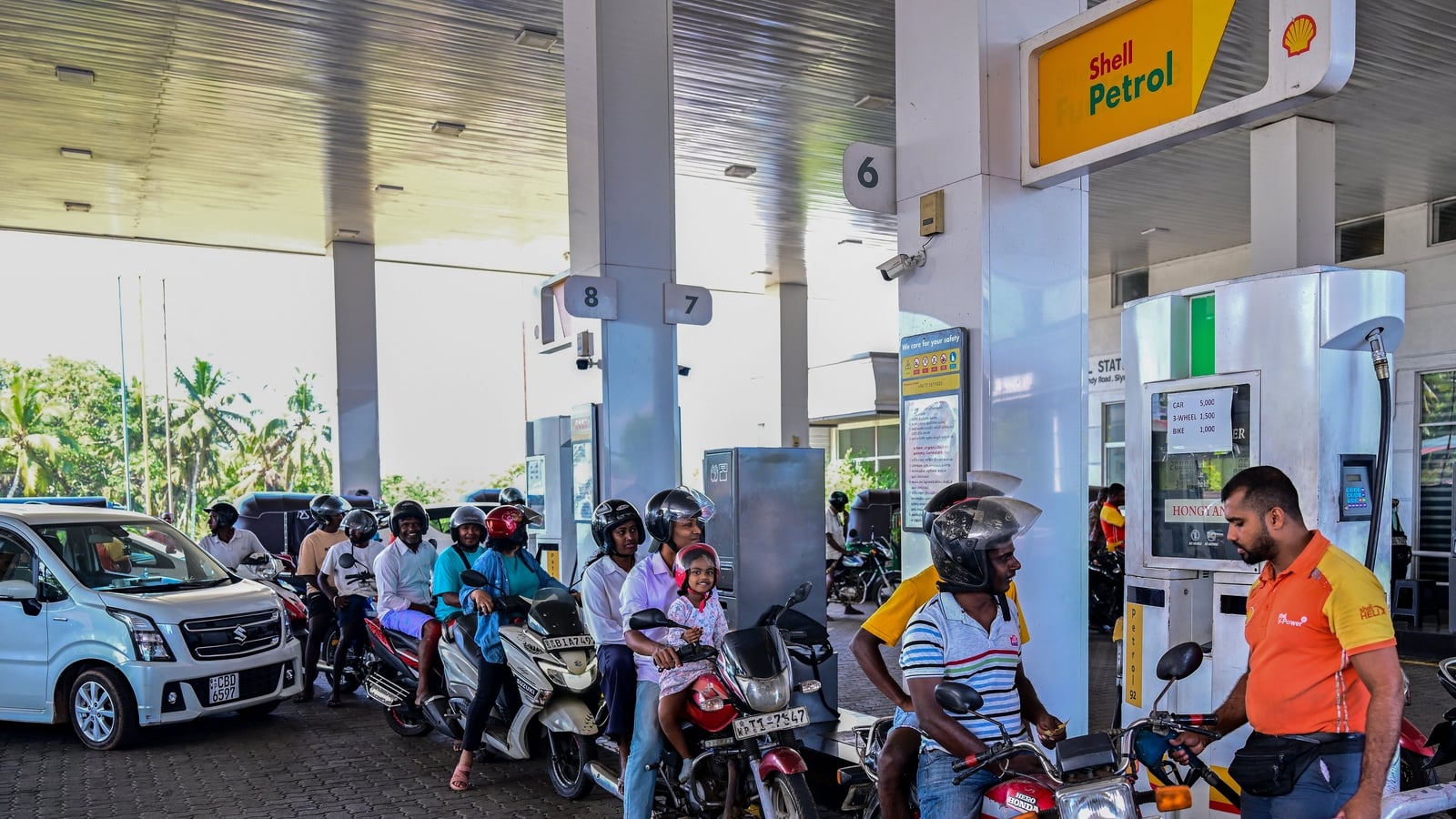
Victoria will make public transport free from tomorrow through the end of April as a temporary measure to ease rising fuel costs linked to the Iran war. Multiple governments are adopting demand-reduction and fuel-sourcing measures: Egypt cut trading hours and says monthly energy bills rose from $560m to $1.65bn, Thailand saw fuel prices jump ~22% after price-cap reversals, and the Philippines declared a national energy emergency on 24 March. Other steps include Sri Lanka instituting a four-day work week, Myanmar imposing even-odd car bans, and South Korea planning to restart five nuclear reactors by May — indicating near-term strain and volatility in energy supply chains and related sectors.
These ad hoc demand-management measures are economically small individually but their value is magnified by breadth and simultaneity: when multiple jurisdictions shave discretionary road-fuel consumption (shorter workweeks, free transit, curfews), the aggregate near-term demand shock compresses refined-product margins and retail fuel volumes by a few percent — enough to pressure thin-margin downstream players and local excise/toll revenues within weeks. The immediate fiscal cost is a second-order balance-sheet event for sub-sovereign issuers: repeated or extended fare waivers force states to reallocate budget lines or issue short-term paper, increasing near-term funding needs and widening spreads vs. Commonwealth debt.
Operationally, expect crowding and modal shift frictions: free transit compresses last-mile demand and reduces car-kilometres but raises peak-capacity strain on urban rail/bus operators, which drives short-term incremental capex or overtime costs rather than instant operating leverage. For corporates, the net winners are footfall-exposed retail/property adjacent to transit nodes and owners of incremental fleet-less mobility (ride-hailing with higher occupancy), while fuel retailers, convenience store sales tied to fill-ups, and toll-road operators face real, measurable churn in volumes over 30–90 days.
Catalysts and reversals are concentrated and fast: a sharp move in Brent above a political pain threshold (60–90 days) or a successful diplomatic de-escalation that lowers shipping risk will prompt governments to retract emergency measures and restore driving incentives, reversing margins quickly; conversely, extension of measures beyond 1–2 months converts transient losses into structural revenue shifts. The consensus underestimates the balance-sheet channel — repeated short-term subsidies create a structural spend precedent that raises long-term fiscal breakeven for state budgets and complicates muni funding dynamics in impacted regions.
AI-powered research, real-time alerts, and portfolio analytics for institutional investors.
Request DemoOverall Sentiment
neutral
Sentiment Score
0.00
