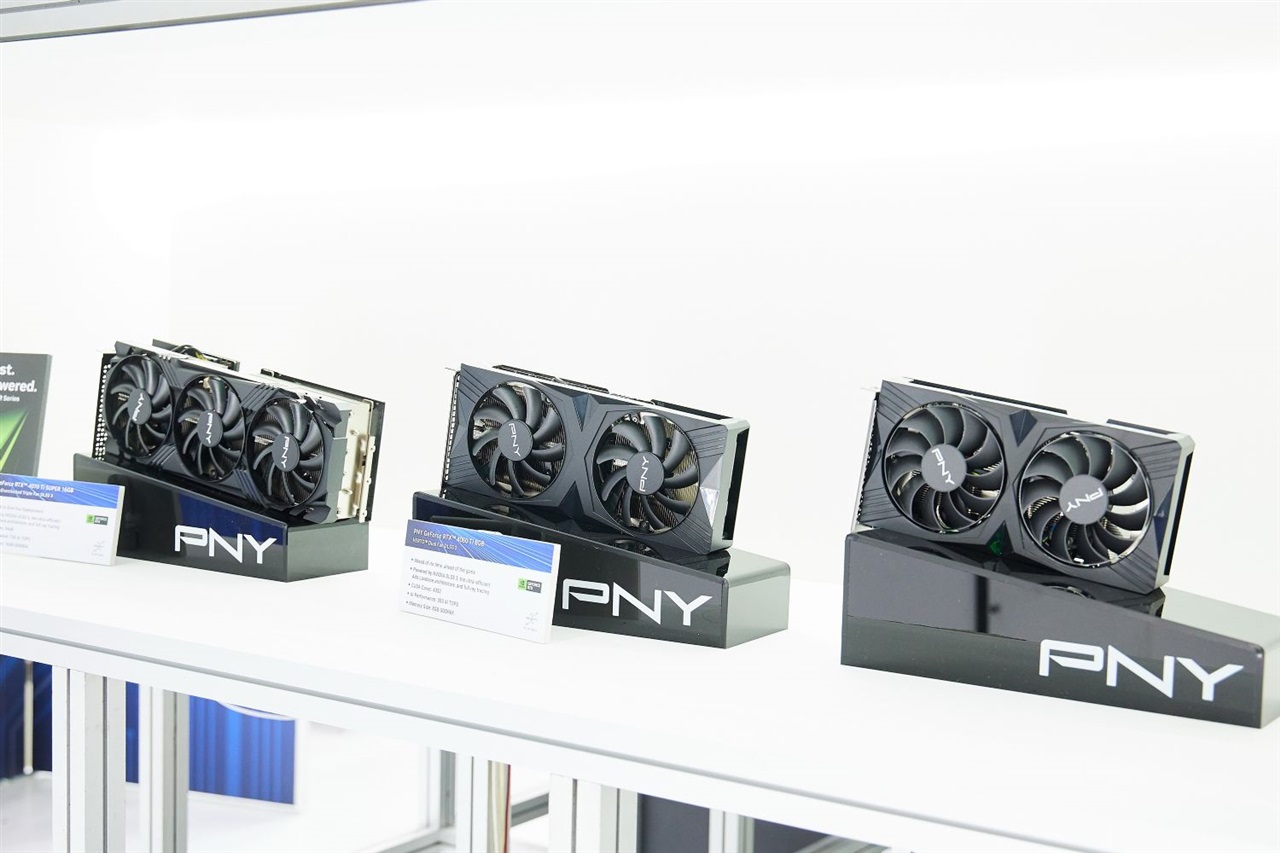
Surging memory costs are expected to push GPU list prices higher, with industry sources saying AMD may begin price increases in January 2026 and Nvidia in February 2026, and further adjustments likely to continue for several months. For investors, the moves imply manufacturers intend to pass rising component costs through to customers, which could protect margins and raise near‑term revenue per unit but may also weigh on demand if higher retail prices depress volume.
Market structure: A sustained memory-cost surge that producers pass through will directly benefit GPU OEMs (NVDA, AMD) and memory suppliers (Micron MU, SK Hynix) by lifting ASPs and potentially adding ~5–15% to GPU prices and ~100–400 bps to gross margins if fully passed through. Losers are price‑sensitive end markets (PC gamers, small cloud buyers) and retailers facing higher inventory write‑downs; secondhand GPU flows will likely expand as buyers delay upgrades.
Competitive dynamics & supply/demand: AMD moving to raise prices in Jan 2026 with Nvidia following in Feb 2026 suggests both have pricing power but Nvidia retains structural premium in high‑end AI GPUs — expect modest share stability in AI datacenter but potential share pressure in mid/low tiers as buyers trade down. Memory price strength signals tight HBM/DRAM supply vs elevated AI demand; if spot memory rises >20% vs today, structural shortage narrative strengthens.
Cross‑asset and risk: Equity upside for semis should lift sector and risk assets, exert mild upward pressure on real yields (inflationary), strengthen KRW/TWD vs USD and push option IV higher for NVDA/AMD. Tail risks: a sudden memory capacity ramp (new fabs) or macro demand collapse could reverse prices by 6–12 months; export controls or antitrust probes around coordinated price increases are low‑probability, high‑impact events.
Trade mechanics & catalysts: Near term (days–weeks) watch Micron/SK Hynix guidance and NVDA/AMD channel inventory comments; earnings windows (next 60–120 days) and memory spot price moves are catalysts that can accelerate or unwind the margin pass‑through. Tactical volatility trades around Jan–Feb 2026 price‑hike dates offer asymmetry versus naked directional exposure.
AI-powered research, real-time alerts, and portfolio analytics for institutional investors.
Request DemoOverall Sentiment
mildly positive
Sentiment Score
0.25
Ticker Sentiment
