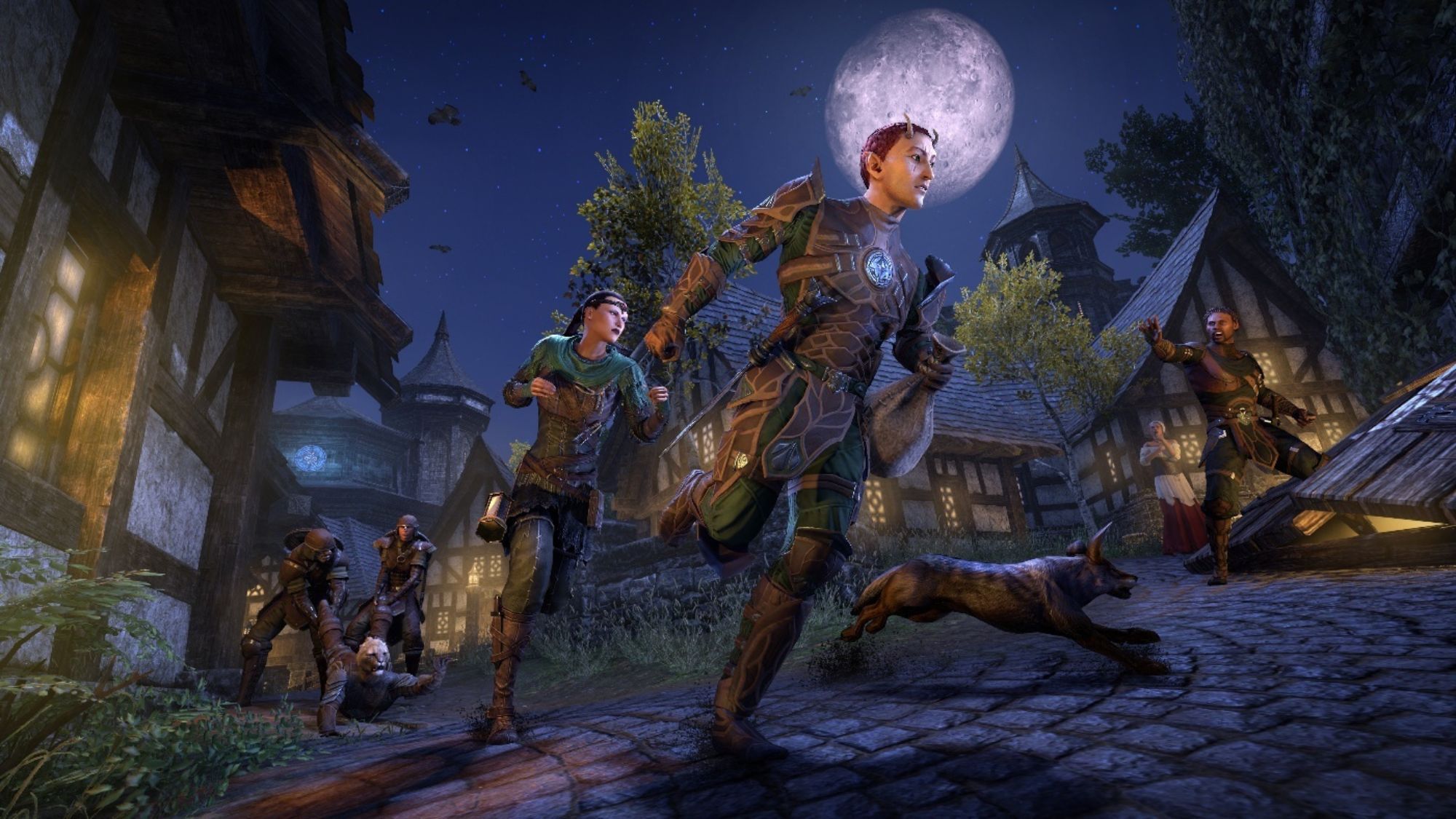
Key event: The Elder Scrolls Online launches on PC Game Pass (and Xbox Play Anywhere) on June 2, potentially increasing Game Pass engagement. The Elder Scrolls Online Collection: Gold Road (base game + major chapters) is free on PlayStation Plus through April 6, and short-term engagement is further supported by the Night Market event on April 29 and two story updates. Longer-term roadmap includes a 2027 content return to Skyrim with the game's first Excursion Zone and dynamic blizzards; these are product and distribution developments with limited near-term market impact on parent/platform revenue.
Moving a large live-service MMORPG onto broader subscription storefronts materially changes customer acquisition economics: trial friction falls and the marginal cost per engaged user shifts from paid-marketing to platform-fee economics. For live-service titles the lever that matters is spend-per-active-user, not unit sales; even a 1–3 percentage-point lift in trial-to-spender conversion or a 5–10% increase in monthly active users can move annual in-game spend by tens of millions for an established IP, improving free-cashflow visibility for the owner.
Second-order winners are the platform and cloud providers that capture recurring revenue and hosting workloads; the publisher benefits only to the extent it retains control of monetization (direct stores, crown/skin economics, subscriptions). Conversely, incumbents that rely on direct-store purchases or single-sale expansion packs face a revenue-timing hit as some high-intent buyers sample via subscriptions instead of paying upfront — that compresses short-term expansion-pack receipts even as it lengthens LTV.
Catalysts cluster into two windows: near-term engagement spikes from platform promotion and limited-time events, and a longer-term retention inflection when major new content drops. Tail risks include weaker-than-expected conversion from trials (if the player cohort from subscription bundles is lower-spending), platform revenue-sharing disputes, or technical scaling costs that push cloud margins lower; any one could flip a modest monetization tailwind into a neutral outcome over 3–12 months.
AI-powered research, real-time alerts, and portfolio analytics for institutional investors.
Overall Sentiment
mildly positive
Sentiment Score
0.25
