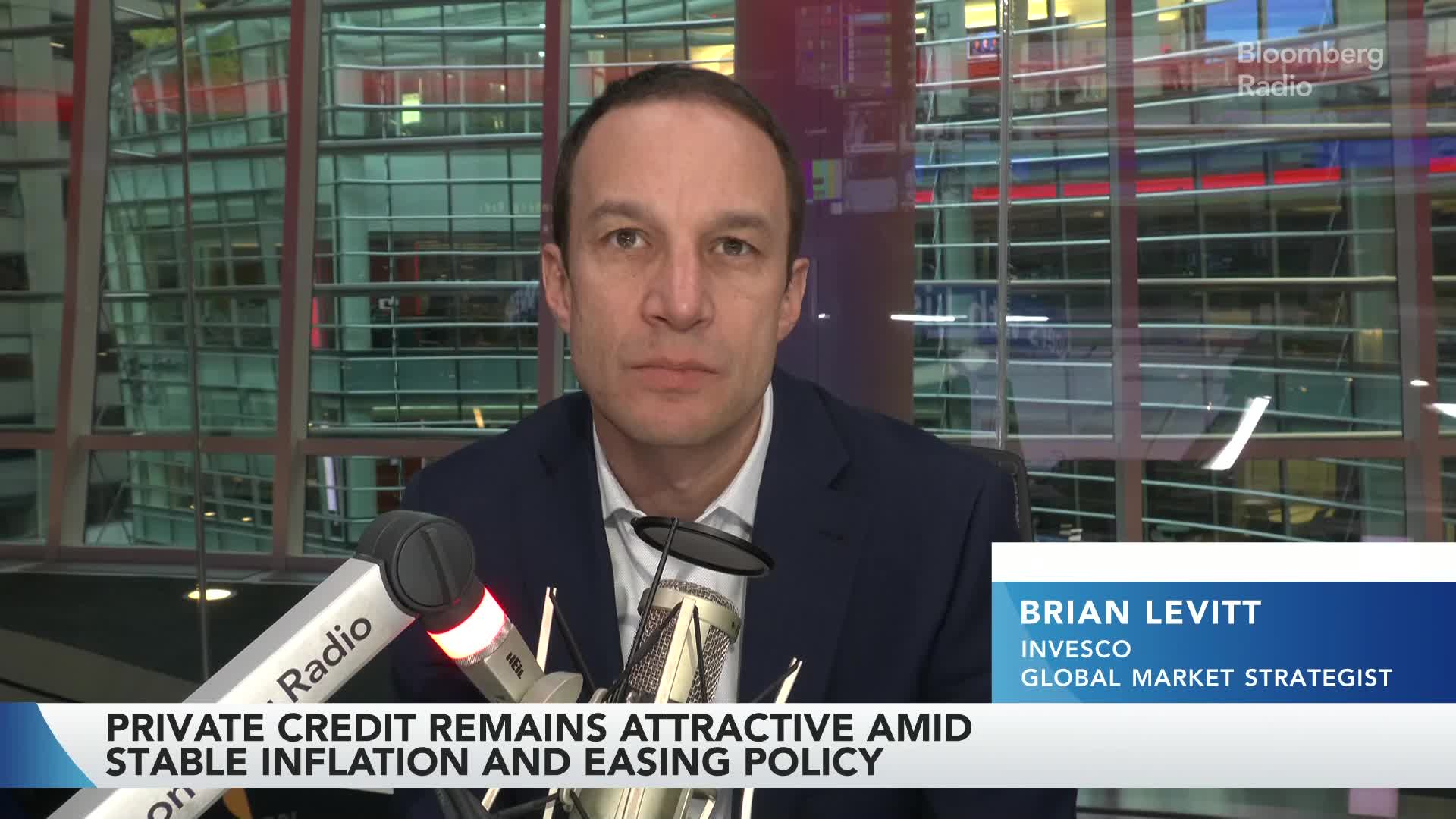
Expectations for 2026 center on a pickup in global activity driven by fiscal support and U.S. policy easing, which should prompt Fed rate cuts, yield-curve steepening and limited upward pressure on the dollar—conditions seen as favorable for developing markets. Portfolio implications include sector rebalancing from pure growth into mid-cap and value strategies, and continued interest in private credit where yields around 7–8% are viewed as attractive and idiosyncratic risk from recent high-profile names is not deemed systemic.
Market structure: An easing Fed + weaker USD should favor EM equities (EEM), EM local-currency debt (EMLC/EMB), cyclical midcaps (MDY/VO), financials (XLF) and private credit managers (ARES, BX, KKR). Losers: long-duration, richly valued mega-cap growth (QQQ, especially unprofitable tech) and USD-funded carry trades; corporate borrowing costs fall which compresses credit spreads but increases competition for yield. Cross-asset: bond yields should fall 50–150bp in a true easing cycle, steepening the curve; options vol (VIX) may compress, reducing premium for long-dated protection; commodities (copper, oil) likely to rise 10–25% on activity pickup.
Risk assessment: Tail risks include no Fed easing (rates unchanged or hikes) causing USD strength and EM stress; a China hard-landing that collapses EM trade flows; or a systemic private-credit shock from a major default or leverage event. Immediate (days): market reaction to Fed minutes/CPI; short-term (weeks–months): positioning flows into EM and midcaps; long-term (quarters–years): valuation re-rating and capital reallocation into private markets. Hidden dependencies: fiscal stimulus size, China stimulus execution, and corporate earnings leverage to rates; private credit valuations depend on liquidity and covenants more than headline yields. Key catalysts: FOMC dots, US CPI/PCE surprises, China PMIs, and any headline private-credit distress within 30–90 days.
Trade implications: Establish modest pro-cyclicals: overweight EM equities (EEM) and midcap/value (MDY/VO) while trimming mega-cap growth (QQQ) — reallocate 3–5% within 1–3 months. Add 3–5% allocations to private credit managers (ARES, BX) or liquid BDCs (ORCC) targeting 7–9% net yields with 3–5 year lockups; use EMB/EMLC for EM debt exposure. Pair trades: long MDY (midcap cyclical) vs short QQQ (mega-cap growth) sized 1:1 for 6–12 months. Options: buy 6–12 month EEM call spreads (e.g., buy 12-month 10% OTM, sell 20% OTM) to cap cost. Reduce IG duration (trim LQD duration by ~1–2 years) and redeploy into HYG/EMB by 2–4% if curve steepens.
Contrarian angles: Consensus assumes Fed easing without inflation re-acceleration — if inflation re-surfaces, midcap/value and EM trades invert quickly and private credit faces markdowns; that risk is underpriced. The private-credit "safe" narrative may be overdone: covenant erosion and liquidity mismatches can create clustered downgrades if defaults rise >150–200bp above base case. Historical parallel: 2016 easing saw EM and cyclicals lead but with two false starts; expect knee-jerk rallies followed by mean reversion until policy is delivered and China demand confirms recovery.
AI-powered research, real-time alerts, and portfolio analytics for institutional investors.
Request DemoOverall Sentiment
moderately positive
Sentiment Score
0.50
