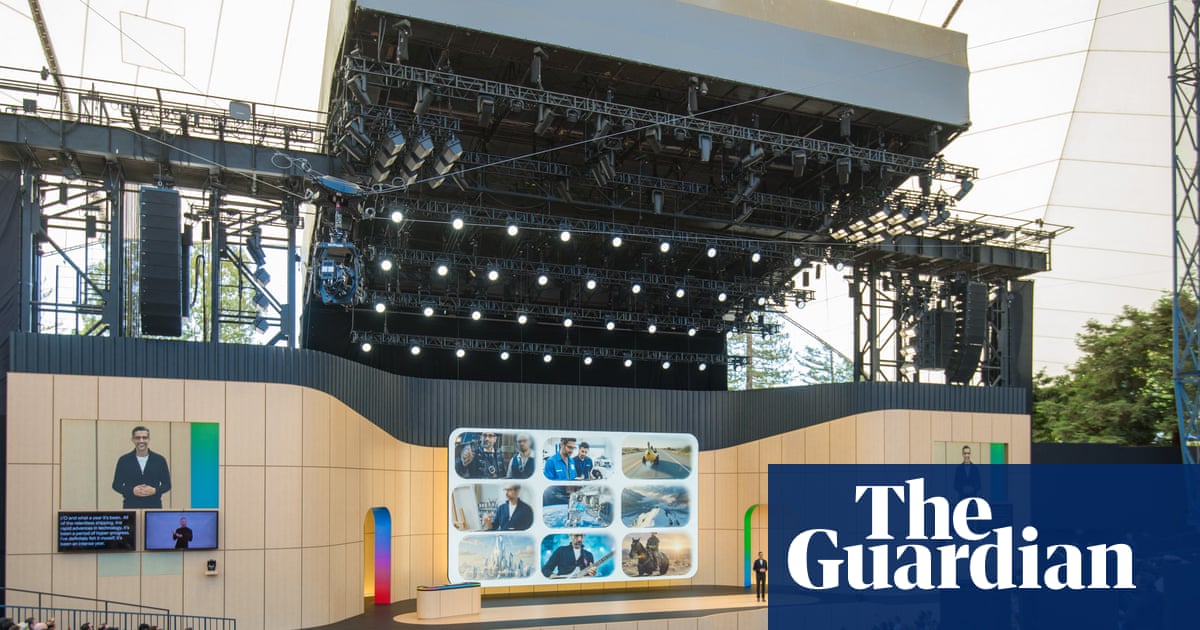
Google unveiled a major AI-driven overhaul of Search, adding longer natural-language queries, AI-generated actions, and global rollout of AI Mode enhancements powered by Gemini 3.5. The company also introduced new consumer AI features including information agents, Gemini Spark, and intelligent eyewear developed with Samsung, Warby Parker, and Gentle Monster. The announcements broaden Google’s AI footprint across search, productivity, and wearables, with potential implications for consumer adoption and competitive positioning against Meta and OpenAI.
This is less a product launch than a distribution reset: Google is using Search to collapse the distance between query, answer, and action. The second-order effect is that monetization may improve even if classic link-click volumes soften, because intent is being captured earlier in the funnel and routed into higher-value workflows inside the Google ecosystem. That shifts the battleground from “best search results” to “best task completion layer,” which is structurally favorable to GOOGL as long as users accept AI-mediated answers without materially reducing trust. The biggest competitive implication is not versus a single chatbot, but versus the entire app layer that currently handles planning, shopping, scheduling, and lightweight research. If Google can turn Search into a persistent assistant, it can reclaim daily engagement that might otherwise leak to standalone AI apps. The risk is that AI answers cannibalize high-margin search ads faster than new AI-native formats monetize, creating a 6-12 month P&L lag even if usage remains strong. For wearables, the opportunity is real but timing matters: the category is still a software-and-commerce problem disguised as hardware. WRBY benefits from distribution and fashion credibility, but the real economic value accrues only if the devices become socially acceptable, battery-life reliable, and usefully hands-free in daily life; that is more of a 12-24 month adoption curve than a near-term revenue inflection. META remains the cleaner incumbent in consumer AI glasses, but Google’s entry raises the odds of category normalization, which is bullish for the whole supply chain and lowers the stigma hurdle that previously suppressed demand. Contrarian view: consensus is probably underestimating how quickly Google can ship AI features, but overestimating how quickly consumers will pay for them. The near-term upside is greatest in narrative and multiple support, not necessarily in immediate earnings acceleration. On the flip side, if Gemini-powered Search meaningfully increases session frequency and ad load tolerance, the operating leverage could surprise to the upside over the next 2-3 quarters.
AI-powered research, real-time alerts, and portfolio analytics for institutional investors.
Request DemoOverall Sentiment
mildly positive
Sentiment Score
0.35
Ticker Sentiment
