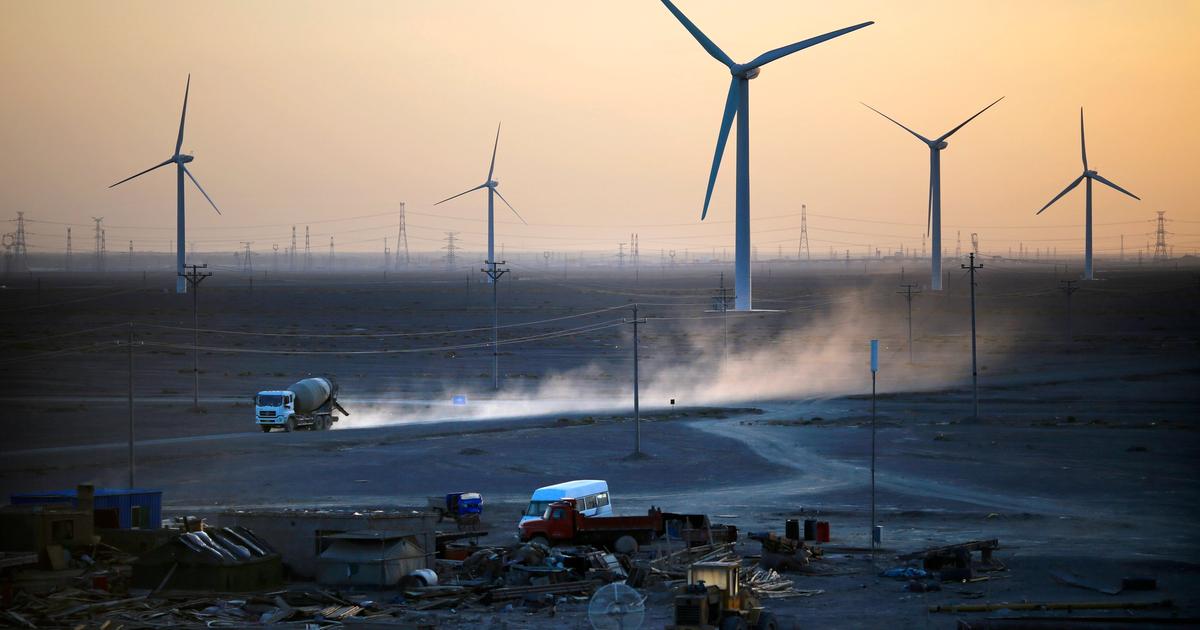
China supplies >70% of global green hardware and renewables accounted for 85% of new global power capacity last year. The Iran war has pushed crude to multi-year highs and disrupted LNG, accelerating adoption of solar, wind, batteries and EVs—Geely shares are up ~30% and CATL ~28% since the conflict began. Expect materially higher demand for Chinese-made clean-tech, heightened supply-chain and national-security risks for Europe, and increased political pressure for subsidies to shore up non-Chinese green industries.
China’s dominance in green hardware is creating a durable structural arbitrage: manufacturers inside China can undercut global peers on price while capturing incremental processing and assembly margin. Expect an effective “cost floor” advantage of 10–25% on cells/modules/packaged batteries over non‑Chinese competitors for the next 12–36 months, driven by scale, localized input processing and lower capex-per-GWh at brownfield sites.
A near-term surge in demand driven by energy-security anxiety will benefit raw‑material suppliers, but only temporarily. Miners of lithium, copper and polysilicon should see sizable price inflows over 3–12 months; however, Chinese processors/refiners are positioned to structurally retain a larger share of value thereafter, meaning miners’ long‑term pricing power will be capped unless they vertically integrate or sign long-duration offtakes.
Policy responses create a bifurcated market risk: Western onshoring subsidies and security-driven procurement bans can generate two distinct supply pools (China and “trusted” domestic supply) within 6–24 months, producing oversupply and price compression in the Chinese export channel while elevating capex returns for Western manufacturers that secure local content support. This dynamic favors targeted long exposure to scalable Chinese exporters while hedging with positions in Western onshore beneficiaries of subsidy regimes.
Key reversals: a rapid diplomatic restoration of Middle East energy flows, successful repair of LNG/export infrastructure, or aggressive protectionist measures in the EU/US could materially reverse current flows within 3–12 months. Conversely, sustained attacks/instability or accelerated subsidy rollouts would entrench Chinese share gains and lengthen the window for outsized returns in Chinese supply chain names over 12–36 months.
AI-powered research, real-time alerts, and portfolio analytics for institutional investors.
Request DemoOverall Sentiment
moderately positive
Sentiment Score
0.45
