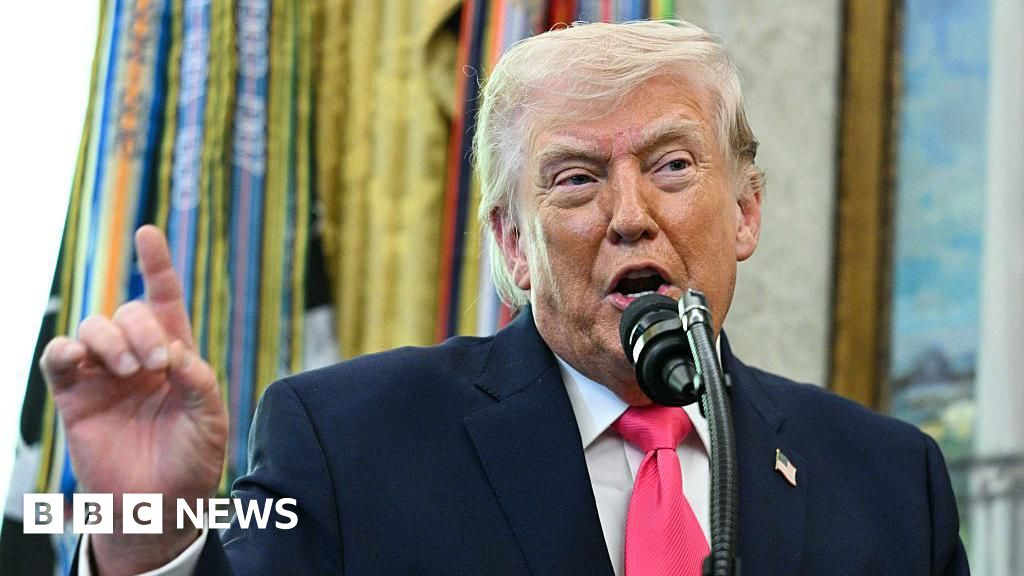
President Trump announced a 10-day extension to pause attacks on Iranian energy infrastructure, temporarily reducing immediate escalation risk but keeping geopolitical tension high. The pause comes as roughly 2,000 US Marines are en route from Japan, several thousand paratroopers from California are deploying, and reports cite a possible additional 10,000 troops — while the Strait of Hormuz remains largely closed to merchant traffic. Expect short-term market calm around the announcement, but elevated risk-off volatility for oil, shipping and related sectors persists given the potential for rapid escalation.
Elevated chokepoint risk re-prices three markets on different time horizons: physical crude markets (days–weeks), tanker freight & insurance (weeks–months), and defense/strategic-capex (quarters–years). In the near term, traders should expect oil to trade with a higher realized volatility band and an embedded supply-risk premium equivalent to a 10–30% shock scenario, even if incremental supply can be patched from strategic reserves or spare OPEC barrels.
Maritime economics are a key second-order lever: longer voyages and war-risk surcharges increase bunker consumption and per-tonne transport cost, mechanically lifting tanker TCEs and spot freight for VLCCs and LNG carriers; a 10–20% increase in voyage duration translates to a material (20–50%) uplift in spot shipping revenue for owners. Insurers and reinsurers will repricing tail-risk, creating an earnings impulse for Bermuda-listed reinsurers and war-risk underwriters over the next 1–4 quarters.
Defense primes are a medium-term beneficiary as governments shift from contingency signaling to durable capex — expect contract acceleration, higher FCF visibility, and M&A optionality over 6–24 months, but realize revenue recognition lag means equity moves will trail headline risks. Conversely, oilfield-service and offshore drilling equities face asymmetric downside if shipping routes and insurance costs compress E&P logistics margins and delay offshore programs.
Practical positioning should be option-defined and time-boxed: short windows capture price-of-fear, while longer duration exposure is warranted only where backlog visibility supports earnings growth. Catalysts that will unwind premiums include coordinated spare-capacity releases, rapid diplomatic confidence signals, or a sustained drop in G-Zero shipping disruptions; those reversals can occur inside 2–8 weeks and would be violent for convex positions.
AI-powered research, real-time alerts, and portfolio analytics for institutional investors.
Request DemoOverall Sentiment
moderately negative
Sentiment Score
-0.45
