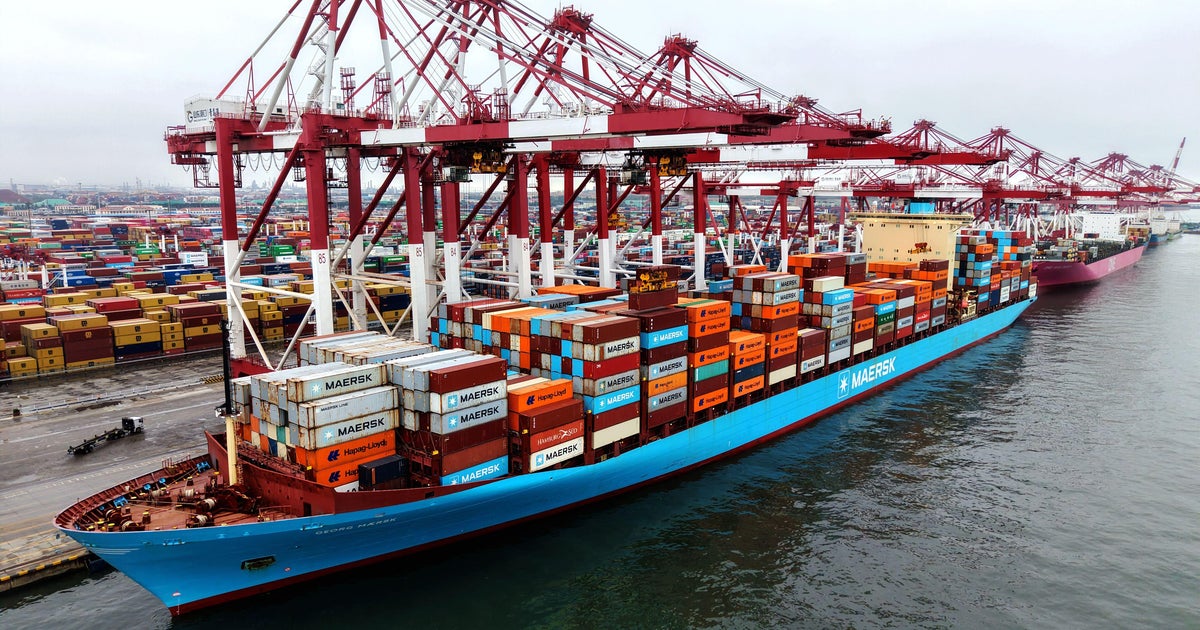
The U.S. has criminally charged seven Chinese executives and four shipping-container companies in a pandemic-era price-fixing case tied to about $35 billion of global commerce. Prosecutors allege the firms coordinated to choke supply and dramatically raise container prices during the COVID-19 disruption. The case is a material legal and reputational overhang for the named companies and underscores ongoing antitrust scrutiny of supply-chain behavior.
This matters less as a single legal headline and more as a signal that the post-pandemic freight dislocation is still being re-litigated through antitrust, creating a new overhang on container-equipment pricing discipline. Even if the criminal case never expands beyond the named firms, the practical effect is to chill coordinated capacity management across an industry that already trades on cyclical scarcity rather than steady growth. That typically compresses forward valuation multiples for the entire logistics complex because investors begin to price in a lower probability of sustained supernormal margins.
The second-order winner is anyone whose costs were inflated by container scarcity and who can now re-negotiate with suppliers or diversify sourcing. Importers with high unit freight sensitivity, ocean-forwarding intermediaries, and 3PLs with flexible vendor networks should see a modest margin tailwind as procurement teams become more aggressive on contract terms. The loser set is broader than the indicted firms: any equipment lessor, container lessor, or niche logistics provider exposed to China-linked supply chains could face longer sales cycles, more price transparency, and reduced willingness from customers to sign long-dated commitments.
The key catalyst horizon is months, not days: headlines alone can pressure sentiment, but the real earnings impact only emerges if customers delay orders, regulators widen discovery, or civil follow-on actions force reserves. Tail risk runs to the upside for shippers if this becomes a template for broader enforcement against freight coordination, because that would reduce the industry's ability to pass through pricing spikes in future disruptions. The market may be over-discounting the immediate earnings hit and under-discounting the reputational cost to Chinese industrial exporters with U.S. revenue exposure.
The contrarian view is that this is not a clean bearish call on shipping demand; it is a bearish call on pricing power. If global trade volumes stabilize and container utilization normalizes, enforcement risk can actually accelerate a healthier competitive reset, which is constructive for downstream commerce and neutral-to-positive for freight demand over a 6-12 month window. In that case, the real trade is not a macro short of logistics, but a relative-value short against the highest-margin, most concentration-dependent equipment names.
AI-powered research, real-time alerts, and portfolio analytics for institutional investors.
Request DemoOverall Sentiment
moderately negative
Sentiment Score
-0.35
