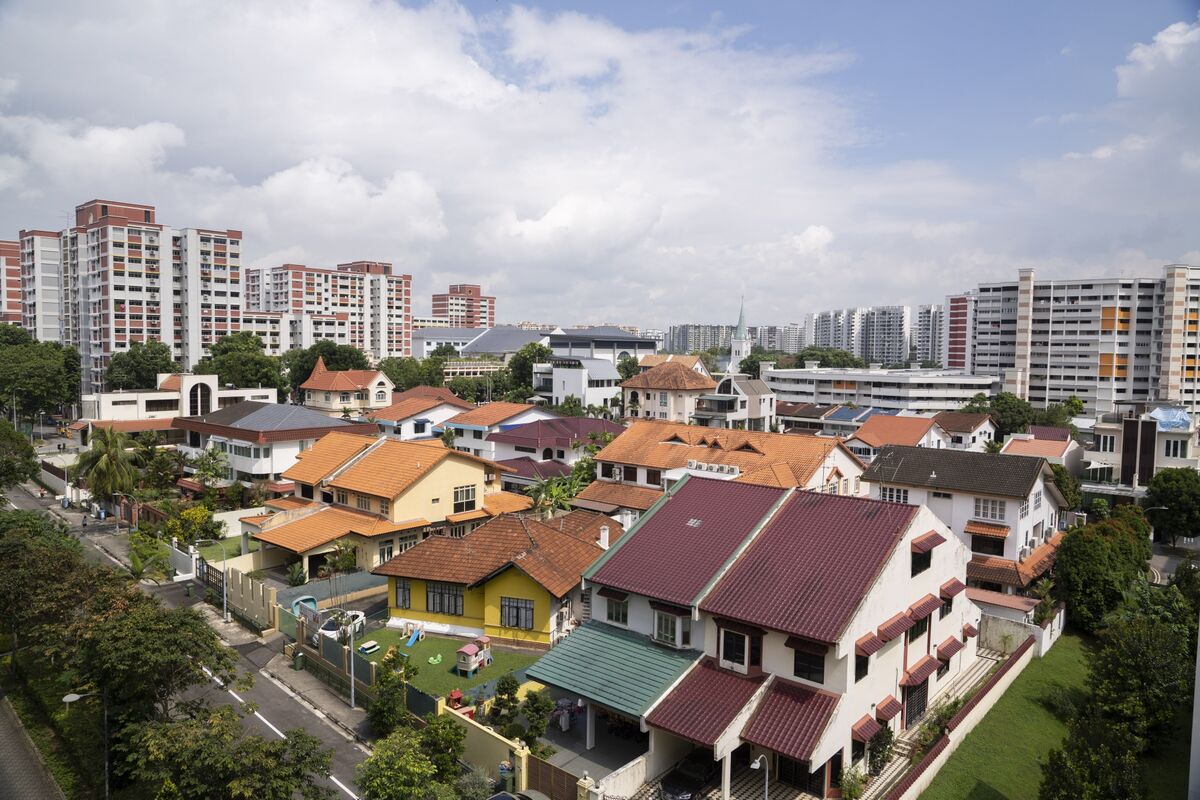
Singapore has tightened its housing market regulations, effective Friday, by increasing the stamp duty on private residential properties sold within four years. This measure, announced jointly by the Ministry of National Development, Ministry of Finance, and Monetary Authority of Singapore, aims to curb speculative activity and cool rapid price appreciation in the city-state's real estate sector.
Singaporean authorities have implemented a targeted macroprudential measure to cool the housing market by increasing the stamp duty on private residential properties sold within four years. This coordinated action by the Ministry of National Development, Ministry of Finance, and the Monetary Authority of Singapore signals a strong government commitment to curbing speculative activity and tempering rapid price appreciation. The policy specifically penalizes short-term property flipping, which is likely to increase transaction friction and may dampen investor demand. The immediate implementation of these changes will likely lead to a near-term slowdown in transaction volumes as the market digests the new cost structure. This regulatory tightening introduces a headwind for the real estate sector, reflected in the mildly negative sentiment, as it aims to deliberately slow the pace of market growth.
AI-powered research, real-time alerts, and portfolio analytics for institutional investors.
Request DemoOverall Sentiment
mildly negative
Sentiment Score
-0.25
