The US investment-grade primary bond market is experiencing its busiest September on record, with monthly sales reaching $172.3 billion, already surpassing last year's full-month total. This surge is driven by corporations capitalizing on falling borrowing costs and robust investor demand, which has pushed spreads to their tightest level in nearly three decades, signaling a highly favorable environment for corporate financing.
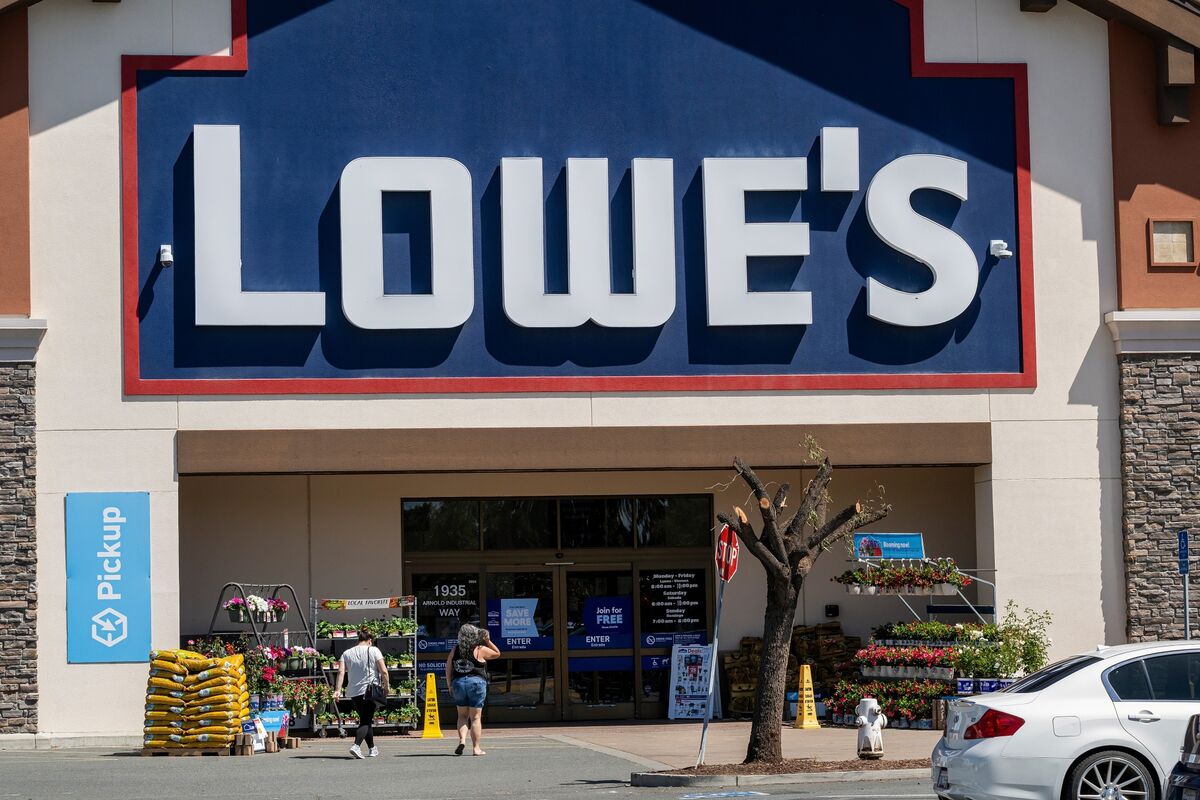
The US investment-grade primary bond market is experiencing unprecedented activity, having already set a new issuance record for September with sales reaching $172.3 billion, surpassing the $170 billion total for the entire month last year. This surge is driven by a powerful combination of falling borrowing costs and exceptionally strong investor demand, a dynamic that corporations like Lowe’s Cos. and Enel SpA are actively leveraging. The intensity of this demand is underscored by credit spreads compressing to their tightest levels in nearly three decades. This indicates a very high appetite for corporate debt and a low market-perceived risk, creating an optimal issuance window for companies to secure long-term capital at highly favorable rates.
AI-powered research, real-time alerts, and portfolio analytics for institutional investors.
Request DemoOverall Sentiment
strongly positive
Sentiment Score
0.85
Ticker Sentiment
