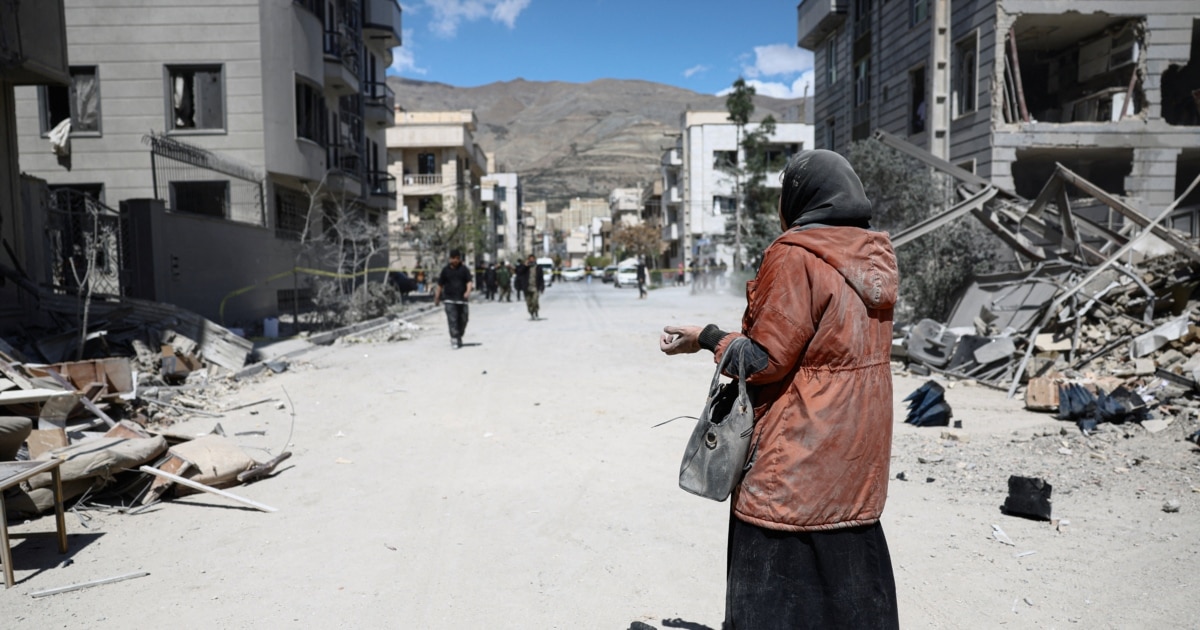
Iranian President Masud Pezeshkian said Iran 'possess[es] the necessary will' to end the war with the US and Israel if conditions (including guarantees) are met, spurring a US market lift and a dip in oil prices. The US has proposed a 15-point plan (including dismantling Iran's nuclear facilities and limiting missiles); Iran says it is reviewing that plan and has presented five conditions, while publicly denying formal negotiations. China and Pakistan signaled joint efforts to broker de-escalation even as US forces continue to build in the Middle East; the conflict has killed thousands across at least nine countries and is costing global economies billions of dollars a day. Major obstacles remain, notably US insistence on extensive nuclear restrictions and Iran's view of those demands as sovereignty and deterrence issues.
Market signals have begun to price a non-linear path where diplomatic progress is binary: modest verbal breakthroughs can compress a sizeable portion of the "geopolitical risk" premium in oil and insurance markets within days, while any credible rollback of sanctions would exert structural downward pressure on energy prices over 3–9 months. Quantitatively, a visible de‑escalation could remove 5–15% of near‑term Brent risk premium within 2–6 weeks; if sanctions relief allows ~0.5–1.0 mbpd of incremental crude/LNG to re‑enter global markets, that adds a further multi‑month 5–12% drag on prices.
Second‑order winners include sectors that suffer most from war‑risk frictions: commercial shipping and airfreight (lower war‑risk insurance and rerouting costs), airlines (fuel cost relief + reopening demand), and regional trade hubs that benefit from normalized insurance/finance corridors; losers are pure oil producers leveraged to spot prices and defense contractors priced for sustained conflict. Importantly, positioning is asymmetric — implied volatility in energy and defense stays elevated, so option sellers can capture rich time premium, but tail events (sudden strike or escalation) can quickly flip P/L.
Primary catalysts to watch: (1) demonstrable, verifiable concessions vs mere messaging (days–weeks), (2) force posture changes on the ground (days), and (3) formal sanctions unwind timelines and logistics (3–9 months). The largest reversal risk is a domestic political veto or a tactical military incident that resets risk premia higher almost instantly; manage sizing and use options to limit gap risk.
AI-powered research, real-time alerts, and portfolio analytics for institutional investors.
Request DemoOverall Sentiment
mixed
Sentiment Score
0.05
