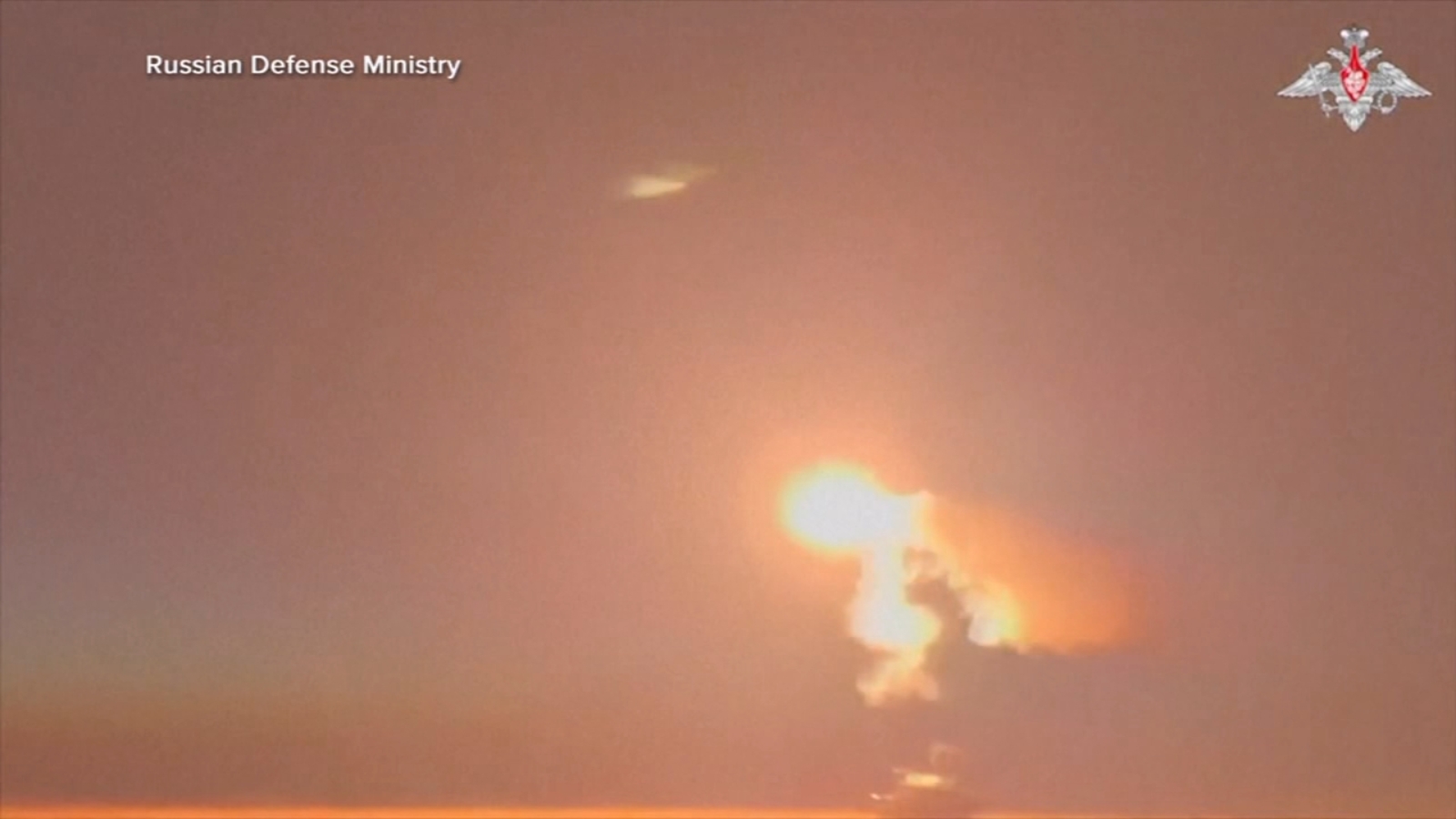
Russian forces launched a large-scale overnight strike on Kyiv using ballistic missiles and drones (Ukraine reports 519 drones and 40 missiles), killing at least one, wounding 27 and damaging multiple residential buildings and energy infrastructure, producing extensive power outages affecting hundreds of thousands. The attack — including reported use of Kinzhal hypersonic missiles — heightens geopolitical risk ahead of a planned Zelenskyy-Trump meeting on security guarantees and territorial concessions, while Canada announced $1.8bn in assistance intended to unlock IMF/World Bank reconstruction financing. Markets should price heightened regional geopolitical and energy-supply risk, potential near-term volatility in European energy and emerging-market assets, and increased uncertainty around reconstruction funding and security assurances.
Market structure: The strike raises near-term risk premia in energy, defense and safe-haven assets — expect a 3–8% knee-jerk move higher in Brent/WTI and 5–15% rallies in large-cap defense contractors on confirmed US security commitments within 1–4 weeks. European travel, airlines and regional banks near Ukraine/Poland (CE exposure) suffer revenue and credit-pressure risks; expect wider CDS and FX stress in neighboring EMs. Energy-infrastructure damage in Kyiv tightens local electricity/diesel demand but is unlikely to disrupt global hydrocarbon supply unless sanctions escalate.
Risk assessment: Tail risks include escalation to NATO airspace incidents or a targeted sanctions-driven European energy cutoff (low-probability, high-impact) — model a 10–20% shock to European gas/electricity prices and correlated equity drawdowns. Immediate (days): market-wide volatility spike and USD rally; short-term (weeks–months): re-rating of defense capex and commodity cyclicals; long-term (quarters–years): reconstruction wins for metals, construction and defense suppliers. Hidden dependency: IMF/World Bank disbursements and US bilateral guarantees are binary catalysts for sovereign/credit plays.
Trade implications: Tactical trades: buy 3–4% portfolio exposure to large defense primes (RTX, LMT, NOC) via 3–6 month 20–30% OTM call spreads to cap cost; hedge with 1–2% allocation to GLD and 1–2% to TLT for safe-haven. Short 1–2% positions in European airline names (IAG:LON, LHA:ETR) and travel ETFs; consider buying 1–2% notional VIX calls (30–60 day) for event risk. Commodity: add 1–3% to Brent via BZ futures or XLE if Brent > $80 on a 2–4 week horizon.
Contrarian angles: Consensus may overpay for permanent defense upside and persistent oil shock; if by 6–8 weeks US talks yield defined security guarantees without broader escalation, defense equities could retrace 10–20% from peaks — trim into strength. Conversely, Ukrainian sovereign and EM debt could be materially mispriced; buy Ukraine-related sovereign exposure only after IMF/World Bank tranche disbursement (monitor IMF board vote and Canada/US loan guarantee timings). Historical parallels (post-2014) show defense capex ramps are multi-year winners, but short-term volatility can be severe — scale in across tranches.
AI-powered research, real-time alerts, and portfolio analytics for institutional investors.
Request DemoOverall Sentiment
strongly negative
Sentiment Score
-0.65
