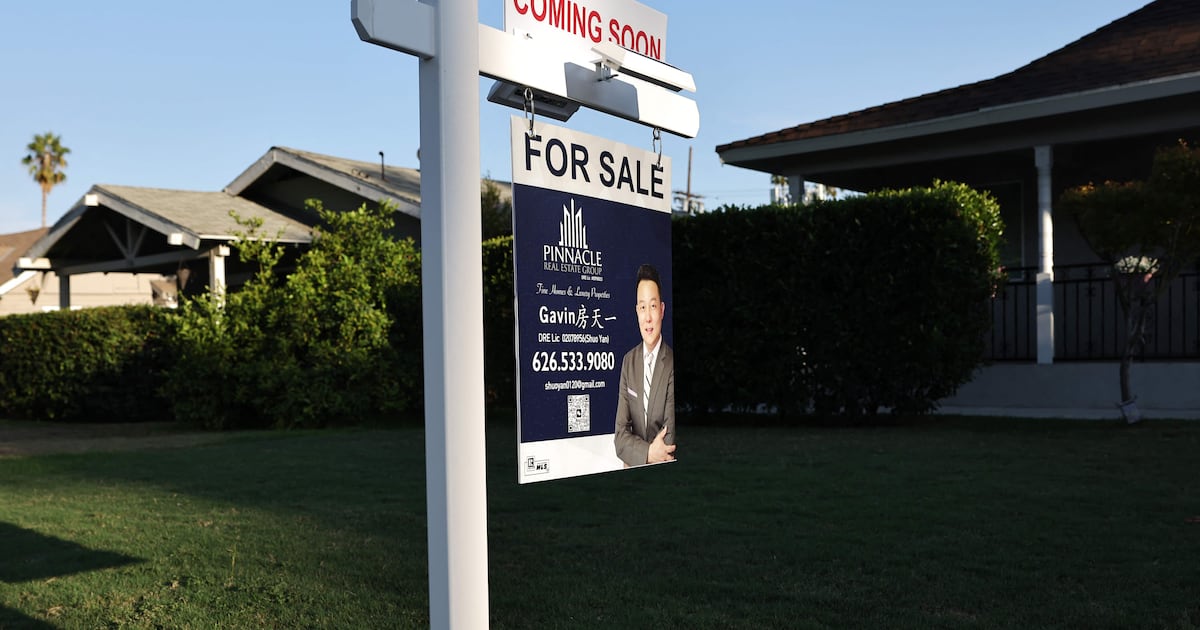
Former President Trump reportedly plans to declare a national emergency to address the housing crisis, a significant move anticipated ahead of the 2026 elections. This initiative, if enacted, could profoundly impact the real estate sector and related industries, potentially altering housing policy and market dynamics.
A report that former President Trump plans to declare a national emergency to address the housing crisis introduces significant policy uncertainty for the U.S. real estate sector. Timed as a potential platform for the 2026 elections, such a declaration would grant the executive branch broad powers, potentially bypassing conventional legislative processes to implement sweeping changes. The market's reaction, characterized by a mildly negative sentiment and uncertain tone, reflects apprehension over the unpredictable nature and scope of such a policy. The high market impact score of 0.6 underscores the potential for profound disruption to housing market dynamics, affecting homebuilders, mortgage lenders, and related industries. Without specific details on the proposed measures, the key takeaway for investors is the introduction of a major political and regulatory risk factor into the outlook for the entire housing ecosystem.
AI-powered research, real-time alerts, and portfolio analytics for institutional investors.
Request DemoOverall Sentiment
mildly negative
Sentiment Score
-0.30
