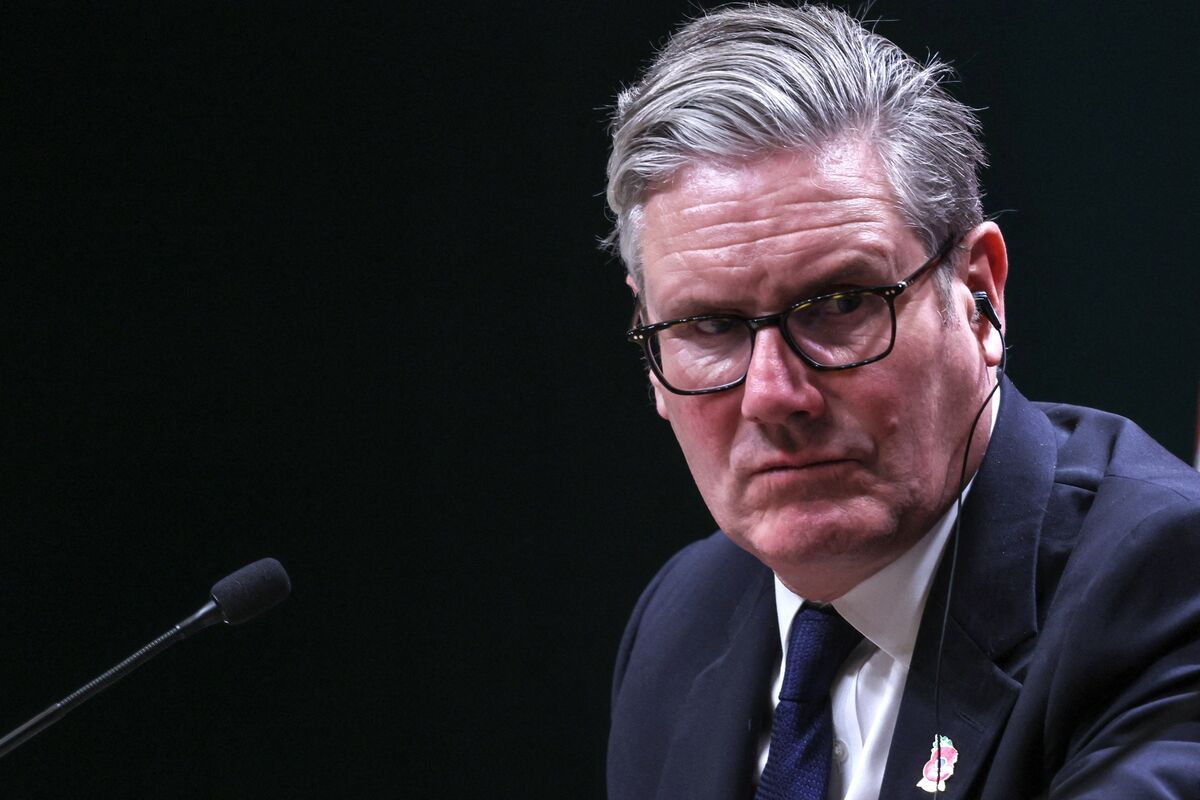
The UK rebuffed the EU’s request that it pay €2 billion ($2.3bn) to join the bloc’s defence fund, after the EU revised down an initial ask of up to €6.75 billion, heightening pressure for a last‑minute agreement at this weekend’s G20 summit. The standoff complicates efforts to secure UK participation in European defence procurement and may force political and financial concessions as leaders seek a compromise.
The UK rejected the EU's request to pay €2 billion ($2.3bn) to join the bloc's defence fund after the EU revised down an initial demand of up to €6.75 billion, a stance disclosed on Friday. That rebuff heightens pressure on leaders to secure a last-minute compromise at this weekend's G20 meeting, making the summit the immediate political catalyst.
The refusal directly jeopardises UK participation in joint European defence procurement and raises the prospect of political or financial concessions to restore access; absent an agreement, procurement coordination risks fragmentation, programme delays and higher unit costs. These dynamics are relevant to the broader Infrastructure & Defence theme and could influence budget allocations and industrial collaboration across the EU and UK.
Market indicators show mildly negative sentiment (sentiment_score -0.25, tone "uncertain") while a market_impact_score of 0.25 implies limited immediate market movement but elevated political risk. Investors should treat G20 developments as the decisive near-term event that will clarify whether this is a contained diplomatic impasse or a material disruption to European defence cooperation.
AI-powered research, real-time alerts, and portfolio analytics for institutional investors.
Request DemoOverall Sentiment
mildly negative
Sentiment Score
-0.25
