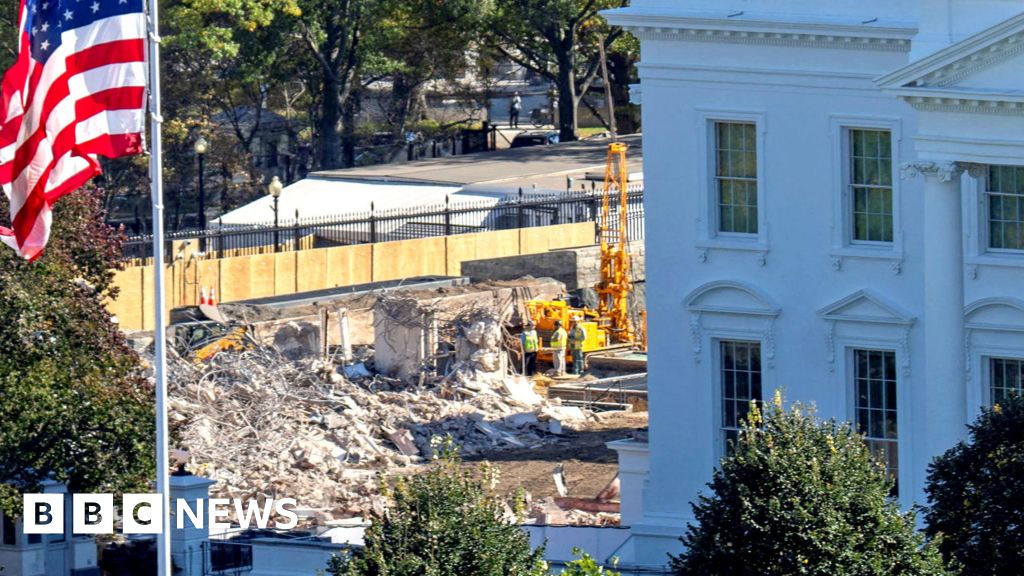
The National Trust for Historic Preservation has sued the White House in federal court to halt construction of President Trump’s new ballroom, alleging the administration demolished the East Wing in October and proceeded without required reviews—filings with the National Capital Planning Commission, an environmental assessment, a public-comment period and Congressional authorization—and asserting the action violates the Constitution. The White House says the privately funded project is a lawful modernization, even as plans have grown from a 500‑person ballroom to seating for 1,350, construction equipment and a crane are on site, and the lead architect was recently replaced. The suit, the first major legal challenge to the project, seeks an injunction that could pause work and raise broader questions about executive authority and historic-preservation oversight.
The National Trust for Historic Preservation filed suit in federal court seeking to halt construction of President Trump’s new White House ballroom, alleging the East Wing was demolished in October without required reviews or approvals. The complaint cites failures to file plans with the National Capital Planning Commission, to conduct an environmental assessment, to hold a public-comment period, and to obtain Congressional authorization, and it asserts a constitutional overreach regarding Congressional control of federal property.
The White House maintains the project is a lawful modernization paid for by private donors and has defended presidential authority to renovate the residence; project scope has grown from a 500‑person to a 1,350‑person capacity, a crane and heavy equipment are on site, and the lead architect was recently replaced. The lawsuit represents the first major legal challenge and requests an injunction that could pause work and force a retroactive review process.
Given the story’s legal/regulatory nature and the provided market signal (moderately negative sentiment, market impact score 0.12, no listed tickers), direct financial market disruption appears limited near term, but the case creates execution, timing and reputational risks for the project and could establish precedent on federal project oversight. Investors should watch court filings, NCPC and Congressional responses, and construction milestones for indications of delays or cost escalation.
AI-powered research, real-time alerts, and portfolio analytics for institutional investors.
Request DemoOverall Sentiment
moderately negative
Sentiment Score
-0.40
