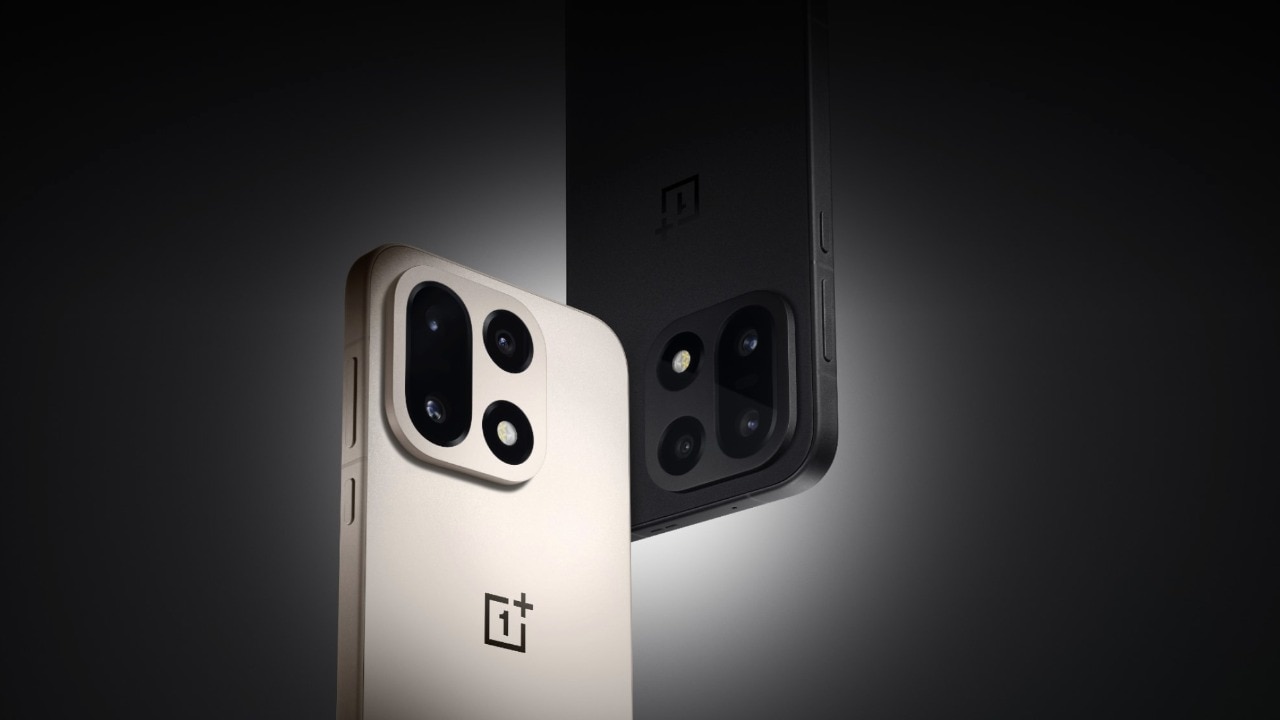
OnePlus 16 leaks indicate a 200MP rear camera (likely Samsung HP5), Snapdragon 8 Elite Gen 6 Pro chipset, and an expected China launch in October with global rollout in November. Key specs cited: ~9,000mAh “Glacier Battery” vs 7,300mAh prior, 1.5K display up to 200Hz (vs 165Hz), sub-1mm bezels (vs 1.15mm), and price around CNY 5,000 (~Rs 67,600). Details remain unconfirmed and framed as leaks; price pressure is attributed to a memory-chip shortage, so treat as speculative intelligence rather than firm guidance.
This leak pushes the market to price a step-function of hardware differentiation into a crowded flagship segment; the key second-order winner is the silicon and memory vendor ecosystem that captures incremental ASP rather than the OEM itself. Design wins on bleeding-edge process nodes and next-gen RAM materially extend revenue visibility for chipset vendors over 6–18 months, but they also concentrate execution risk around yield and supply constraints that can compress rev recognition into lumpy quarters.
Consumer reaction will be determined less by headline specs and more by perceived utility and ecosystem fit — battery and thermal tradeoffs, software harmonization, and carrier/regulatory acceptance in non-China markets will drive volume outcomes over the next 3–9 months. If upgrade intent is elastic at the current price point, ASP gains could be neutralized by slower sell-through; conversely, sustained component shortages would preserve OEM pricing power but raise channel inventory cycles.
For investors, the highest-probability near-term catalysts are launch events and subsequent professional reviews (week 0–8) and inventory updates at 1–2 quarter cadence; longer-term valuation re-rating hinges on whether design wins translate into repeatable margins rather than one-off spec demos. Monitor early teardown supply-chain signals (component SKUs, vendor serial numbers) and regional pre-order cadence as leading indicators for revenue and margin beats versus consensus.
AI-powered research, real-time alerts, and portfolio analytics for institutional investors.
Overall Sentiment
neutral
Sentiment Score
0.00
Ticker Sentiment
