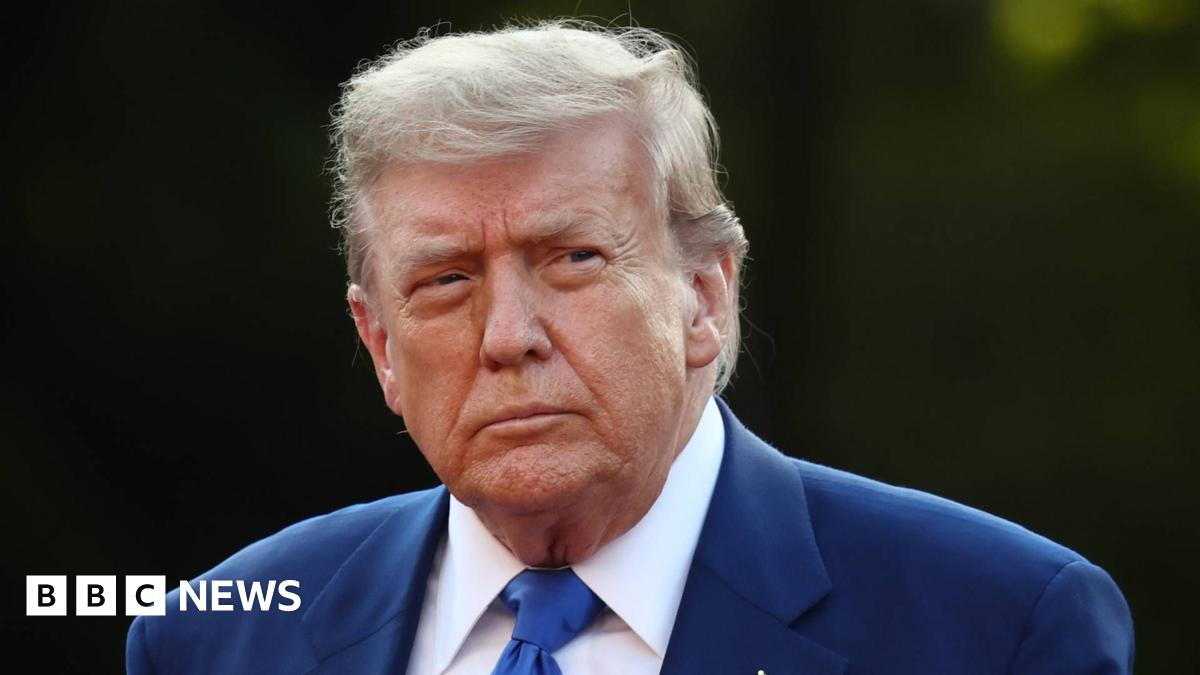
A former Pentagon official has criticized the leak of a classified intelligence report concerning damage to Iran's nuclear program, citing risks to human sources and highlighting significant discrepancies between prior assessments, current White House claims of 'obliteration,' and the report's less confident findings. This inconsistency in intelligence regarding Iran's nuclear capabilities raises geopolitical uncertainty, with the official further suggesting the possibility of additional U.S. strikes to prevent Iran from acquiring nuclear weapons.
A significant discrepancy in intelligence assessments regarding the extent of damage to Iran's nuclear program introduces considerable geopolitical uncertainty. A former Pentagon official highlights a direct conflict between previous intelligence, which suggested strikes would set back the program by years, and a newly leaked report described as "much less confident." This contrasts sharply with the White House's more definitive claim that the facilities were "obliterated." This intelligence divergence implies that the foundational analysis of regional stability is unreliable, a conclusion underscored by the uncertain tone signal. Furthermore, the official's assertion that Iran "cannot have a nuclear weapon" and the explicit mention of potential "additional strikes" elevates the risk of future military engagement, moving beyond a post-mortem of past actions to a forward-looking threat of escalation.
AI-powered research, real-time alerts, and portfolio analytics for institutional investors.
Request DemoOverall Sentiment
moderately negative
Sentiment Score
-0.40
