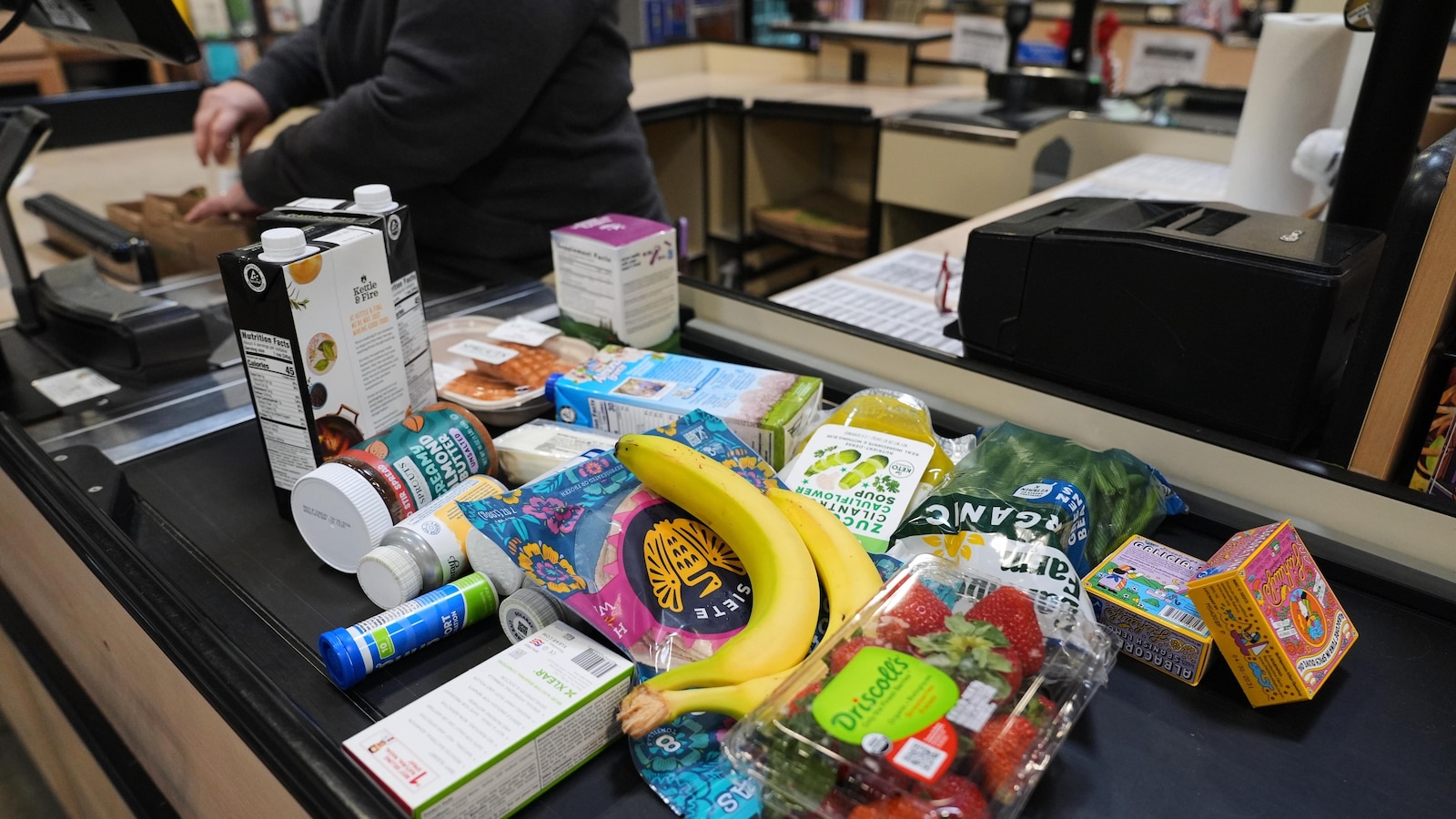
The U.S. Supreme Court is set to rule on the Trump administration's request to block lower-court orders mandating full Supplemental Nutrition Assistance Program (SNAP) payments, which were curtailed due to the government shutdown. This legal dispute, initiated by the administration's decision to cease SNAP funding after October, has led to inconsistent benefit distribution across states for 42 million Americans. While an appeals court recently ordered full funding to resume, the administration contends that courts should not reallocate resources, asserting that only Congress can resolve the crisis by reopening the government, a legislative deal for which is currently under consideration.
The U.S. Supreme Court is poised to rule on the Trump administration's request to halt lower-court orders mandating full Supplemental Nutrition Assistance Program (SNAP) payments, a situation stemming from the federal government shutdown. This legal dispute has led to a "moderately negative" sentiment and "uncertain" tone, directly impacting 42 million Americans, or 1 in 8, who rely on SNAP for groceries. The administration's decision to cut off SNAP funding after October has resulted in inconsistent benefit distribution, with some states receiving full payments while others have received partial or no benefits.
The administration contends that courts lack authority to reallocate resources, asserting that only Congress can resolve the crisis by reopening the government. This stance follows a series of "seesawing rulings," where judges initially mandated partial funding, then full funding, which the Supreme Court subsequently paused. Concurrently, the Senate has passed legislation to reopen the federal government and replenish SNAP funds, with the House now considering the deal, though President Trump's final decision remains uncertain despite his recent optimistic remarks.
The ongoing legal and legislative uncertainty creates significant financial pressure for beneficiaries, as exemplified by individuals like Jim Malliard, who faces severe hardship due to the lack of his $350 monthly SNAP payment. While the "market impact score" is moderately positive, possibly reflecting anticipation of a broader government shutdown resolution, the immediate and direct impact on consumer spending power for a significant portion of the population remains a critical concern. The varying state-level responses further complicate the situation, highlighting systemic vulnerabilities in federal program delivery during political impasses.
AI-powered research, real-time alerts, and portfolio analytics for institutional investors.
Request DemoOverall Sentiment
moderately negative
Sentiment Score
-0.50
