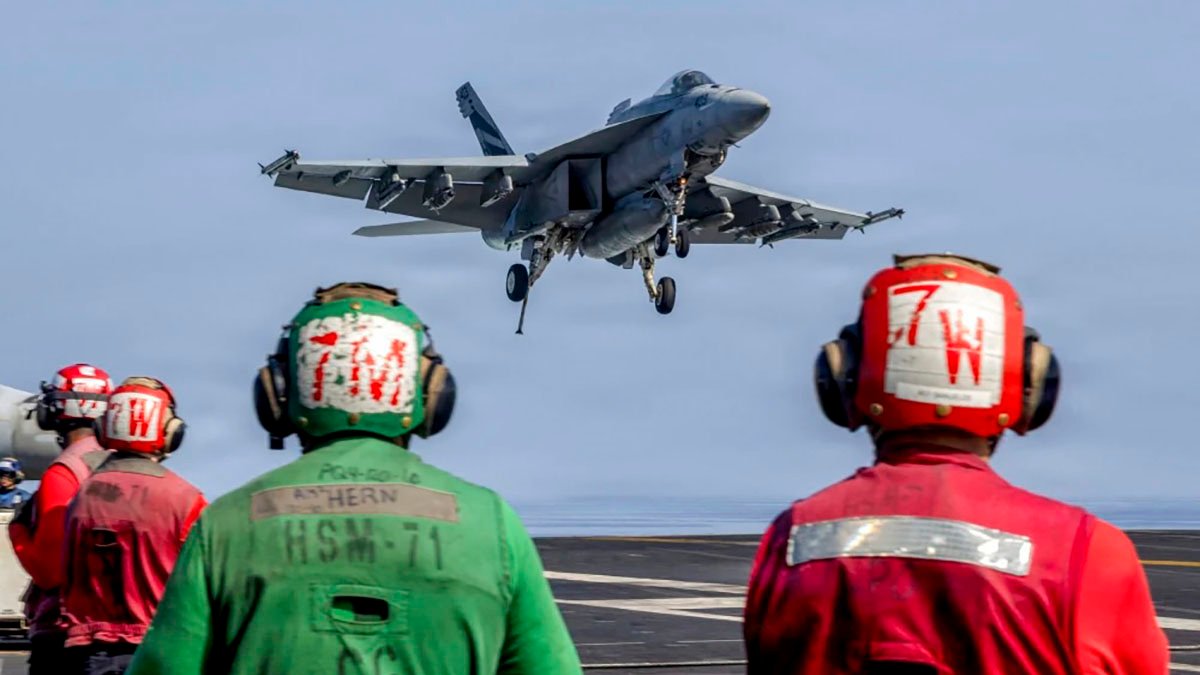
The U.S. plans to begin a naval blockade of Iranian maritime traffic entering and exiting ports on April 13 at 10 a.m. ET after peace talks failed, raising the risk of a broader escalation around the Strait of Hormuz, which carries roughly 20% of global oil flows. Iran warned that any military presence near the waterway would violate the ceasefire, intensifying concerns over energy supply disruption and shipping disruption. Congress is set for key votes on war funding and oversight this week, adding another layer of policy uncertainty.
The market is underpricing how quickly a maritime chokepoint can transmit from headline risk into real inflation and margin stress. Even without a full closure, any credible enforcement action near Hormuz tends to raise tanker insurance, reroute vessels, and create a self-reinforcing liquidity squeeze in seaborne energy flows; the first-order move is crude, but the second-order move is diesel, jet, and petrochemicals, which hits transport and industrial margins within days to weeks.
The more interesting trade is that this is not just an oil-beta event; it is a dispersion event across the energy complex and the broader inflation basket. Integrated majors and LNG-linked names gain optionality from higher realized prices and tighter differentials, while airlines, parcel/logistics, and chemical producers absorb the input-cost shock before they can pass it through. If the blockade rhetoric persists for more than a few sessions, expect freight rates, product crack spreads, and defense procurement expectations to move in tandem, with the biggest losers being the “low pricing power” sectors most exposed to fuel and supply-chain disruption.
Politically, Congress returning creates a new catalyst window: legislative noise can either constrain escalation or legitimize it, and that ambiguity keeps vol bid. The key reversal risk is a quick de-escalation announcement or evidence that enforcement is narrower than feared; absent that, the base case is a multi-week risk premium rather than a one-day spike. Consensus is likely overfocused on the spot oil move and underfocused on the lagged pass-through into consumer inflation expectations, which can pressure rate-cut odds and support the dollar even if equities initially stabilize.
AI-powered research, real-time alerts, and portfolio analytics for institutional investors.
Request DemoOverall Sentiment
strongly negative
Sentiment Score
-0.55
