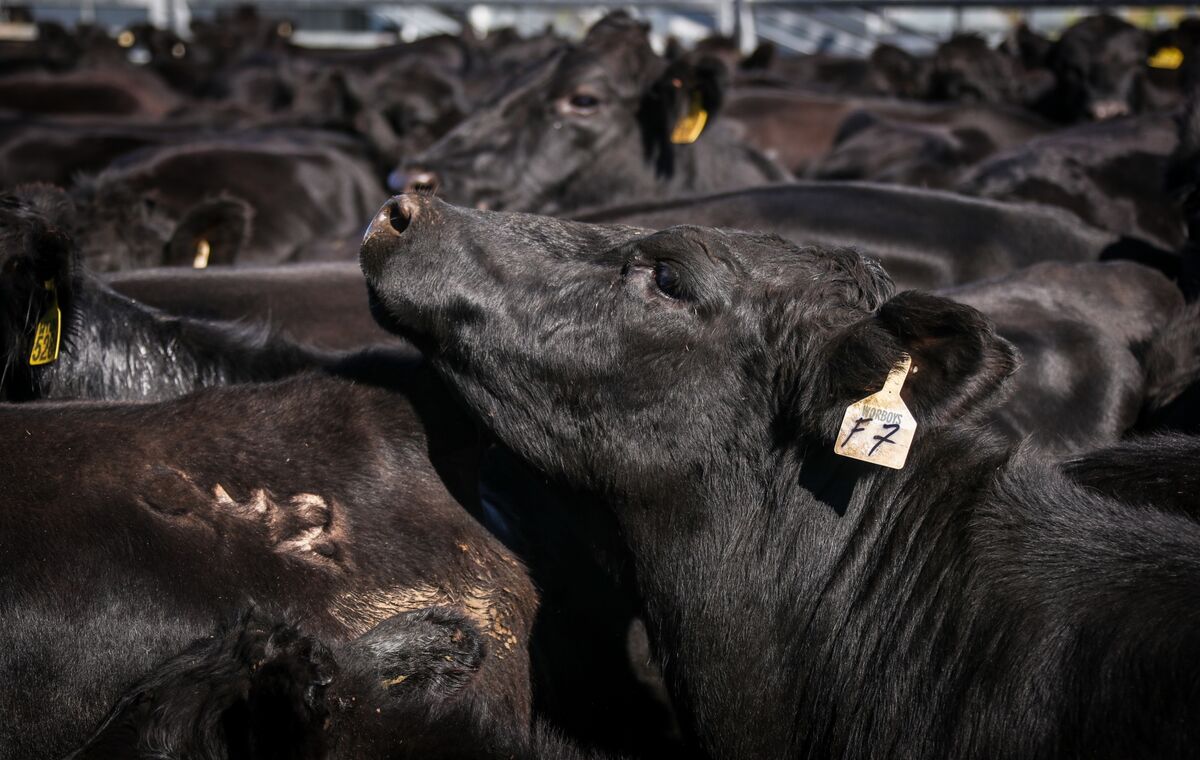
Australia has lifted its two-decade-old ban on US beef, officially citing the completion of a long evaluation process. However, the move is also widely perceived as a strategic effort to appease the US and potentially mitigate the impact of ongoing tariff disputes. This decision is expected to have significant implications for local Australian beef producers and the broader agricultural sector.
Australia's decision to lift its two-decade-old ban on US beef imports introduces a significant new dynamic to its domestic agricultural market. While the official government stance frames this as the conclusion of a lengthy evaluation, the timing suggests a strategic geopolitical maneuver aimed at appeasing the US and mitigating risks associated with ongoing global trade disputes, particularly potential tariffs. The re-entry of US beef is poised to increase domestic supply, which will likely exert competitive pressure on local Australian producers who have operated in a protected market. This development occurs against a backdrop of rising meat prices and broader inflation concerns, implying the policy could also serve a secondary purpose of tempering food inflation for Australian consumers. The overall impact is therefore multifaceted, involving a complex interplay between international trade diplomacy, domestic industry protection, and macroeconomic inflation management.
AI-powered research, real-time alerts, and portfolio analytics for institutional investors.
Request DemoOverall Sentiment
neutral
Sentiment Score
0.00
