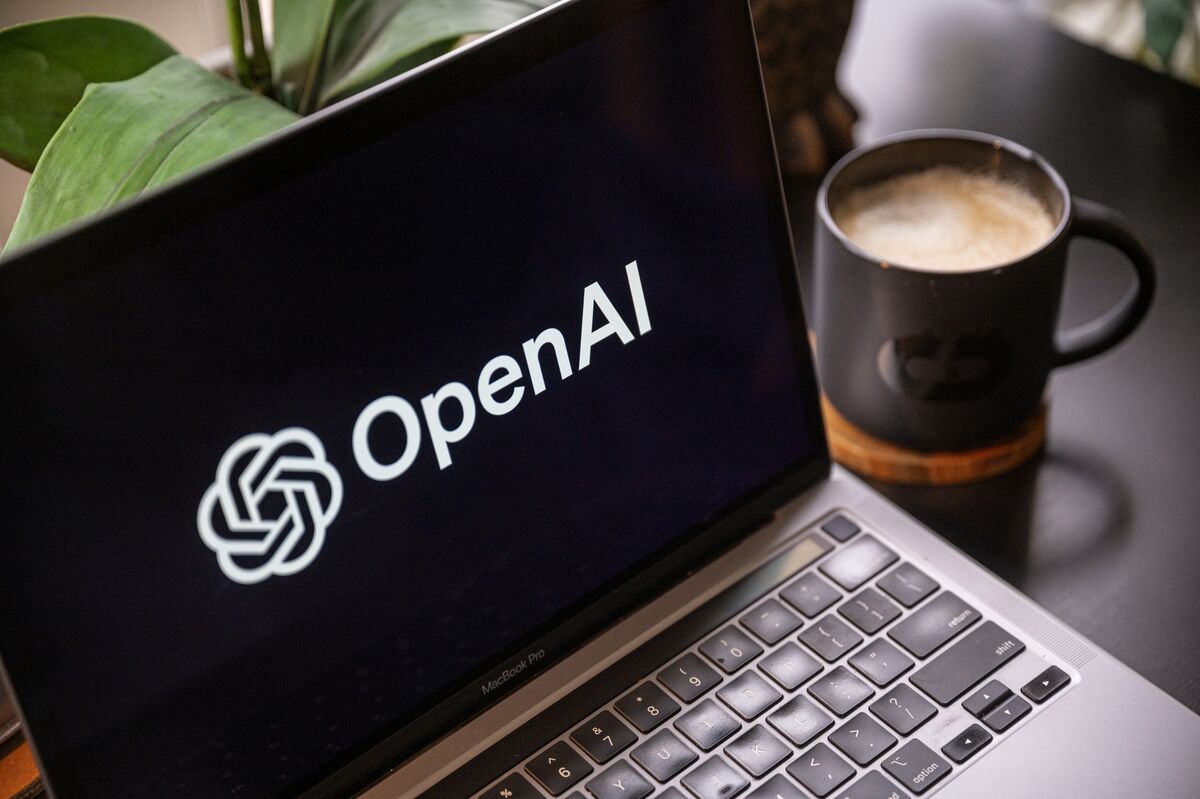
OpenAI is set to raise about $10 billion from MGX, Coatue Management and Thrive Capital (with Altimeter also planning to invest), bringing the total from its latest funding round to roughly $120 billion at a reported $730 billion valuation (excluding the new capital). The deal underscores strong investor demand for AI assets, materially increases OpenAI's cash base and implied valuation, and reinforces positive sentiment across the AI/tech funding ecosystem.
This tranche of deep-pocket capital materially shifts the marginal economics of the AI compute stack: more committed dollars into one premier model operator raises near-term demand for datacenter racks, high-end GPUs, and premium cloud capacity more than headline training throughput numbers imply. Expect a concentrated, lumpy step-up in orders for silicon and power capacity over 6–18 months that favors dominant GPU suppliers and hyperscalers with preferred pricing/placement rather than a broad-based software winners’ rally.
At the private-markets level, the round further stretches late-stage benchmarks and compresses expected VC entry returns — forcing LPs to chase fewer large, de-risked opportunities and increasing secondary-market dryness for smaller founders. That concentration increases systemic exposure: a single operational setback (cost blowout, regulatory constraint, or model error) will cascade valuations across late-stage portfolios more sharply than in a diversified primary market.
Key downside catalysts are export controls on advanced accelerators, a sustained drop in GPU pricing (which would collapse rent-seeking margins for the model operator), or a regulatory regime that treats foundation models as regulated utilities — any of which could re-rate multipliers on both infra and model owners within 3–12 months. Watch order flows for datacenter chassis and multi-quarter guidance from chipmakers as leading indicators — they’ll lead revenue reacceleration by 2–3 quarters.
Tactically, the market is bifurcating: concentrated infra and hyperscaler exposure looks underpriced relative to headline AI-app and thematic ETFs that have already run. That asymmetry supports convex, capped-bet option structures on core infra names and small, event-driven equity exposure to the strategic investors participating in the syndicates, while maintaining protection against a policy shock or a sharp GPU supply normalization.
AI-powered research, real-time alerts, and portfolio analytics for institutional investors.
Request DemoOverall Sentiment
strongly positive
Sentiment Score
0.75
Ticker Sentiment
