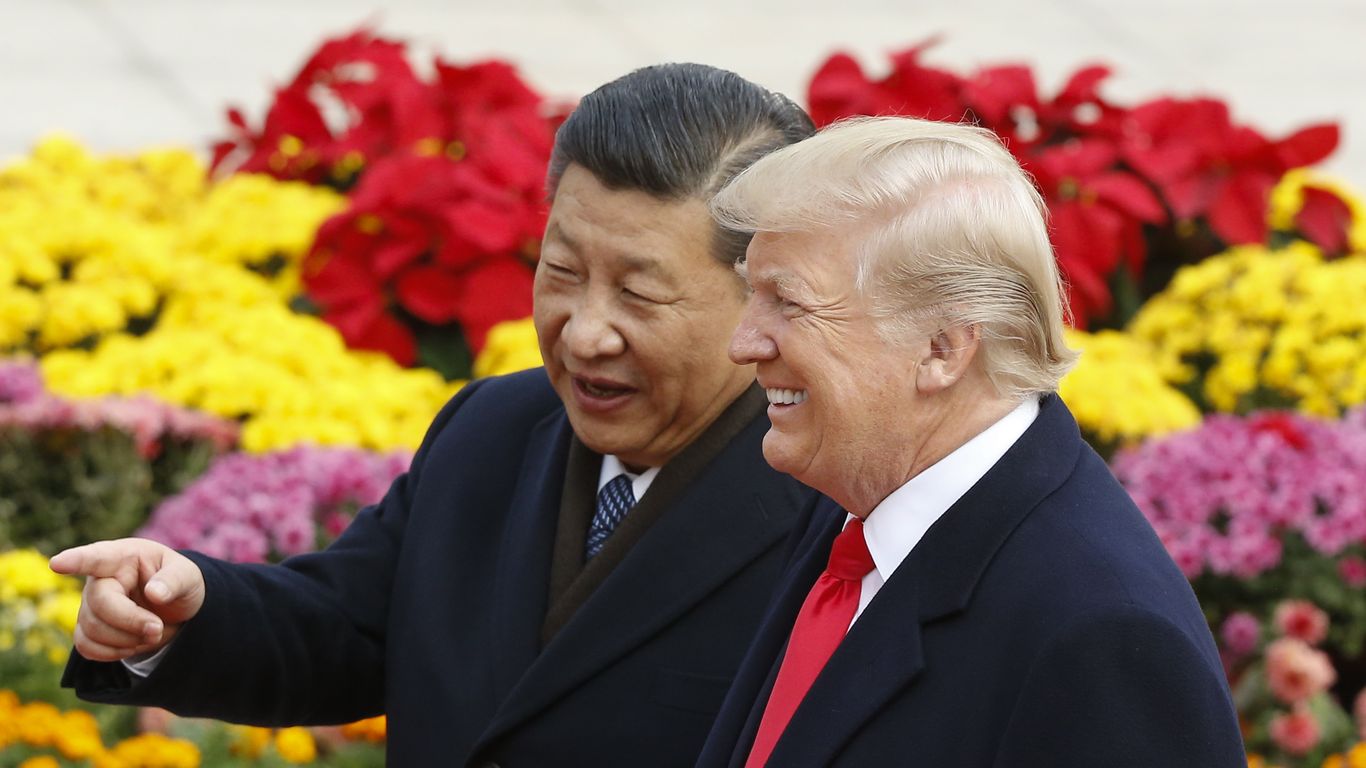
The U.S. and China have extended their tariff truce for an additional 90 days, narrowly avoiding its expiration. This extension, signed by President Trump, defers a major uncertainty for U.S. businesses and investors regarding future trade relations with China. The original truce had significantly reduced U.S. tariffs on Chinese goods from 145% to 30% and reinstated the flow of crucial rare earth minerals.
The last-minute 90-day extension of the U.S.-China tariff truce provides temporary, albeit significant, relief for markets by averting an immediate escalation of trade hostilities. This development postpones a major source of uncertainty for U.S. investors and businesses, specifically by maintaining the reduced tariff rate on Chinese goods at 30%, down from a potential 145%, and ensuring the continued flow of crucial rare earth minerals from China. The extension, which follows a series of negotiations in Sweden, Geneva, and London, underscores an ongoing but fragile diplomatic process. While the overall sentiment is moderately positive due to the avoidance of a negative catalyst, the fact that this is another short-term fix rather than a permanent resolution indicates that underlying geopolitical and economic tensions persist, making the trade environment predictably unpredictable for the next quarter.
AI-powered research, real-time alerts, and portfolio analytics for institutional investors.
Request DemoOverall Sentiment
moderately positive
Sentiment Score
0.45
