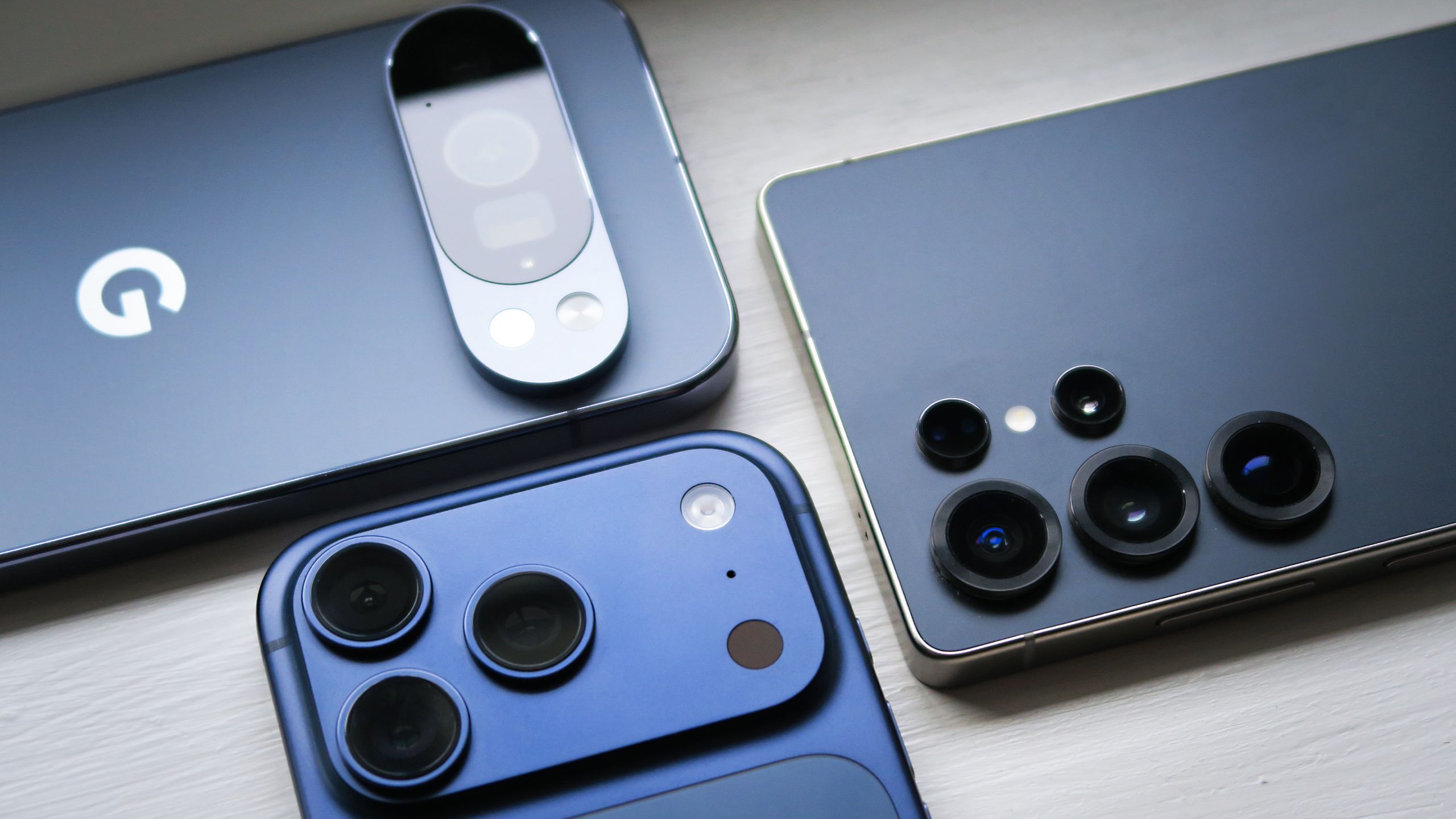
Smartphone innovation has plateaued, with flagship updates increasingly iterative across major vendors such as Apple and Samsung, while smaller players like Nothing are praised for a more selective product cadence. Nothing CEO Carl Pei announced the company will skip a Phone 4 this year, framing the decision as both consumer- and environment-friendly and criticizing annual churn driven by shareholder expectations; the shift could modestly influence corporate product strategy and ESG positioning but is unlikely to move near-term revenues for large incumbents.
Market structure: Slower upgrade cycles mean incumbents with diversified revenue (services/ads) gain pricing power while downstream hardware suppliers lose volumetric leverage. Winners: Alphabet (GOOG/GOOGL) and software/services players that monetize longer device lifetimes; Losers: mobile component suppliers (QCOM, CRUS) and OEMs whose margins rely on annual hardware refreshes. Supply/demand: expect a 5–10% annualized decline in flagship component demand over 12–24 months if replacement cadence extends beyond 3 years, pressuring inventory and bookings. Cross-asset: modest downward pressure on cyclical credit spreads in suppliers, small negative impulse on AUD/SEK vs USD if smartphone-driven commodity demand softens, and option skews widen for AAPL around product cycles.
Risk assessment: Tail risks include abrupt product-cycle suspension (e.g., Apple skipping a year) causing a 3–7% revenue hit in a quarter and regulatory moves on planned obsolescence or right-to-repair raising costs; also supply-chain shocks (China export curbs) could flip impacts. Time horizons: immediate (days) for volatility around launch rumors, short-term (weeks–months) for inventory repricing, long-term (quarters–years) for structural slower replacement rates and ESG-driven product cadence changes. Hidden dependencies: services revenue insulation (AAPL/GOOG) masks hardware weakness, and Chinese OEMs' share gains can be limited by software/service access. Catalysts to watch: handset sell-through data, carrier order changes, supplier revenue guides over next 60–90 days.
Trade implications: Favor long exposure to Alphabet (GOOG) as a relative winner and defensive long-duration tech; trim/mobile-supplier cyclicals like Qualcomm and Cirrus Logic by 20–40% in near term. Implement pair trades: long GOOGL, short AAPL to capture divergence in services resilience vs hardware slowdown. Options: use defined-risk structures — buy 3–9 month call spreads on GOOGL (10–20% OTM) and 1–3 month put spreads on AAPL (10% OTM) to exploit skew. Rotate portfolio modestly into software, cloud infra and away from pure-play mobile-component equities over the next 3–12 months.
Contrarian angles: The market underestimates the upside if a vendor (Samsung/Apple) launches a genuinely disruptive form factor (foldable tri-fold) — that could reset replacement cycles and reflate supplier demand by >10% within 12 months. Conversely, consensus may be underpricing the services buffer in AAPL; a single missed hardware cycle may not translate to proportional EPS downside given 60–70% gross-margin services growth. Unintended consequence: ESG-driven slower cadences could compress capex in fabs then lead to constrained supply for non-phone semis, creating a medium-term commodity/price squeeze for chips.
AI-powered research, real-time alerts, and portfolio analytics for institutional investors.
Request DemoOverall Sentiment
neutral
Sentiment Score
-0.15
Ticker Sentiment
