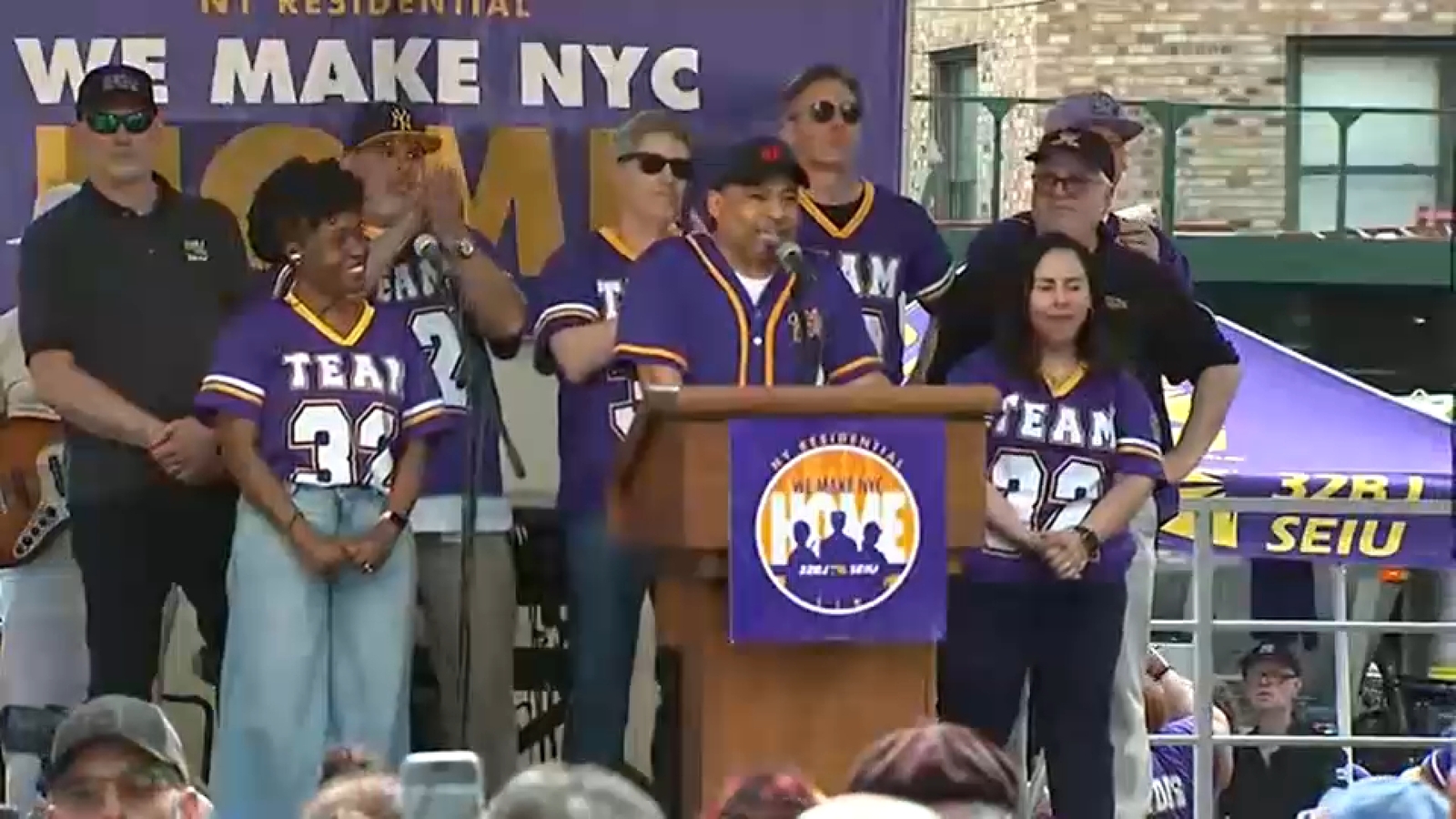
More than 34,000 New York City residential building workers have authorized a strike that could begin as soon as next Tuesday, potentially affecting more than 1.5 million residents across thousands of buildings. The dispute centers on wages, healthcare costs, and the sustainability of current labor terms, with building owners pushing back against the union's demands and the mayor's proposed rent freeze adding to tensions. The last strike in 1991 lasted 12 days, highlighting the risk of near-term disruption in the city’s housing and real estate operations.
The market impact is less about the immediate inconvenience and more about the option value embedded in a labor shutdown: even a short strike can force landlords to absorb operating costs while temporarily impairing rent collection, move-ins, amenity usage, and routine maintenance across a dense, high-occupancy asset class. That creates a near-term cash-flow asymmetry for owners of rent-regulated and older co-op/condo-heavy portfolios, where wage and healthcare inflation is harder to pass through and refinancing already depends on stable NOI. The second-order effect is that even buildings not directly involved may raise reserve spending and defer nonessential capital projects to protect liquidity.
The most vulnerable public-market exposure is not obvious “office” but housing-linked cash flows with high labor intensity and weak pricing power: apartment REITs, multifamily operators with New York concentration, and adjacent service providers whose contract renewals depend on building owner margin. A strike also raises the probability of political interference; if the labor action becomes visible and disruptive, pressure for a mediated deal or housing-policy concessions can intensify quickly, which limits the duration of any negative earnings impact to days or weeks rather than quarters. The real tail risk is reputational spillover into 2026 rent-regulation and labor negotiations, which could keep wage expectations sticky and preserve higher operating expense run-rates.
Consensus may be underestimating how binary the setup is: either a fast deal preserves the status quo, or a strike creates a temporary but sharp deterioration in urban-residential service quality that can briefly hit leasing velocity, tenant satisfaction, and transaction activity. Because the event is centered in Manhattan and affluent neighborhoods, the wealth effect and political sensitivity are outsized relative to the economic duration of the disruption. That makes this more attractive as a tactical volatility trade than a directional macro short.
The cleanest expression is to buy short-dated downside protection on New York-exposed housing names into the strike window and monetize any resolution rally. If there is a settlement headline, the upside in the most affected REITs should be mechanically fast because the market will fade the labor overhang; if the strike occurs, downside should be contained by the expectation of a short duration. The opportunity is in timing, not in a large structural bear thesis.
AI-powered research, real-time alerts, and portfolio analytics for institutional investors.
Request TrialOverall Sentiment
mildly negative
Sentiment Score
-0.25
