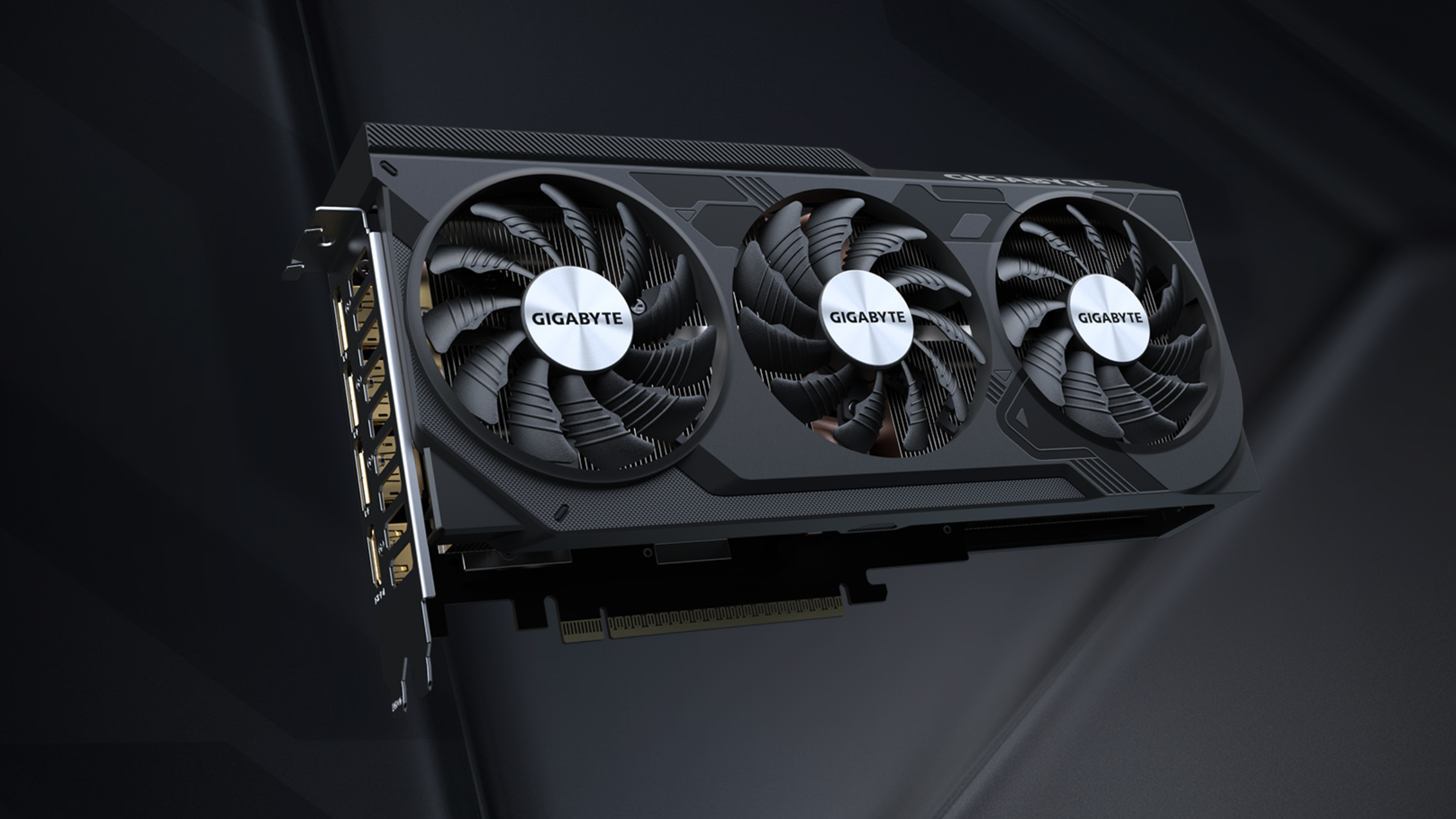
A European retailer reports supplier-imposed limits of five units on Nvidia RTX 5070 cards and an unavailability of RTX 5070 Ti and higher SKUs amid a global memory and NAND shortage driven by AI infrastructure demand. Spot 16GB DDR5 prices surged ~450% in the last quarter of 2025 and NAND prices rose ~246% year-on-year, forcing Nvidia to stop supplying VRAM to board partners and prompting Japanese retailers to ration 16GB+ GPUs and halt some PC orders into 2026. The bottleneck risks constraining GPU availability, lifting street prices and squeezing OEM margins until memory supply normalizes or new fab capacity comes online.
Market structure: Memory and GDDR7 suppliers (Micron MU, Samsung SSNLF/000660.KS, SK Hynix HXSCL/000660.KS) and secondary marketplaces (eBay EBAY) are the tactical winners because spot DDR5/GDDR7 spiked 246–450% recently, shifting pricing power from GPU board partners to memory vendors. High-end GPU board-makers and consumer retail (gaming-focused channels) are losers as manufacturers must source expensive VRAM, compressing gross margins for 16GB+ cards and forcing rationing that will lift secondary-market pricing near term.
Risk assessment: Tail risks include rapid fab capacity expansion (Micron/Samsung capex announcements) that could flood supply and collapse prices within 9–18 months, or regulatory/export controls on memory/GPU sales that amplify shortages. Immediate (days) risk is volatile secondary-market spikes; short-term (weeks–months) risk is earnings/guide-down for AIBs and retailers around early-2026 inventory cuts; long-term (quarters–years) depends on announced fabs and lead times (12–36 months).
Trade implications: Favor semiconductor memory exposure and fee-based marketplaces while de-emphasizing consumer gaming hardware. Expect higher implied vol in NVDA/AMD around Nvidia’s early-2026 production guidance — use 3–12 month options to express views and size positions to 1–3% of portfolio to limit idiosyncratic risk. Monitor DDR5/GDDR7 spot indices and NVDA supply statements as primary triggers.
Contrarian angles: The market may over-penalize NVDA’s long-term thesis — datacenter demand can offset gaming cuts and support margins; conversely memory makers may already have the rally priced in, so upside is conditional on sustained 200%+ price realizations. Historical NAND/DRAM cycles normalized after 12–24 months post-capex, so position sizing and explicit exit triggers are critical.
AI-powered research, real-time alerts, and portfolio analytics for institutional investors.
Request DemoOverall Sentiment
moderately negative
Sentiment Score
-0.60
Ticker Sentiment
