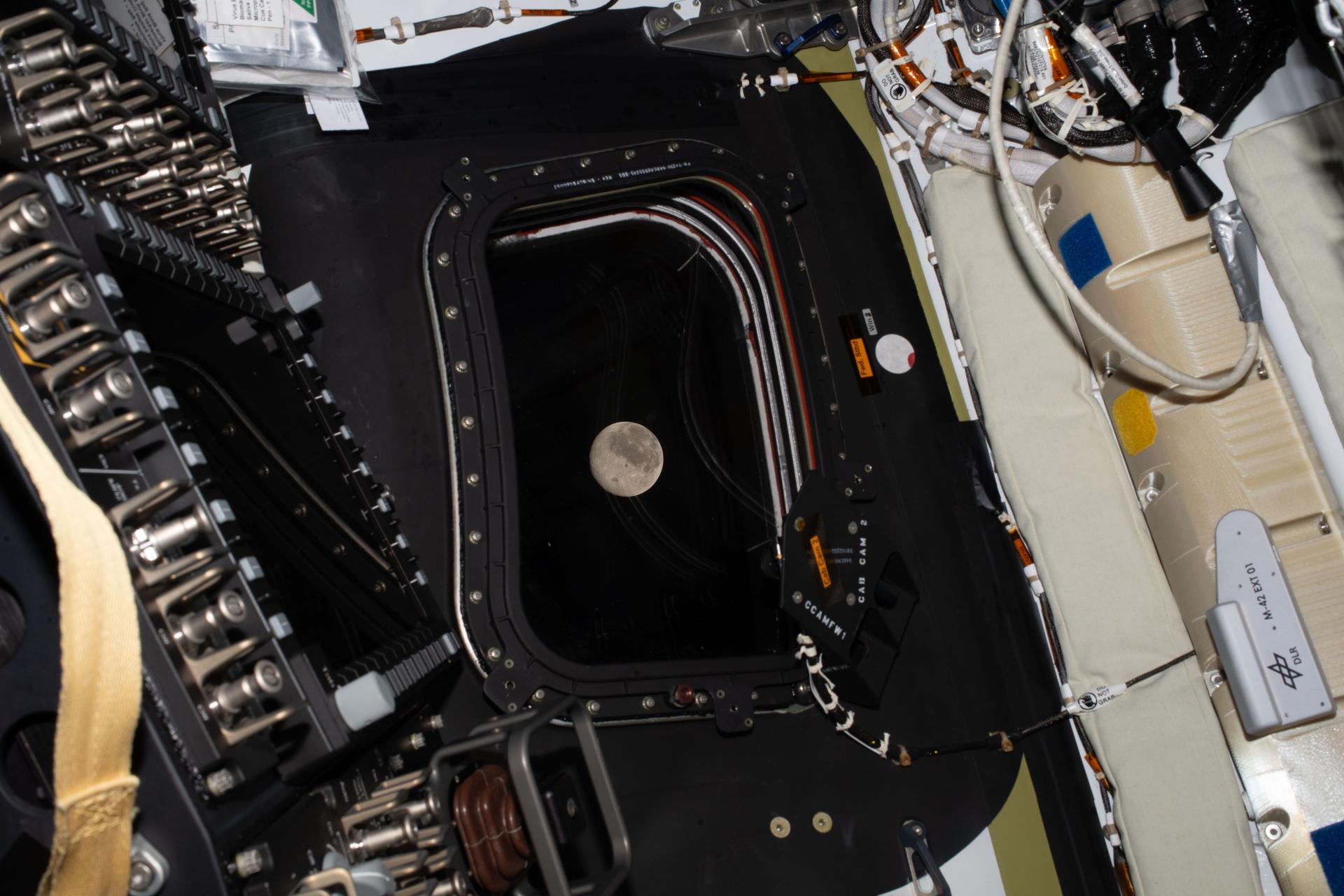
Artemis II will reach a mission high of ~252,760 miles from Earth at ~7:07 p.m., surpassing Apollo 13’s 248,655-mile record (surpass expected ~1:56 p.m.). Lunar observations begin ~2:45 p.m.; Orion’s closest approach will be ~4,070 miles above the surface at ~7:02 p.m., followed by a planned ~40-minute communications blackout starting ~6:44 p.m. The crew will also witness a solar eclipse from ~8:35–9:32 p.m.; live coverage is available across multiple streaming platforms.
A high-visibility, mission-driven live event functions more like a concentrated advertising campaign for platform distribution and edge-delivery economics than a traditional content release. Expect a measurable, short-duration spike in active viewing hours and ad impressions on ad-supported platforms; if ad RPMs lift 15–30% intra-day and retention conversion sustains even 1–2% of incremental viewers for a month, that produces a visible bump to quarterly platform revenue for ad-native businesses and could skew beat/miss outcomes for quarterlies in the next 30–90 days.
Separately, attention on deep-space comms and live telemetry highlights persistent underinvestment in ground-station capacity, bandwidth resilience, and optical-space links — areas where a handful of providers capture outsized margins when programs scale. Procurement cycles here operate on 6–36 month timelines: positive RFP outcomes and follow-on service contracts are the primary drivers of durable revenue, so look for orderflow signals and award announcements rather than viewership metrics to move supply-side names materially.
Primary risks are asymmetric and event-conditional. A poor live-experience (low-res feeds, blackouts perceived as avoidable) compresses short-term engagement and can cause negative PR that flows into advertising CPMs and device sales momentum; conversely, a viral visual or clip can extend the halo for multiple quarters through subscriber acquisition and increased content investment. Tail outcomes (an anomaly or hardware failure) would shift institutional budgets away from commercial partners and re-rate exposed suppliers; monitor communications uptime, CDN telemetry spikes, and ad-RPM prints as the earliest real-time indicators.
AI-powered research, real-time alerts, and portfolio analytics for institutional investors.
Request DemoOverall Sentiment
neutral
Sentiment Score
0.00
Ticker Sentiment
