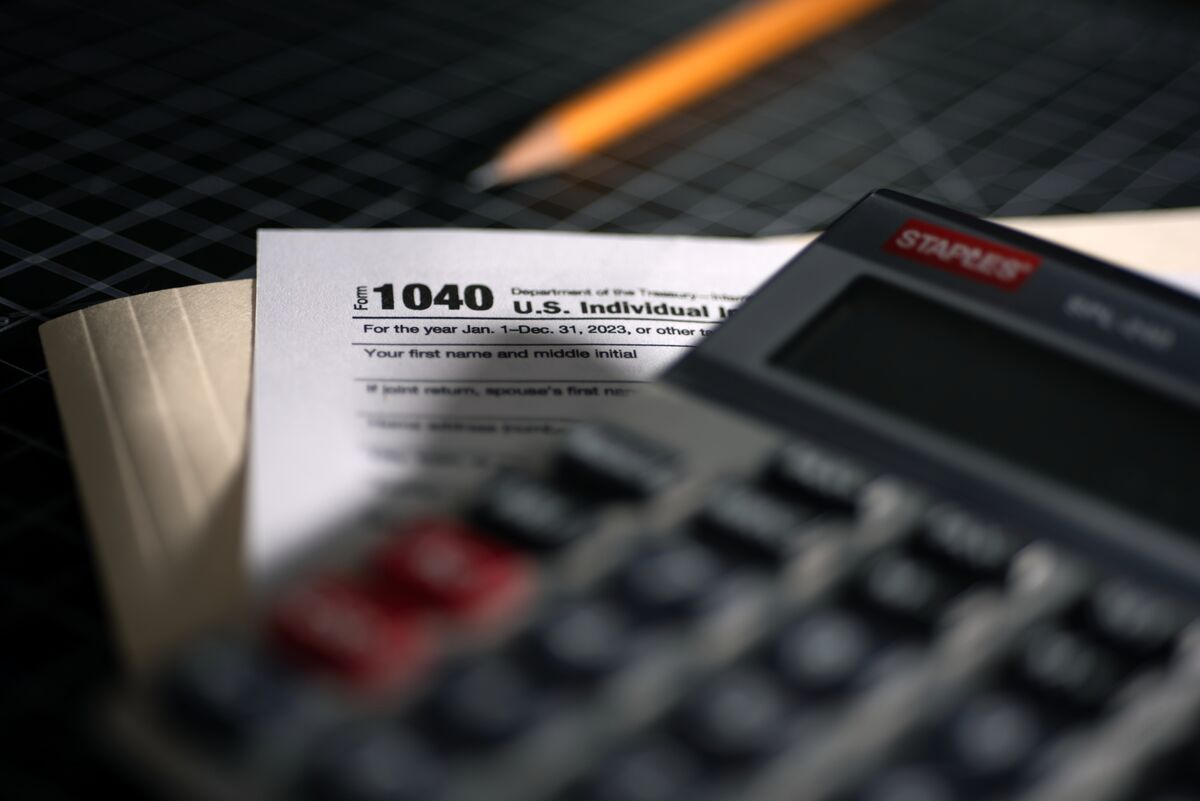
IRS data show the average tax refund is up nearly $350 year over year, helped by President Donald Trump’s tax law, but still well below the $1,000 boost he promised. Nearly 70% of taxpayers had received refunds through the start of the month, versus 67% at the same time last year. The article is primarily a policy-and-consumer-income update with limited direct market impact.
The market implication is less about the headline size of refunds and more about the timing mismatch: cash is arriving too late and too unevenly to change household behavior at scale. That limits the near-term impulse to discretionary spending, which is why the most exposed names are likely low-end consumer cyclicals that rely on a broad April/May spend bump rather than high-income tax planning benefits. The second-order winner is balance-sheet repair, not consumption — bigger refunds can reduce delinquency pressure on credit cards and BNPL, which is a quieter tailwind for consumer lenders and a modest headwind for fee-heavy card networks if revolvers come down.
The other important dynamic is political optionality. If households do not feel a meaningful benefit, the policy may be perceived as a pass-through to higher earners and small businesses, not a mass-market stimulus, which weakens the electoral halo and increases the odds of future tax-policy revisions or offsetting fiscal measures. That matters because the headline support to sentiment could fade over the next 1-2 quarters even if refund data stays strong, especially once consumers normalize after the filing window closes.
The contrarian view is that the consensus may be underestimating how little incremental spending power this creates after inflation and withholding adjustments. A few hundred dollars of average refund uplift is meaningful for cash management, but not enough to re-rate broad retail or leisure demand; the bigger market effect may show up in delinquency curves and deposit stability rather than point-of-sale growth. If that is right, the best expression is defensive within consumer credit, not bullish on discretionary beta.
AI-powered research, real-time alerts, and portfolio analytics for institutional investors.
Request TrialOverall Sentiment
neutral
Sentiment Score
0.05
